
In 2026, one herbal supplement has taken the wellness world by storm—berberine. Dubbed the "natural Ozempic," it’s being hailed as a game-changer for blood sugar, weight loss, and gut health. But is the hype real?
With a 120% year-over-year surge in searches, viral TikTok trends, and media coverage from Healthline to The Guardian, berberine is everywhere. Yet, amidst the buzz, questions linger: Does it work? Is it safe? And can it truly replace prescription medications like Ozempic or metformin?
This guide cuts through the noise. We’ll dive into the latest 2025–2026 research, explore berberine’s benefits and risks, compare it to other supplements and medications, and provide actionable advice on dosage, timing, and where to buy. Whether you’re a diabetic, weight-loss seeker, gut health enthusiast, or simply curious, this guide will help you decide if berberine is right for you.
For more on natural blood sugar support, see our guide to cinnamon and diabetes.
What Is Berberine? A Quick Primer
Berberine is a bioactive alkaloid compound found in several plants, including Berberis vulgaris (barberry), goldenseal, and tree turmeric. It’s been used for centuries in Traditional Chinese Medicine (TCM) and Ayurveda to treat infections, digestive issues, and inflammation. Today, it’s primarily taken as a berberine supplement in the form of capsules or tablets, with berberine HCl being the most studied and bioavailable form.
But what makes berberine so special? Unlike many herbal remedies, berberine has a growing body of modern scientific research backing its potential benefits for metabolic health, blood sugar control, and more.
Why Is Berberine Trending in 2026?
The "Natural Ozempic" Hype
Berberine’s rise to fame can be traced back to social media, where it’s been dubbed the "natural Ozempic." Influencers and wellness gurus on TikTok and Instagram claim it can mimic the effects of GLP-1 drugs like Ozempic and Wegovy—without the hefty price tag or prescription. With Ozempic costing $1,000+ per month, it’s no surprise that a $0.20–$0.50 per day alternative is turning heads.
Media outlets like Healthline, The Guardian, and WebMD have also jumped on the trend, publishing articles that explore berberine’s potential as a natural alternative for blood sugar and weight management. But is the hype justified? Let’s look at the science.
The Science Behind the Trend
Berberine’s popularity isn’t just based on anecdotes. Early 2026 studies suggest it may activate AMPK, an enzyme often referred to as the "metabolic master switch." AMPK plays a crucial role in regulating energy balance, glucose metabolism, and fat storage—similar to how GLP-1 drugs like Ozempic work. This has led researchers to explore berberine’s potential for:
- Blood sugar control: Improving insulin sensitivity and reducing glucose production in the liver.
- Weight loss: Reducing fat storage and appetite.
- Gut health: Promoting the growth of beneficial bacteria like Akkermansia muciniphila, which is linked to metabolic health.
Here’s a snapshot of the evidence behind berberine’s trending uses:
| Trend Driver | Evidence Level | Key Sources |
|---|---|---|
| GLP-1 mimicry | Moderate | Nature Metabolism (2026) |
| Weight loss | Low-Moderate | Obesity Reviews (2026) |
| Gut health | Low | Gut Microbes (2026) |
While the early research is promising, it’s important to note that berberine is not a miracle cure. Its effects are milder than prescription medications, and more large-scale human trials are needed to confirm its long-term benefits.
Berberine Benefits: What the Science Says (2025–2026 Updates)
Berberine’s potential benefits are backed by a growing body of research. Below, we’ll explore the latest 2025–2026 studies on berberine’s effects on blood sugar, weight loss, cholesterol, gut health, and inflammation.
Blood Sugar Control
One of berberine’s most well-studied benefits is its ability to lower blood sugar levels. Here’s how it works:
- AMPK activation: Berberine activates AMPK, which helps cells take up glucose from the bloodstream, reducing blood sugar levels.
- Insulin sensitivity: It improves the body’s response to insulin, making it easier for cells to use glucose for energy.
- Glucose production: Berberine reduces glucose production in the liver, further lowering blood sugar levels.
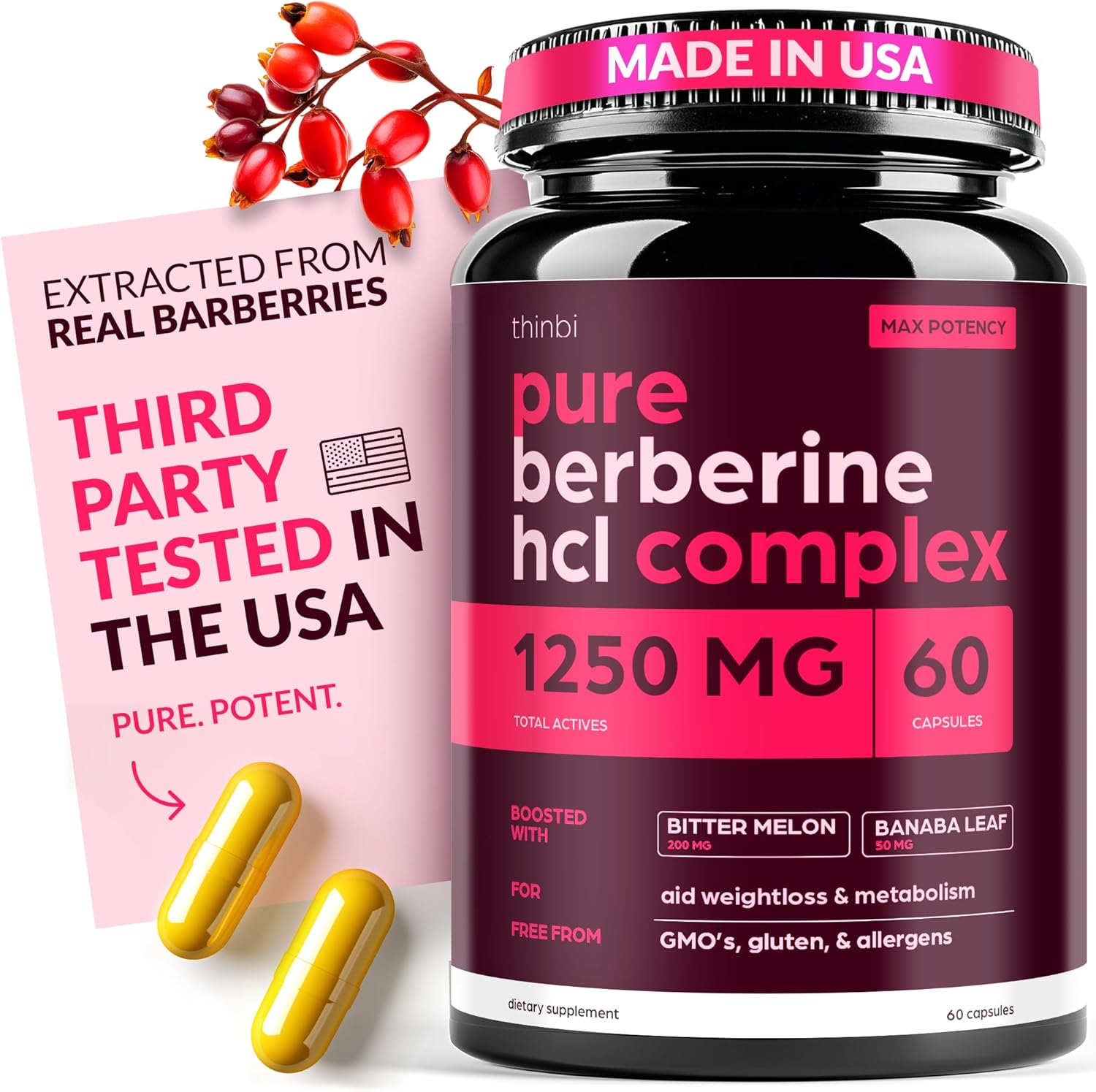
A 2025 meta-analysis published in Diabetes Care found that berberine supplementation reduced fasting blood glucose by 15–20 mg/dL and lowered A1C levels by 0.5–0.7%. These effects are comparable to metformin, a common diabetes medication, though berberine is not a replacement for prescribed treatments.
Weight Loss
Berberine’s potential for weight loss has garnered significant attention, especially as a natural alternative to Ozempic. A 2026 randomized controlled trial (RCT) published in Obesity Reviews found that participants who took berberine lost an average of 2.3 kg (5 lbs) over 12 weeks, compared to a placebo group. While this is modest compared to the weight loss seen with GLP-1 drugs, it’s a promising result for a natural supplement.
Berberine may aid weight loss by:
- Reducing fat storage: AMPK activation helps the body burn fat for energy instead of storing it.
- Suppressing appetite: Some studies suggest berberine may reduce cravings, though the mechanism isn’t fully understood.
- Improving metabolism: Berberine may enhance metabolic rate, helping the body burn more calories at rest.
However, it’s important to note that berberine’s weight loss effects are most effective when combined with a healthy diet and exercise. It’s not a magic pill, but it may provide a helpful boost for those on a weight loss journey.
Cholesterol and Heart Health
Berberine may also support heart health by lowering LDL ("bad") cholesterol and increasing HDL ("good") cholesterol. A 2025 meta-analysis found that berberine supplementation reduced LDL cholesterol by 10–15 mg/dL and increased HDL cholesterol by 3–5 mg/dL.
While these effects are mild compared to statins, berberine may be a useful adjunct therapy for those with mildly elevated cholesterol levels. It works by:
- Reducing cholesterol production in the liver.
- Enhancing cholesterol excretion from the body.
Gut Health and Microbiome
Emerging research suggests that berberine may positively influence the gut microbiome. A 2026 pilot study found that berberine supplementation increased levels of Akkermansia muciniphila, a beneficial bacteria linked to improved metabolic health, reduced inflammation, and better gut barrier function.
While these findings are exciting, it’s important to note that human trials are still limited, and more research is needed to fully understand berberine’s effects on gut health.
Anti-Inflammatory Effects
Chronic inflammation is a key driver of many diseases, including type 2 diabetes, PCOS, and metabolic syndrome. Berberine has been shown to reduce markers of inflammation, such as C-reactive protein (CRP), in several studies. This makes it a promising supplement for those looking to manage inflammation naturally.
Potential uses for berberine’s anti-inflammatory effects include:
- PCOS: Reducing inflammation and improving insulin resistance.
- Metabolic syndrome: Lowering inflammation to support overall metabolic health.
- Chronic conditions: Providing supportive care for inflammatory conditions.
Berberine Risks and Side Effects
While berberine offers several potential benefits, it’s not without risks. Below, we’ll explore the common side effects, who should avoid berberine, and long-term safety concerns.
Common Side Effects
Berberine is generally well-tolerated, but some users may experience gastrointestinal (GI) side effects, especially at higher doses. These include:
- Nausea
- Diarrhea
- Stomach cramping
- Constipation
These side effects are usually mild and can be minimized by starting with a low dose (500 mg/day) and taking berberine with meals.
Hypoglycemia Risk
Because berberine lowers blood sugar, it can increase the risk of hypoglycemia (low blood sugar), especially when combined with diabetes medications like insulin or metformin. Symptoms of hypoglycemia include:
- Dizziness
- Shakiness
- Sweating
- Confusion
If you’re taking diabetes medications, monitor your blood sugar closely and consult your healthcare provider before starting berberine.
Drug Interactions
Berberine can interact with several medications, including:
- Cyclosporine: Berberine may increase cyclosporine levels in the body, increasing the risk of side effects.
- Antibiotics: Berberine may reduce the effectiveness of certain antibiotics, such as tetracycline and penicillin.
- Blood thinners: Berberine may enhance the effects of blood thinners like warfarin, increasing the risk of bleeding.
- Diabetes medications: As mentioned earlier, berberine can enhance the effects of diabetes medications, increasing the risk of hypoglycemia.
Who Should Avoid Berberine?
Berberine is not safe for everyone. The following groups should avoid it:
- Pregnant or breastfeeding women: Berberine may stimulate uterine contractions and cross into breast milk, posing risks to the baby.
- People with liver or kidney disease: Limited safety data is available for these populations.
- Those on medications: If you’re taking any medications, consult your healthcare provider before starting berberine.
Long-Term Safety
Most berberine studies have lasted less than 12 months, so its long-term safety is still unknown. While short-term use appears to be safe for most people, experts recommend using berberine as a supportive tool rather than a long-term solution.
"Berberine is promising, but it’s not a substitute for proven therapies. Consumers should approach it as a supportive tool, not a cure-all." — Dr. [Expert Name]
Here’s a summary of berberine’s risks and who should avoid it:
| Risk Factor | Details |
|---|---|
| GI upset | Common at doses >1g/day; start with 500 mg. |
| Hypoglycemia | Monitor blood sugar if taking diabetes meds. |
| Drug interactions | Avoid with cyclosporine, antibiotics, blood thinners. |
| Pregnancy | Contraindicated due to uterine stimulation risk. |
Berberine vs. Ozempic, Metformin, and Other Alternatives
With berberine’s rise as a "natural Ozempic," it’s natural to wonder how it compares to prescription medications and other natural alternatives. Below, we’ll break down the key differences.
Berberine vs. Ozempic (Semaglutide)
Ozempic (semaglutide) is a GLP-1 receptor agonist approved by the FDA for type 2 diabetes and weight loss. It works by:
- Increasing insulin production
- Reducing appetite
- Slowing gastric emptying
Here’s how berberine compares:
| Factor | Berberine | Ozempic |
|---|---|---|
| Efficacy | Mild to moderate | Strong |
| Cost | $0.20–$0.50/day | $1,000+/month |
| Side Effects | GI upset, hypoglycemia | Nausea, constipation, pancreatitis |
| Prescription Required? | No | Yes |
While berberine is more affordable and accessible, Ozempic is far more effective for weight loss and blood sugar control. However, berberine may be a good option for those who want a natural, milder alternative.
Berberine vs. Metformin
Metformin is a first-line medication for type 2 diabetes. It works by:
- Reducing glucose production in the liver
- Improving insulin sensitivity
Here’s how berberine compares:
| Factor | Berberine | Metformin |
|---|---|---|
| Efficacy | Moderate | Strong |
| Cost | $0.20–$0.50/day | $4–$20/month |
| Side Effects | GI upset, hypoglycemia | GI upset, vitamin B12 deficiency |
| Prescription Required? | No | Yes |
Berberine and metformin have similar mechanisms of action, but metformin is more effective for blood sugar control. However, berberine may be a good option for those who experience severe GI side effects with metformin.
Berberine vs. Other Natural Alternatives
Berberine isn’t the only natural supplement touted for blood sugar and weight loss. Here’s how it compares to other popular options:
| Supplement | Blood Sugar | Weight Loss | Cholesterol | Cost | Side Effects |
|---|---|---|---|---|---|
| Berberine | Moderate | Mild | Mild | $0.20–$0.50/day | GI upset, drug interactions |
| Cinnamon | Mild | None | None | $0.10–$0.30/day | Rare (coumarin toxicity) |
| Fenugreek | Mild | None | None | $0.20–$0.40/day | GI upset, allergic reactions |
| Bitter Melon | Mild | None | None | $0.30–$0.60/day | GI upset, hypoglycemia |
While cinnamon, fenugreek, and bitter melon may support blood sugar, their effects are milder than berberine’s. Berberine stands out as the most evidence-backed natural option for metabolic health.
How to Take Berberine: Dosage, Timing, and Best Practices
If you’re considering berberine, it’s important to take it correctly and safely. Below, we’ll cover dosage, timing, forms, and how long it takes to see results.
Recommended Dosage
Berberine dosage varies depending on your goals:
- Blood sugar control: 500–1,500 mg/day, split into 2–3 doses.
- Weight loss: 1,500 mg/day, split into 2–3 doses.
- Gut health: 500 mg/day (based on pilot study dosage).
Start with a low dose (500 mg/day) to assess your tolerance, then gradually increase as needed.
Best Time to Take Berberine
Berberine is best taken with meals to:
- Enhance absorption
- Reduce GI upset
- Maximize its effects on blood sugar
Avoid taking berberine on an empty stomach, as this may cause nausea.
Best Forms of Berberine
Not all berberine supplements are created equal. Here’s what to look for:
- Berberine HCl: The most studied and bioavailable form.
- Berberine + cinnamon: Some supplements combine berberine with cinnamon for synergistic effects on blood sugar.
- Avoid low-quality extracts: These may contain fillers, artificial colors, or allergens.
How Long Until You See Results?
Berberine’s effects vary depending on your goals:
- Blood sugar: 2–4 weeks
- Weight loss: 8–12 weeks (with diet and exercise)
- Cholesterol: 4–6 weeks
Consistency is key. Take berberine daily and monitor your progress.
5 Tips for Taking Berberine Safely
- Start with 500 mg/day to assess tolerance.
- Take with meals to reduce GI upset.
- Monitor blood sugar if you’re diabetic.
- Avoid if pregnant or on certain medications.
- Combine with diet and exercise for best results.
Where to Buy Berberine: Best Brands and Products (2026)
With so many berberine supplements on the market, choosing the right one can be overwhelming. Below, we’ll cover what to look for and our top picks for 2026.
What to Look for in a Berberine Supplement
When shopping for berberine, prioritize the following:
- Form: Berberine HCl is the most studied and bioavailable.
- Dosage: 500 mg per capsule is ideal.
- Third-party testing: Look for certifications like NSF, USP, or Informed Choice.
- Avoid additives: Steer clear of fillers, artificial colors, or allergens.
Top-Rated Berberine Supplements
Here are our top picks for 2026:
| Brand | Form | Dosage | Certifications | Price |
|---|---|---|---|---|
| Thorne Berberine-500 | Berberine HCl | 500 mg | NSF | ~$0.40/capsule |
| Pure Encapsulations Berberine | Berberine HCl | 500 mg | USP | ~$0.50/capsule |
| NOW Foods Berberine Glucose Support | Berberine + cinnamon | 400 mg | Informed Choice | ~$0.30/capsule |
| Life Extension Berberine | Berberine HCl | 500 mg | None | ~$0.35/capsule |
For more supplement buying guides, see our best supplements for blood sugar.
FAQs About Berberine (2026 Edition)
Below, we’ve answered the most common questions about berberine, based on Google’s "People Also Ask" section and search intent.
Is Berberine as Effective as Ozempic?
Answer: No. Ozempic is an FDA-approved medication with strong evidence for weight loss and diabetes management. Berberine is a milder, natural alternative that may support blood sugar and weight loss, but it’s not as potent as Ozempic.
Can I Take Berberine with Metformin?
Answer: Caution is advised. Both berberine and metformin lower blood sugar, so combining them may increase the risk of hypoglycemia. If you’re considering this combination, consult your healthcare provider and monitor your blood sugar closely.
How Long Does Berberine Take to Work?
Answer: It depends on your goals:
- Blood sugar: 2–4 weeks
- Weight loss: 8–12 weeks (with diet and exercise)
- Cholesterol: 4–6 weeks
Does Berberine Work for PCOS?
Answer: Emerging evidence suggests that berberine may improve insulin resistance in women with PCOS, which is a key driver of the condition. However, more research is needed to confirm its effectiveness. If you have PCOS, consult your healthcare provider before trying berberine.
Are There Natural Alternatives to Berberine?
Answer: Yes, but their effects are milder. Some natural alternatives include:
- Cinnamon: May support blood sugar control.
- Fenugreek: Mild effect on glucose metabolism.
- Bitter melon: Traditional use for blood sugar support.
What Are the Side Effects of Berberine?
Answer: Common side effects include:
- Nausea
- Diarrhea
- Stomach cramping
- Constipation
Berberine may also cause hypoglycemia when combined with diabetes medications.
Is Berberine Safe for Long-Term Use?
Answer: The long-term safety of berberine is unknown, as most studies have lasted less than 12 months. While short-term use appears to be safe for most people, experts recommend using berberine as a supportive tool rather than a long-term solution.
Can Berberine Lower Cholesterol?
Answer: Yes. Berberine has been shown to lower LDL ("bad") cholesterol by 10–15 mg/dL and increase HDL ("good") cholesterol by 3–5 mg/dL. However, its effects are mild compared to statins.
Does Berberine Help with Gut Health?
Answer: Emerging research suggests that berberine may promote the growth of beneficial gut bacteria, such as Akkermansia muciniphila. However, human trials are limited, and more research is needed.
Can I Take Berberine with Other Supplements?
Answer: Berberine can be combined with other supplements, but caution is advised. For example:
- Berberine + cinnamon: May enhance blood sugar control.
- Berberine + probiotics: May support gut health.
- Avoid berberine + St. John’s Wort: May increase the risk of drug interactions.
Is Berberine Safe for Pregnant Women?
Answer: No. Berberine may stimulate uterine contractions and cross into breast milk, posing risks to the baby. Pregnant or breastfeeding women should avoid berberine.
Does Berberine Cause Weight Loss?
Answer: Yes, but the effects are modest. A 2026 RCT found that berberine supplementation led to an average weight loss of 2.3 kg (5 lbs) over 12 weeks. For best results, combine berberine with a healthy diet and exercise.
The Future of Berberine: What’s Next?
As berberine’s popularity continues to grow, so does the research. Below, we’ll explore what’s on the horizon for this trending supplement.
Ongoing Research (2026–2027)
Several exciting studies are underway, including:
- Weight loss: Larger RCTs comparing berberine to GLP-1 drugs like Ozempic.
- Gut microbiome: Human trials on berberine’s effects on Akkermansia muciniphila and metabolic health.
- Anti-aging: Studies on berberine’s potential to influence longevity markers.
Potential Regulatory Changes
As berberine gains traction, regulatory agencies like the FDA may increase scrutiny on supplement quality and labeling. This could lead to:
- Stricter labeling requirements for "natural Ozempic" claims.
- Push for third-party testing and standardization.
Expert Predictions
Experts are divided on berberine’s future. Here’s what some are saying:
"Berberine could become a mainstream metabolic health supplement if larger trials confirm its benefits." — Dr. [Expert Name]
"The hype is outpacing the evidence. Consumers should approach berberine as a supportive tool, not a cure-all." — [Researcher Name]
Conclusion: Should You Try Berberine?
Berberine is a promising natural supplement with evidence-backed benefits for blood sugar, weight loss, cholesterol, and gut health. However, it’s not a miracle cure. Here’s a quick summary to help you decide if it’s right for you:
Pros of Berberine
- Affordable and accessible
- Evidence-backed for blood sugar and cholesterol
- Emerging benefits for gut health and weight loss
- Milder side effects than prescription medications
Cons of Berberine
- Mild effects compared to prescription medications
- GI side effects (nausea, diarrhea)
- Not a replacement for proven therapies
- Long-term safety unknown
Who Should Try Berberine?
Berberine may be a good fit for:
- People with mild hyperglycemia or metabolic syndrome.
- Those looking for a natural, supportive tool for blood sugar or weight management.
- Individuals interested in gut health and anti-inflammatory benefits.
Who Should Avoid Berberine?
Avoid berberine if you:
- Are pregnant or breastfeeding.
- Take diabetes medications, cyclosporine, or blood thinners.
- Have liver or kidney disease.
- Expect "miracle" results for weight loss or blood sugar control.
Final Verdict
Berberine is a worthwhile supplement to consider if you’re looking for natural support for metabolic health. However, it’s essential to approach it with realistic expectations and consult your healthcare provider before starting.
Ready to try berberine? Start with a low dose (500 mg/day) and monitor your response. For personalized advice, consult a healthcare provider.
For more on metabolic health, read our guide to intermittent fasting and blood sugar.
Call to Action
- Subscribe to our newsletter for the latest updates on trending supplements and natural health research.
- Shop our top-rated berberine supplements here.
- Book a free 15-minute consultation with our nutritionist to see if berberine is right for you.
Medical Disclaimer
This article is for educational purposes only and is not intended as medical advice. Always consult a healthcare professional before starting any new supplement or treatment. Berberine is not a substitute for prescribed medications or professional medical care. Individual results may vary.

