
TikTok calls it "nature’s Ozempic." Instagram influencers swear by its weight loss powers. And Google searches for berberine supplement have skyrocketed by 120% in the past year alone. But can this golden-hued compound from ancient herbal medicine really help you shed pounds, lower blood sugar, and improve metabolic health—or is it just another overhyped trend?
Here’s the truth: Berberine isn’t new. It’s been used for centuries in Traditional Chinese Medicine (TCM) and Ayurveda to treat infections, digestive issues, and even diabetes. But in 2026, it’s experiencing a renaissance, thanks to a perfect storm of factors: rising obesity rates, skyrocketing diabetes diagnoses, and a growing distrust in pharmaceutical solutions like Ozempic and metformin. People are desperate for a natural, accessible alternative—and berberine is stepping into the spotlight.
But before you jump on the berberine bandwagon, it’s crucial to separate fact from fiction. Does it really work as well as Ozempic? What’s the right dosage for weight loss or blood sugar control? Are there risks or side effects you should know about? And most importantly, is it safe for you?
In this ultimate 2026 guide, we’ll dive deep into the science, trends, and practical advice surrounding berberine. You’ll learn:
- The latest research on berberine’s benefits for blood sugar, weight loss, and cholesterol.
- How berberine compares to Ozempic and metformin—and who should (or shouldn’t) try it.
- The best dosage and forms of berberine for your goals, plus tips to maximize its effectiveness.
- Potential side effects and drug interactions—and who should avoid berberine altogether.
- Where to buy high-quality berberine supplements and what red flags to watch out for.
- Real-world user testimonials and expert insights to help you decide if berberine is right for you.
If you’re curious about natural ways to support your metabolic health, don’t miss our 2026 Herbal Medicine Trends Report for a broader look at what’s trending in the world of herbal supplements.
Why Is Berberine Trending in 2026? The Viral Phenomenon Explained
The TikTok & Social Media Hype
Scroll through TikTok or Instagram Reels, and you’ll likely stumble upon the #BerberineChallenge. With over 1.8 million views (and counting), this trend features users sharing their "before and after" results after taking berberine for 30 days. Some claim to have lost 8–10 pounds, while others rave about their lower blood sugar readings or improved energy levels. Influencers like @DrGundry and @ThePlantBasedMD have amplified the buzz, calling berberine a "game-changer" for metabolic health.
But is this hype justified? Let’s break it down.
Before-and-After Claims: What’s Real?
While some user testimonials are compelling, it’s important to approach them with a critical eye. Weight loss and blood sugar improvements can vary widely depending on factors like diet, exercise, genetics, and baseline metabolic health. For example:
- Sarah, 32: "I lost 8 lbs in 30 days taking berberine, but I also cut out sugar and started walking daily."
- James, 45: "My fasting blood sugar dropped from 130 to 105 mg/dL, but I was also on a low-carb diet."
In both cases, berberine was part of a broader lifestyle change—not a magic bullet. That said, the anecdotal evidence is hard to ignore, and it’s sparked curiosity among researchers and healthcare providers alike.
Video Embed Opportunity: "Watch: Berberine vs. Ozempic – What Doctors Say" (YouTube/TikTok embed).
Google Trends & Search Data
Berberine isn’t just a social media sensation—it’s a search engine powerhouse. According to Google Trends, searches for "berberine for weight loss" have surged by 120% year-over-year, outpacing other trending supplements like moringa (-10% YoY) and ashwagandha (+5% YoY).
Here’s what people are searching for:
- "Does berberine work for weight loss?"
- "Berberine vs. Ozempic: Which is better?"
- "How much berberine should I take for blood sugar?"
- "Berberine side effects and safety"
Infographic Opportunity: "Berberine Search Trends 2020–2026" (Google Trends data).
Media & Scientific Buzz
Berberine’s rise isn’t just driven by influencers—it’s backed by cutting-edge science. In 2026, a groundbreaking meta-analysis published in *Nature Metabolism* reviewed 12 randomized controlled trials (RCTs) involving over 800 participants. The findings? Berberine reduced HbA1c levels by an average of 1.0%, a result comparable to some prescription diabetes medications.
Media outlets have taken notice. *CNN Health*, *WebMD*, and *Healthline* have all published features on berberine, highlighting its potential as a natural alternative to Ozempic and metformin. Endocrinologists and nutritionists are weighing in, too. Dr. Mark Hyman, a functional medicine pioneer, calls berberine "one of the most promising natural compounds for metabolic health," while cautioning that it’s not a replacement for lifestyle changes.
Why Now? The Perfect Storm of Hype
So why is berberine having its moment now? Several factors are converging to create the perfect storm of hype:
1. Rising Diabetes and Obesity Rates
The global diabetes epidemic shows no signs of slowing down. According to the International Diabetes Federation, over 537 million adults were living with diabetes in 2021—a number projected to rise to 783 million by 2045. Meanwhile, obesity rates have tripled since 1975, with nearly 2 billion adults classified as overweight or obese. People are actively seeking solutions, and berberine offers a natural, over-the-counter option for those struggling with blood sugar and weight management.
2. Distrust in Big Pharma
There’s a growing skepticism toward pharmaceutical companies, fueled by high drug prices, side effects, and scandals. Ozempic, for example, is a GLP-1 agonist that’s highly effective for weight loss and blood sugar control—but it comes with a steep price tag ($1,000+ per month) and side effects like nausea and constipation. Berberine, on the other hand, is affordable, accessible, and perceived as "natural", making it an appealing alternative.
3. Accessibility and Convenience
Unlike Ozempic, which requires a prescription, berberine is available over the counter in health food stores, pharmacies, and online retailers like Amazon and iHerb. This accessibility makes it an attractive option for people who want to take control of their health without relying on a doctor’s approval.
What Is Berberine? The Science Behind the Supplement
Origins & Traditional Use
Berberine isn’t a new discovery. It’s been used for thousands of years in traditional medicine systems, including:
- Traditional Chinese Medicine (TCM): Used to treat infections, diarrhea, and digestive disorders.
- Ayurveda: Employed as an antimicrobial and anti-inflammatory agent.
- Native American medicine: Goldenseal, a berberine-rich plant, was used to treat skin conditions and infections.
Berberine is a bioactive compound found in the roots, stems, and bark of several plants, including:
- Goldenseal (Hydrastis canadensis)
- Barberry (Berberis vulgaris)
- Oregon grape (Mahonia aquifolium)
- Chinese goldthread (Coptis chinensis)
Its bright yellow color is a telltale sign of its alkaloid content, which gives it its potent pharmacological properties.
How Berberine Works in the Body
Berberine’s magic lies in its ability to activate AMP-activated protein kinase (AMPK), an enzyme often referred to as the "metabolic master switch." AMPK plays a crucial role in regulating energy balance, fat metabolism, and glucose uptake. When activated, it:
- Enhances glucose uptake in cells, lowering blood sugar levels.
- Boosts fat oxidation, helping the body burn fat for energy.
- Reduces glucose production in the liver, improving insulin sensitivity.
But AMPK activation is just one piece of the puzzle. Berberine also:
1. Modulates the Gut Microbiome
Berberine has antimicrobial properties that can help rebalance the gut microbiome. It may reduce harmful bacteria like E. coli and H. pylori while potentially disrupting beneficial microbes like Bifidobacterium. This dual effect makes it a double-edged sword for gut health—beneficial for some, but potentially problematic for others.
2. Lowers LDL Cholesterol
Berberine inhibits PCSK9, a protein that regulates cholesterol levels. By blocking PCSK9, berberine helps the liver remove LDL ("bad") cholesterol from the bloodstream, leading to reductions of 15–20% in some studies. This mechanism is similar to how statin drugs and PCSK9 inhibitors like Repatha work.
3. Mimics Some Effects of Ozempic and Metformin
While berberine isn’t as potent as Ozempic (a GLP-1 agonist) or metformin (a biguanide), it shares some overlapping mechanisms:
| Mechanism | Berberine | Ozempic (Semaglutide) | Metformin |
|---|---|---|---|
| Primary Target | AMPK activation | GLP-1 receptor agonist | AMPK activation |
| Weight Loss Effect | Moderate (2–4 kg over 12 weeks) | Strong (10–15% of body weight) | Mild (1–3 kg over 12 weeks) |
| Blood Sugar Effect | Moderate (~1.0% HbA1c reduction) | Strong (~1.5% HbA1c reduction) | Strong (~1.0–1.5% HbA1c reduction) |
| Side Effects | GI upset (nausea, diarrhea) | Nausea, constipation, pancreatitis | GI upset, lactic acidosis (rare) |
Berberine vs. Other Trending Supplements
Berberine isn’t the only supplement making waves in 2026. Here’s how it stacks up against other popular options:
1. Lion’s Mane
- Primary benefit: Cognitive function and neuroprotection.
- How it differs: Lion’s Mane targets the brain, while berberine focuses on metabolic health.
2. Ashwagandha
- Primary benefit: Stress relief and cortisol regulation.
- How it differs: Ashwagandha is an adaptogen for stress, while berberine is a metabolic regulator.
3. Moringa
- Primary benefit: Nutrient density and anti-inflammatory effects.
- How it differs: Moringa is a food-like supplement, while berberine has pharmacological effects.
Listicle Opportunity: "5 Trending Supplements in 2026 – Which One Is Right for You?"
Berberine Benefits: What the Science Says in 2026
Blood Sugar Control (Diabetes & Prediabetes)
If you’re struggling with high blood sugar or prediabetes, berberine might be a game-changer. Here’s what the latest research says:
2026 Meta-Analysis Findings
A 2026 meta-analysis published in *Nature Metabolism* reviewed 12 RCTs involving over 800 participants with type 2 diabetes or prediabetes. The results were striking:
- Berberine reduced HbA1c levels by an average of 1.0%, a result comparable to metformin.
- Fasting blood glucose levels dropped by 20–30 mg/dL in most participants.
- Insulin sensitivity improved by 25–30%.
Mechanism of Action
Berberine lowers blood sugar through multiple pathways:
- AMPK Activation: Enhances glucose uptake in muscle and fat cells.
- Reduced Hepatic Glucose Production: Decreases glucose output from the liver.
- Improved Insulin Sensitivity: Helps cells respond more effectively to insulin.
- Gut Microbiome Modulation: May reduce inflammation and improve gut health, which is linked to insulin resistance.
Study Spotlight
In a 2025 study published in *Diabetes Care*, 120 participants with prediabetes took 500 mg of berberine three times daily for 12 weeks. The results:
- 35% of participants reverted to normal blood sugar levels.
- Fasting blood glucose dropped by an average of 25 mg/dL.
- Insulin resistance (HOMA-IR) improved by 28%.
Featured Snippet Answer: "How much can berberine lower blood sugar?"
Berberine can lower fasting blood glucose levels by 20–30 mg/dL and reduce HbA1c by an average of 1.0% over 12 weeks, according to a 2026 meta-analysis. These effects are comparable to metformin, making berberine a promising natural option for blood sugar control.
Expert Commentary
Dr. Sarah Hallberg, an endocrinologist and obesity medicine specialist, weighs in:
"Berberine is one of the most exciting natural compounds for metabolic health. While it’s not a replacement for prescription medications like Ozempic or metformin, it can be a valuable tool for people with prediabetes or mild type 2 diabetes. The key is combining it with a low-carb diet and regular exercise for maximum benefit."
Weight Loss & Metabolic Health
Berberine’s weight loss effects are modest but real. Here’s what you need to know:
2025–2026 Study Findings
A 2025 systematic review analyzed 8 RCTs involving over 600 participants. The results:
- Participants lost an average of 2–4 kg (4.4–8.8 lbs) over 12 weeks when taking berberine.
- Waist circumference decreased by 1–3 cm.
- Body fat percentage dropped by 1–2%.
Mechanism of Action
Berberine promotes weight loss through:
- AMPK Activation: Increases fat oxidation and reduces fat storage.
- Improved Insulin Sensitivity: Helps the body use glucose more efficiently, reducing fat storage.
- Appetite Regulation: Some studies suggest berberine may reduce cravings, though the mechanism isn’t fully understood.
Comparison to Ozempic
While Ozempic is far more effective for weight loss (leading to 10–15% body weight loss in clinical trials), berberine offers a natural alternative with fewer side effects. Here’s how they compare:
| Factor | Berberine | Ozempic |
|---|---|---|
| Average Weight Loss (12 weeks) | 2–4 kg (4.4–8.8 lbs) | 5–10 kg (11–22 lbs) |
| Mechanism | AMPK activation | GLP-1 receptor agonist |
| Side Effects | GI upset, diarrhea | Nausea, constipation, pancreatitis |
| Cost | $20–$50/month | $1,000+/month |
| Accessibility | Over-the-counter | Prescription-only |
User Testimonials
Real-world results vary, but here’s what some users report:
- Maria, 38: "I lost 6 lbs in 8 weeks taking berberine, but I also started intermittent fasting. I think the combination helped."
- David, 52: "I didn’t lose much weight, but my energy levels improved, and my blood sugar stabilized. That’s a win for me."
- Priya, 29: "I experienced some stomach cramps at first, but they went away after a week. I lost 4 lbs in a month, which is more than I expected."
Before-and-After Infographic Opportunity: "Berberine Weight Loss Results: What to Expect".
Cholesterol & Heart Health
High cholesterol is a major risk factor for heart disease, and berberine may help. Here’s how:
LDL Reduction
Berberine has been shown to reduce LDL ("bad") cholesterol by 15–20% in clinical trials. This effect is comparable to low-dose statins like simvastatin.
Mechanism of Action
Berberine lowers cholesterol through:
- PCSK9 Inhibition: PCSK9 is a protein that regulates LDL receptors in the liver. By inhibiting PCSK9, berberine helps the liver remove more LDL cholesterol from the bloodstream.
- Reduced Cholesterol Synthesis: Berberine decreases the production of cholesterol in the liver.
- Improved Lipid Metabolism: Enhances the breakdown of fats in the body.
Study Spotlight
A 2025 study in the *Journal of Clinical Lipidology* found that participants taking 1,000 mg of berberine daily for 12 weeks experienced:
- A 22% reduction in LDL cholesterol.
- A 15% reduction in total cholesterol.
- A 10% increase in HDL ("good") cholesterol.
HDL and Triglycerides: Mixed Evidence
While berberine consistently lowers LDL cholesterol, its effects on HDL and triglycerides are less clear. Some studies show modest improvements, while others show no significant changes. If your primary goal is to raise HDL or lower triglycerides, you may need to combine berberine with other interventions like exercise or omega-3 supplements.
| Study | Dose | LDL Reduction | Duration |
|---|---|---|---|
| *Journal of Clinical Lipidology* (2025) | 1,000 mg/day | 22% | 12 weeks |
| *Nature Metabolism* (2026) | 500 mg/day | 18% | 8 weeks |
Gut Health & Microbiome
Your gut microbiome plays a crucial role in metabolic health, and berberine’s effects on gut bacteria are a double-edged sword.
Antimicrobial Effects
Berberine has broad-spectrum antimicrobial properties, meaning it can kill or inhibit the growth of harmful bacteria like:
- E. coli (a common cause of food poisoning)
- H. pylori (linked to stomach ulcers and gastritis)
- Candida albicans (a fungus that can cause infections)
This makes berberine potentially useful for conditions like small intestinal bacterial overgrowth (SIBO) and gut infections. However, its antimicrobial effects aren’t selective—it can also disrupt beneficial bacteria like Bifidobacterium and Lactobacillus, which are essential for gut health.
SIBO Connection
Anecdotal reports suggest that berberine may help alleviate symptoms of SIBO, such as bloating, gas, and diarrhea. However, clinical evidence is limited, and more research is needed to confirm its effectiveness.
Expert Commentary
Dr. Emeran Mayer, a gastroenterologist and author of The Gut-Immune Connection, shares his perspective:
"Berberine’s antimicrobial effects are fascinating, but they come with a caveat. While it may help rebalance the gut microbiome in cases of dysbiosis, it can also disrupt beneficial microbes. If you’re considering berberine for gut health, I recommend working with a healthcare provider to monitor your microbiome and adjust your dosage as needed."
Other Potential Benefits (Emerging Research)
Berberine’s benefits extend beyond blood sugar and cholesterol. Here’s a look at some emerging areas of research:
1. PCOS (Polycystic Ovary Syndrome)
PCOS is a hormonal disorder that affects 1 in 10 women of childbearing age. It’s often characterized by insulin resistance, which can lead to weight gain, irregular periods, and infertility. Early research suggests that berberine may help by:
- Improving insulin sensitivity.
- Reducing androgen levels (e.g., testosterone).
- Promoting ovulation.
A 2024 study in *Reproductive Biology and Endocrinology* found that women with PCOS who took berberine for 12 weeks experienced:
- A 30% reduction in insulin resistance.
- A 20% decrease in testosterone levels.
- Improved menstrual regularity in 60% of participants.
Content Gap Opportunity: "Berberine for PCOS: What the Research Says".
2. Anti-Inflammatory Effects
Chronic inflammation is linked to a host of diseases, including diabetes, heart disease, and autoimmune conditions. Berberine has been shown to reduce inflammatory markers like CRP (C-reactive protein) and IL-6 (interleukin-6). This makes it a potential adjunct therapy for conditions like:
- Rheumatoid arthritis
- Inflammatory bowel disease (IBD)
- Metabolic syndrome
3. Anticancer Properties
Preclinical studies (mostly in test tubes and animals) suggest that berberine may have anticancer properties. It appears to:
- Inhibit the growth of cancer cells.
- Induce apoptosis (programmed cell death) in tumor cells.
- Reduce angiogenesis (the formation of new blood vessels that feed tumors).
However, it’s important to note that these findings are not yet confirmed in human trials, and berberine should not be used as a cancer treatment.
Berberine Risks & Side Effects: What You Need to Know
While berberine is generally safe for short-term use, it’s not without risks. Here’s what you need to know before trying it.
Common Side Effects
Berberine is well-tolerated by most people, but some experience side effects, particularly at higher doses. The most common include:
- Gastrointestinal issues:
- Nausea
- Diarrhea
- Stomach cramps
- Constipation
- Dizziness or headaches: Reported in some users, especially when starting the supplement.
- Hypoglycemia (low blood sugar): A risk for people taking diabetes medications like insulin or metformin.
Listicle Opportunity: "5 Berberine Side Effects You Shouldn’t Ignore".
Drug Interactions (Critical Warnings)
Berberine can interact with several medications, sometimes dangerously. Here are the most important interactions to be aware of:
| Medication | Interaction Risk | Recommendation |
|---|---|---|
| Metformin | Increased risk of hypoglycemia (low blood sugar) | Monitor blood sugar closely; consult a doctor before combining |
| Insulin | Increased risk of hypoglycemia | Avoid combining or adjust insulin dosage with medical supervision |
| Statins (e.g., Lipitor, Crestor) | Increased statin levels, raising the risk of side effects (e.g., muscle pain, liver damage) | Consult a doctor before combining |
| Blood pressure medications (e.g., calcium channel blockers, beta-blockers) | Additive blood pressure-lowering effects, risk of hypotension | Avoid combining or monitor blood pressure closely |
| Cyclosporine (immunosuppressant) | Increased cyclosporine levels, raising the risk of side effects | Avoid combining |
| Warfarin (blood thinner) | Increased risk of bleeding | Avoid combining or monitor INR closely |
Why Do These Interactions Occur?
Berberine is metabolized by the liver enzyme CYP3A4, which also breaks down many medications. When berberine inhibits CYP3A4, it can increase the levels of these drugs in your bloodstream, leading to a higher risk of side effects.
Who Should Avoid Berberine?
Berberine isn’t safe for everyone. Avoid it if you:
- Are pregnant or breastfeeding: Berberine may stimulate uterine contractions and cross the placenta, potentially harming the fetus. It may also pass into breast milk.
- Are a child: Safety and efficacy in children have not been established.
- Have liver or kidney disease: Berberine is metabolized by the liver and excreted by the kidneys. If these organs are compromised, berberine may accumulate to toxic levels.
- Are scheduled for surgery: Berberine may affect blood sugar control and increase the risk of bleeding. Stop taking it at least 2 weeks before surgery.
- Have low blood pressure (hypotension): Berberine may lower blood pressure further, leading to dizziness or fainting.
Long-Term Safety: What We Don’t Know
Most clinical trials on berberine have lasted 12 weeks or less, so its long-term safety is unclear. Potential risks of long-term use include:
- Liver strain: High doses may increase liver enzymes, a sign of liver stress.
- Gut microbiome disruption: Berberine’s antimicrobial effects may harm beneficial gut bacteria over time.
- Nutrient deficiencies: Berberine may interfere with the absorption of certain nutrients, such as B vitamins.
Dr. David Winston, a toxicologist and herbalist, weighs in:
"Berberine is a powerful compound with a long history of use, but we still don’t know enough about its long-term effects. If you’re considering taking it for more than 12 weeks, I recommend working with a healthcare provider to monitor your liver function, blood sugar, and overall health."
Berberine Dosage: How to Take It Safely & Effectively
Getting the dosage right is key to maximizing berberine’s benefits while minimizing side effects. Here’s a comprehensive guide.
Recommended Dosage for Different Goals
The optimal dosage of berberine depends on your health goals. Here are evidence-based recommendations:
| Goal | Dosage | Timing | Notes |
|---|---|---|---|
| Blood sugar control | 500–1,500 mg/day | Split into 2–3 doses with meals | Start with 300–500 mg/day to assess tolerance; monitor blood sugar closely |
| Weight loss | 1,000–1,500 mg/day | Take 30–60 minutes before meals | Combine with a low-carb diet and exercise for best results |
| Cholesterol reduction | 500–1,000 mg/day | Split into 2 doses with meals | Track lipid panels to monitor progress |
| Gut health | 300–500 mg/day | Take with meals | Start low to avoid disrupting beneficial gut bacteria |
Dosage Tips
- Start low: Begin with 300–500 mg/day to assess your tolerance, especially if you’re sensitive to supplements.
- Split your dose: Berberine has a short half-life, so splitting your dose (e.g., 500 mg in the morning and 500 mg at night) maximizes its effects.
- Take with meals: Berberine is better absorbed when taken with food, and it may reduce GI side effects.
- Monitor your response: Track your blood sugar, cholesterol, or weight to gauge berberine’s effectiveness.
- Cycle your use: Consider taking berberine for 8–12 weeks, followed by a 2–4 week break, to prevent tolerance and reduce the risk of side effects.
Best Forms of Berberine
Berberine comes in several forms, each with its own pros and cons. Here’s what to look for:
1. Berberine HCl
- Pros: The most studied and widely available form; cost-effective.
- Cons: May cause more GI upset than other forms.
2. Berberine Sulfate
- Pros: Better bioavailability than berberine HCl, meaning it’s absorbed more efficiently.
- Cons: More expensive and less widely available.
3. Berberine Phytosome
- Pros: Enhanced absorption due to its phytosome complex.
- Cons: Expensive and not as well-studied as berberine HCl.
What to Avoid
- Proprietary blends: These don’t disclose the exact amount of berberine, making it impossible to know if you’re getting an effective dose.
- Low-quality extracts: Some supplements contain fillers or contaminants. Always choose third-party tested products.
Product Comparison Table
| Brand | Form | Dosage per Serving | Price (per serving) | Third-Party Tested? |
|---|---|---|---|---|
| Thorne Research | Berberine HCl | 500 mg | $$ | Yes (NSF Certified for Sport) |
| Pure Encapsulations | Berberine HCl | 400 mg | $$ | Yes (NSF, GMP) |
| NOW Foods | Berberine HCl | 400 mg | $ | Yes (UL, Informed Choice) |
| Life Extension | Berberine HCl | 500 mg | $$ | Yes (NSF, GMP) |
| Integrative Therapeutics | Berberine Phytosome | 250 mg | $$$ | Yes (NSF, GMP) |
How Long Until You See Results?
Berberine doesn’t work overnight, but you can expect to see changes within a few weeks to months, depending on your goals:
| Goal | Timeframe for Results | What to Expect |
|---|---|---|
| Blood sugar control | 2–4 weeks | Lower fasting blood glucose, improved HbA1c |
| Weight loss | 4–8 weeks | Modest weight loss (2–4 kg), reduced waist circumference |
| Cholesterol reduction | 4–6 weeks | Lower LDL cholesterol, improved lipid profile |
| Gut health | 2–4 weeks | Reduced bloating, improved digestion (anecdotal) |
Expert Tip
Dr. Jason Fung, a nephrologist and fasting expert, recommends:
"If you’re taking berberine for blood sugar or weight loss, track your biomarkers. Use a glucometer to monitor your fasting and post-meal blood sugar levels, and weigh yourself weekly. This will help you determine if berberine is working for you and whether you need to adjust your dosage or lifestyle."
Tips to Maximize Effectiveness
Berberine works best when combined with lifestyle changes. Here’s how to get the most out of it:
1. Take It with Meals
Berberine is better absorbed when taken with food, and it may reduce GI side effects. Aim to take it with breakfast and dinner (or lunch, if you’re splitting your dose into three).
2. Combine with Milk Thistle
Milk thistle is an herb that supports liver health. Since berberine is metabolized by the liver, taking milk thistle may help reduce liver strain and improve berberine’s effectiveness. A typical dose is 200–400 mg of milk thistle extract per day.
3. Pair with a Low-Carb or Mediterranean Diet
Berberine works synergistically with diets that improve insulin sensitivity. Consider:
- Low-carb or ketogenic diet: Reduces blood sugar spikes and enhances fat burning.
- Mediterranean diet: Rich in healthy fats and fiber, which support metabolic health.
4. Exercise Regularly
Exercise enhances berberine’s effects on blood sugar and weight loss. Aim for a mix of:
- Cardio: Walking, running, cycling, or swimming (150 minutes per week).
- Strength training: Weightlifting or resistance exercises (2–3 times per week).
- High-intensity interval training (HIIT): Short bursts of intense exercise (1–2 times per week).
5. Avoid Alcohol
Alcohol can strain the liver and interfere with berberine’s metabolism. If you drink, limit your intake to 1–2 drinks per week.
6. Stay Hydrated
Berberine can cause digestive upset in some people. Drinking plenty of water may help reduce nausea or diarrhea.
Berberine vs. Ozempic vs. Metformin: Which Is Right for You?
Berberine, Ozempic, and metformin are all used to manage blood sugar and support weight loss, but they work in different ways and have distinct pros and cons. Here’s how they compare.
Efficacy Comparison
| Factor | Berberine | Ozempic (Semaglutide) | Metformin |
|---|---|---|---|
| Blood Sugar Reduction | Moderate (~1.0% HbA1c reduction) | Strong (~1.5% HbA1c reduction) | Strong (~1.0–1.5% HbA1c reduction) |
| Weight Loss Effect | Moderate (2–4 kg over 12 weeks) | Strong (10–15% of body weight) | Mild (1–3 kg over 12 weeks) |
| Side Effects | GI upset (nausea, diarrhea) | Nausea, constipation, pancreatitis | GI upset, lactic acidosis (rare) |
| Cost | $20–$50/month | $1,000+/month | $4–$20/month |
| Accessibility | Over-the-counter | Prescription-only | Prescription-only |
| Mechanism | AMPK activation | GLP-1 receptor agonist | AMPK activation |
Who Should Choose Berberine?
Berberine may be a good fit for you if:
- You have prediabetes and want to lower your blood sugar naturally.
- You’re looking for a natural alternative to metformin or Ozempic.
- You have metabolic syndrome (high blood sugar, high cholesterol, and obesity).
- You’re budget-conscious and want an affordable option.
- You prefer over-the-counter supplements over prescription medications.
Who Should Stick with Ozempic or Metformin?
Ozempic or metformin may be a better choice if:
- You have type 2 diabetes and need strong blood sugar control.
- You’re severely obese (BMI ≥ 35) and need significant weight loss.
- You’ve tried berberine and didn’t see results.
- You need rapid results (e.g., for an upcoming surgery or fertility treatment).
Can You Take Berberine with Ozempic or Metformin?
Combining berberine with Ozempic or metformin may have additive effects on blood sugar, but it also increases the risk of side effects like hypoglycemia (low blood sugar). Here’s what you need to know:
Potential Benefits
- Enhanced blood sugar control.
- Potential for lower doses of prescription medications, reducing side effects.
Risks
- Hypoglycemia: Berberine, Ozempic, and metformin all lower blood sugar. Combining them may cause blood sugar to drop too low, leading to dizziness, confusion, or fainting.
- GI side effects: All three can cause nausea, diarrhea, or stomach cramps, which may be worse when combined.
Expert Advice
Dr. Spencer Nadolsky, an obesity medicine specialist, advises:
"If you’re considering combining berberine with Ozempic or metformin, it’s crucial to work with a healthcare provider. You’ll need to monitor your blood sugar closely and adjust your dosages as needed. Never start or stop a medication or supplement without professional guidance."
Where to Buy Berberine: Best Brands & Red Flags
Not all berberine supplements are created equal. Here’s how to find a high-quality product and avoid scams.
Top-Rated Berberine Supplements (2026)
Here are some of the most reputable berberine supplements on the market in 2026:
| Brand | Product | Form | Dosage per Serving | Price (per serving) | Third-Party Tested? |
|---|---|---|---|---|---|
| Thorne Research | Berberine-500 | Berberine HCl | 500 mg | $$ | Yes (NSF Certified for Sport) |
| Pure Encapsulations | Berberine | Berberine HCl | 400 mg | $$ | Yes (NSF, GMP) |
| NOW Foods | Berberine Glucose Support | Berberine HCl | 400 mg | $ | Yes (UL, Informed Choice) |
| Life Extension | Optimized Berberine | Berberine HCl | 500 mg | $$ | Yes (NSF, GMP) |
| Integrative Therapeutics | Berberine Complex | Berberine Phytosome | 250 mg | $$$ | Yes (NSF, GMP) |
Red Flags to Avoid
Steer clear of berberine supplements with these red flags:
- No third-party testing: Reputable brands provide a Certificate of Analysis (COA) from an independent lab. Without this, you have no way of knowing if the product contains what it claims or if it’s contaminated with heavy metals, pesticides, or mold.
- Proprietary blends: These don’t disclose the exact amount of berberine, making it impossible to know if you’re getting an effective dose. Look for products that list the exact dosage of berberine per serving.
- Unrealistic claims: Avoid products that promise "miracle cures" like "Lose 20 lbs in 2 weeks!" or "Cures diabetes!" Berberine is a supplement, not a magic bullet.
- Poor Amazon reviews: Check for verified purchases and detailed reviews. Be wary of products with mostly 5-star reviews that sound generic or fake.
- No contact information: Reputable brands provide a physical address, phone number, and email for customer inquiries.
Where to Buy (Online & In-Store)
Online
- Amazon: Convenient, but be sure to check for third-party testing and verified reviews. Stick to reputable brands like Thorne Research or NOW Foods.
- iHerb: A great option for international buyers, with a wide selection of berberine supplements.
- Vitacost: Often offers discounts on high-quality supplements.
- Brand websites: Buying directly from brands like Thorne Research or Pure Encapsulations ensures you’re getting the real deal.
In-Store
- Whole Foods Market: Carries reputable brands like Gaia Herbs and NOW Foods.
- GNC: Offers a selection of berberine supplements, but check for third-party testing.
- Vitamin Shoppe: Another reliable option for in-store purchases.
- Local health food stores: Support small businesses and ask the staff for recommendations.
CTA : "Check the latest prices on Amazon or iHerb."
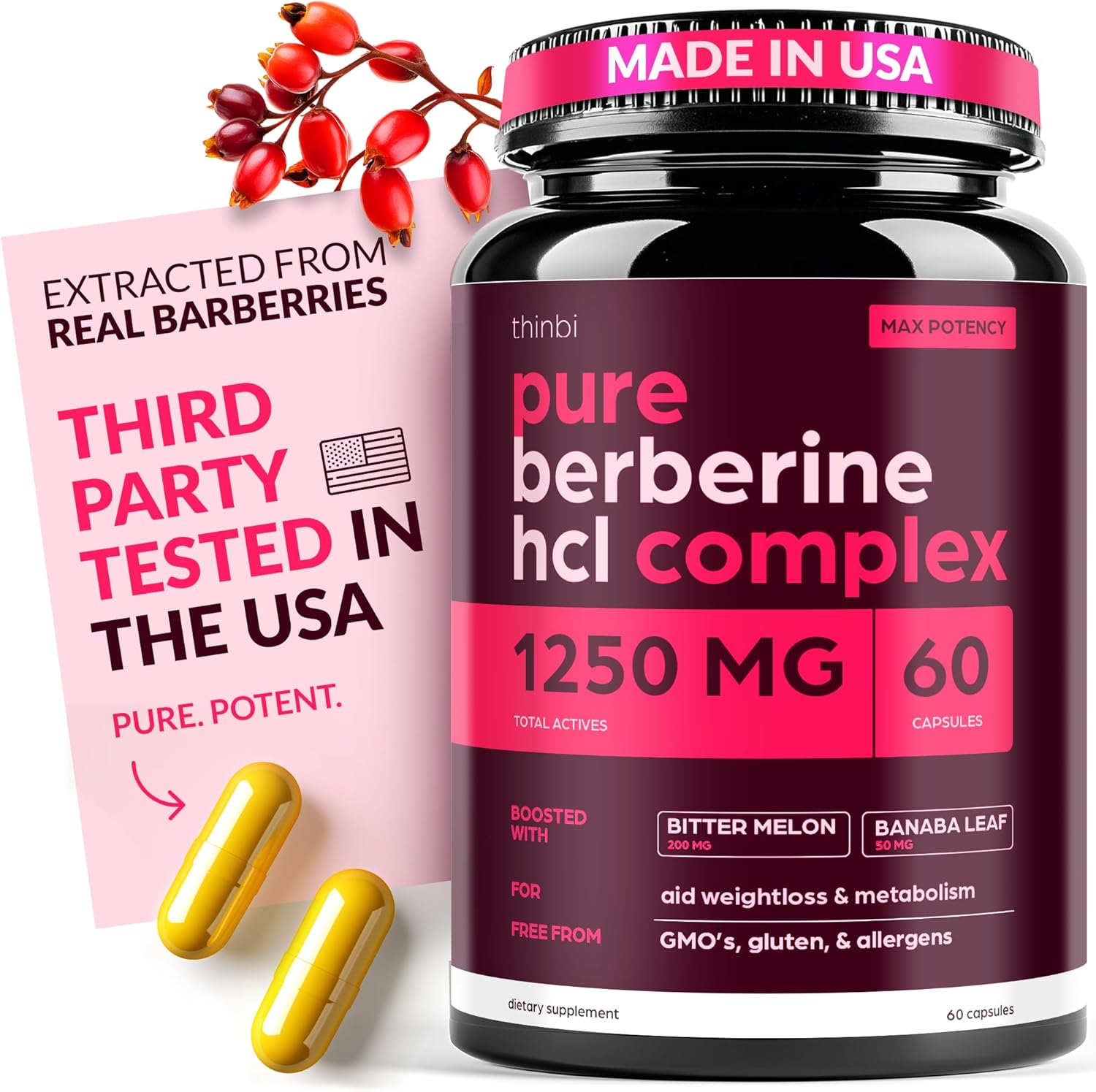
FAQs About Berberine (2026 Edition)
General Questions
Is berberine safe?
Answer: Berberine is generally safe for short-term use (up to 12 weeks) in healthy adults. However, it’s not suitable for everyone. Avoid berberine if you’re pregnant, breastfeeding, have liver or kidney disease, or are taking medications that interact with it (e.g., blood thinners, diabetes medications). Always consult a healthcare provider before starting berberine.
How does berberine compare to Ozempic?
Answer: Berberine and Ozempic both lower blood sugar and promote weight loss, but they work in different ways. Ozempic is a GLP-1 receptor agonist that’s far more potent for weight loss (10–15% of body weight) but comes with a higher risk of side effects (e.g., nausea, constipation) and a steep price tag ($1,000+/month). Berberine is a natural AMPK activator with modest weight loss effects (2–4 kg over 12 weeks) and fewer side effects. It’s also more affordable ($20–$50/month) and available over the counter.
Can berberine help with PCOS?
Answer: Emerging research suggests that berberine may help manage polycystic ovary syndrome (PCOS) by improving insulin resistance, reducing androgen levels, and promoting ovulation. A 2024 study found that women with PCOS who took berberine for 12 weeks experienced a 30% reduction in insulin resistance and improved menstrual regularity. However, more research is needed, and berberine should not replace conventional PCOS treatments without medical supervision.
Does berberine interact with birth control?
Answer: There’s no evidence that berberine interacts with hormonal birth control. However, berberine’s effects on the liver (where birth control is metabolized) could theoretically alter its effectiveness. If you’re concerned, consult a healthcare provider or use a backup method of contraception while taking berberine.
Dosage & Usage
What’s the best berberine dosage for weight loss?
Answer: For weight loss, the recommended dosage is 1,000–1,500 mg per day, split into 2–3 doses taken 30–60 minutes before meals. Start with 500 mg/day to assess tolerance, and gradually increase the dose over 1–2 weeks. Combine berberine with a low-carb diet and exercise for best results.
Should I take berberine in the morning or at night?
Answer: Berberine is best taken with meals, so the ideal timing depends on your eating schedule. If you eat three meals a day, take it with breakfast and dinner (or lunch, if splitting into three doses). Avoid taking it late at night if it disrupts your sleep or causes digestive upset.
Can I take berberine on an empty stomach?
Answer: It’s not recommended. Berberine is better absorbed when taken with food, and taking it on an empty stomach may increase the risk of nausea or stomach cramps. If you must take it without food, start with a lower dose (e.g., 300 mg) to assess tolerance.
How long can I take berberine safely?
Answer: Most clinical trials have used berberine for 12 weeks or less, so its long-term safety is unclear. To minimize risks, consider cycling berberine: take it for 8–12 weeks, followed by a 2–4 week break. If you plan to take it long-term, consult a healthcare provider to monitor your liver function and overall health.
Results & Expectations
How quickly does berberine work for blood sugar?
Answer: Most people start to see improvements in blood sugar levels within 2–4 weeks of taking berberine. However, individual responses vary, and some people may take longer to see results. For best results, combine berberine with a healthy diet and regular exercise.
Will berberine work without diet and exercise?
Answer: Berberine is more effective when combined with lifestyle changes. While it may help lower blood sugar and promote modest weight loss on its own, you’re unlikely to see significant results without also improving your diet and increasing physical activity. Think of berberine as a tool to enhance your efforts, not replace them.
Why do some people not respond to berberine?
Answer: Individual responses to berberine vary due to factors like:
- Genetics: Some people may have genetic variations that affect how they metabolize berberine.
- Diet and lifestyle: Poor diet, sedentary behavior, or high stress levels can blunt berberine’s effects.
- Gut microbiome: Berberine’s antimicrobial effects may disrupt beneficial gut bacteria in some people, reducing its effectiveness.
- Dosage: Taking too little (or too much) berberine may lead to suboptimal results.
If you’re not seeing results after 4–6 weeks, consider adjusting your dosage, improving your diet, or consulting a healthcare provider.
Can berberine cause weight gain?
Answer: Berberine is more likely to cause weight loss than weight gain, thanks to its effects on AMPK activation and fat metabolism. However, some people may experience weight gain if they:
- Increase their calorie intake while taking berberine.
- Experience water retention or bloating as a side effect.
- Have an underlying medical condition (e.g., hypothyroidism) that causes weight gain.
If you notice unexplained weight gain while taking berberine, consult a healthcare provider.
Safety & Side Effects
What are the signs of berberine overdose?
Answer: Berberine overdose is rare but can occur if you take significantly more than the recommended dose (e.g., 3,000+ mg/day). Signs of overdose include:
- Severe diarrhea or vomiting
- Dizziness or fainting
- Low blood sugar (hypoglycemia), which may cause shakiness, confusion, or sweating
- Irregular heartbeat
If you suspect an overdose, seek medical attention immediately.
Can berberine cause liver damage?
Answer: Berberine is generally considered safe for the liver in short-term use, but high doses or long-term use may strain the liver. Signs of liver stress include:
- Jaundice (yellowing of the skin or eyes)
- Dark urine
- Fatigue
- Abdominal pain
If you experience these symptoms, discontinue berberine and consult a healthcare provider. If you have liver disease, avoid berberine unless supervised by a doctor.
Is berberine safe for kidneys?
Answer: There’s no evidence that berberine harms the kidneys in healthy individuals. However, if you have kidney disease, berberine may accumulate to toxic levels because it’s excreted by the kidneys. Avoid berberine if you have kidney disease unless supervised by a healthcare provider.
Can I take berberine with other supplements?
Answer: Berberine is generally safe to take with most supplements, but there are a few exceptions:
- Avoid combining with other blood sugar-lowering supplements: Such as cinnamon, fenugreek, or alpha-lipoic acid, as this may increase the risk of hypoglycemia.
- Use caution with liver-supportive supplements: Like milk thistle or turmeric, as they may enhance berberine’s effects on the liver.
- Safe combinations: Berberine pairs well with omega-3s, vitamin D, and magnesium.
Myths vs. Facts
Myth: "Berberine is a miracle cure for diabetes."
Fact: While berberine can help lower blood sugar and improve insulin sensitivity, it’s not a cure for diabetes. It’s a supportive tool that works best when combined with a healthy diet, exercise, and (if needed) prescription medications. Always consult a healthcare provider before using berberine to manage diabetes.
Myth: "Berberine has no side effects."
Fact: Berberine can cause side effects, especially at higher doses. The most common include nausea, diarrhea, and stomach cramps. It can also interact with medications and may not be safe for everyone (e.g., pregnant women, people with liver/kidney disease).
Myth: "More berberine = better results."
Fact: Taking more berberine than recommended (e.g., >1,500 mg/day) increases the risk of side effects without providing additional benefits. Stick to the recommended dosage and monitor your response.
Myth: "Berberine works the same as Ozempic."
Fact: While berberine and Ozempic both lower blood sugar and promote weight loss, they work in different ways. Ozempic is a GLP-1 receptor agonist that’s far more potent for weight loss but comes with a higher risk of side effects and a much higher cost. Berberine is a natural AMPK activator with modest effects and fewer side effects.
Conclusion: Should You Try Berberine in 2026?
Who Should Try Berberine?
Berberine may be worth trying if you:
- Have prediabetes or mild type 2 diabetes and want to lower your blood sugar naturally.
- Are struggling with weight loss and want a natural supplement to support your efforts.
- Have high cholesterol and are looking for a statin alternative.
- Are interested in gut health and want to explore berberine’s antimicrobial effects.
- Prefer natural, over-the-counter supplements over prescription medications.
Who Should Avoid Berberine?
Avoid berberine if you:
- Are pregnant or breastfeeding.
- Have liver or kidney disease.
- Are taking blood pressure medications, diabetes medications, or blood thinners (risk of interactions).
- Have low blood pressure (berberine may lower it further).
- Are scheduled for surgery (berberine may affect blood sugar and bleeding risk).
- Expect it to be a "miracle cure" (berberine is a tool, not a magic bullet).
Final Verdict: Hype vs. Reality
Berberine is one of the most promising natural supplements for metabolic health in 2026. Here’s the breakdown:
Pros:
- Backed by science: Multiple studies show berberine can lower blood sugar, promote weight loss, and reduce cholesterol.
- Accessible and affordable: Available over the counter and costs a fraction of prescription medications like Ozempic.
- Fewer side effects: Generally well-tolerated, with mild GI upset being the most common side effect.
- Natural alternative: Appeals to those who prefer herbal medicine over pharmaceuticals.
Cons:
- Not as potent as prescriptions: Less effective than Ozempic or metformin for blood sugar and weight loss.
- Side effects and interactions: Can cause GI upset and interact with medications.
- Long-term safety unknown: Most studies are short-term (≤12 weeks).
- Quality varies: Not all berberine supplements are third-party tested or contain effective doses.
Bottom Line:
Berberine is a promising natural option for blood sugar control, weight loss, and cholesterol management, but it’s not a replacement for a healthy lifestyle or prescription medications. If you’re curious about trying it, start with a low dose, monitor your response, and consult a healthcare provider—especially if you have underlying health conditions or take medications.
Next Steps
Ready to give berberine a try? Here’s how to get started:
- Consult a healthcare provider: Especially if you have diabetes, take medications, or have underlying health conditions.
- Start low: Begin with 300–500 mg/day to assess tolerance, and gradually increase to 1,000–1,500 mg/day if needed.
- Choose a high-quality supplement: Look for third-party tested berberine HCl from reputable brands like Thorne Research or Pure Encapsulations.
- Track your progress: Monitor your blood sugar, cholesterol, or weight to gauge berberine’s effectiveness.
- Combine with lifestyle changes: Pair berberine with a low-carb diet, regular exercise, and stress management for best results.
- Cycle your use: Consider taking berberine for 8–12 weeks, followed by a 2–4 week break, to prevent tolerance and reduce side effects.
Call-to-Action (CTA)
Berberine could be the natural metabolic booster you’ve been looking for—but knowledge is power. Here’s how you can take the next step with Afya Asili Herbs:
1. Subscribe to Our Newsletter
Get the latest 2026 supplement trends, expert insights, and exclusive discounts delivered straight to your inbox. Sign up here to stay ahead of the curve!
2. Shop Our Top-Rated Berberine Supplement
Ready to try berberine? Shop our premium berberine supplement, third-party tested for purity and potency. We’ve partnered with trusted brands to bring you the highest quality at the best price.
3. Book a Personalized Consultation
Not sure if berberine is right for you? Book a free 15-minute consultation with our herbalist to get personalized advice tailored to your health goals.
4. Download Our Free Guide
Want to learn more about berberine and other trending supplements? Download our free guide: "The Ultimate Berberine Handbook: Dosage, Safety, and Science."
5. Join the Conversation
Follow us on Instagram and TikTok for the latest berberine tips, user testimonials, and expert interviews. Don’t forget to tag us in your #BerberineChallenge journey!
Medical Disclaimer
This article is for informational purposes only and is not intended to diagnose, treat, cure, or prevent any disease. Berberine is not a substitute for professional medical advice, diagnosis, or treatment. Always consult a healthcare provider before starting any new supplement, especially if you are pregnant, nursing, have a medical condition, or are taking medication. The statements in this article have not been evaluated by the Food and Drug Administration (FDA).

