
TikTok calls it "nature’s Ozempic." Doctors say it’s not that simple. Here’s what you need to know about berberine, the herbal supplement taking over 2026.
In the last year alone, searches for berberine supplement have skyrocketed by over 210%, fueled by viral trends like the #BerberineChallenge and endorsements from wellness influencers. Dubbed the "natural Ozempic," berberine is being hailed as a game-changer for weight loss, blood sugar control, and metabolic health. But does it live up to the hype?
This science-backed guide will separate fact from fiction. We’ll dive into:
- How berberine works for weight loss and blood sugar control.
- The benefits and risks of this trending supplement.
- How berberine compares to Ozempic, metformin, and other prescription drugs.
- The best dosage, timing, and brands to try in 2026.
- Expert opinions and real user experiences.
By the end of this article, you’ll know whether berberine is worth trying—or if it’s just another overhyped trend.
---What Is Berberine? A Quick Primer
Berberine is a bioactive compound classified as an alkaloid, found in several plants, including:
- Goldenseal (Hydrastis canadensis)
- Barberry (Berberis vulgaris)
- Oregon grape root (Mahonia aquifolium)
- Tree turmeric (Berberis aristata)
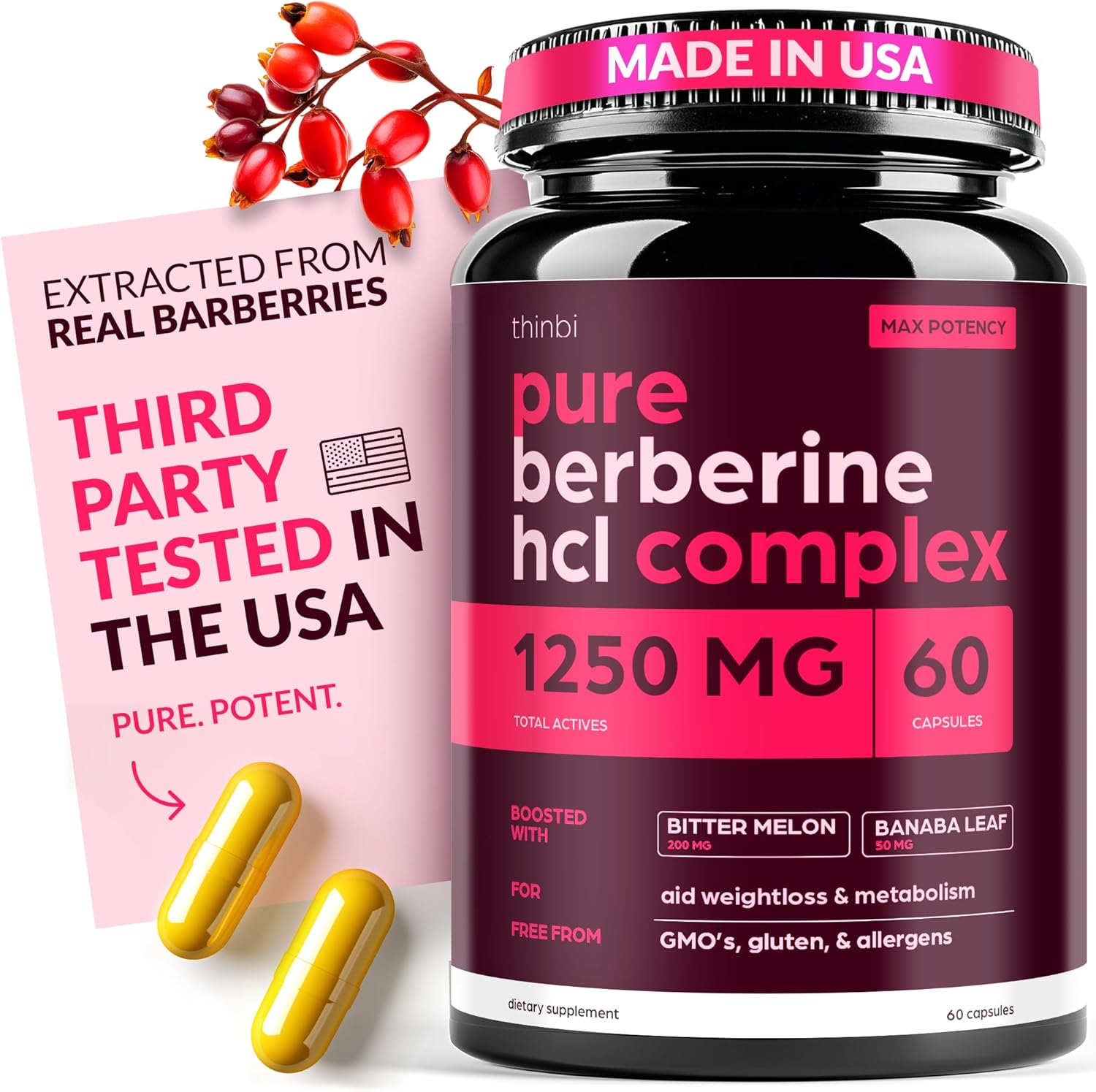
For centuries, berberine has been a staple in Traditional Chinese Medicine (TCM) and Ayurveda, used to treat infections, digestive issues, and even diabetes. Today, it’s available in modern forms like berberine HCl, berberine sulfate, and blends combined with inositol or other compounds.
How Berberine Works in the Body
Berberine’s popularity isn’t just hype—it’s backed by fascinating science. Here’s how it works:
- AMPK Activation: Berberine activates AMP-activated protein kinase (AMPK), often called the "metabolic master switch." AMPK plays a crucial role in regulating energy balance, fat storage, and glucose metabolism.
- GLP-1 Modulation: Like Ozempic, berberine influences glucagon-like peptide-1 (GLP-1), a hormone that helps regulate blood sugar and appetite.
- Gut Microbiome Support: Berberine may increase beneficial gut bacteria like Akkermansia muciniphila, which is linked to improved metabolic health.
These mechanisms explain why berberine is being studied for conditions like diabetes, obesity, and high cholesterol. But how does it stack up against prescription drugs like Ozempic or metformin? Let’s explore.
---Why Is Berberine Trending in 2026? The Viral Phenomenon Explained
The "Natural Ozempic" Hype on Social Media
Berberine’s rise to fame can be traced back to social media. The #BerberineChallenge on TikTok has amassed over 5 million views, with users sharing their before-and-after weight loss results and blood sugar improvements. Hashtags like #NatureOzempic and #BerberineWeightLoss have further fueled its popularity.
Influencers and celebrities have also jumped on the trend. Wellness experts like @thewellnessnerd and Dr. Aviva Romm have praised berberine’s potential, while podcasts like the Huberman Lab have explored its science-backed benefits. Even Gwyneth Paltrow’s Goop has featured berberine in its wellness guides.
Scientific Buzz: What’s New in 2025–2026?
Berberine isn’t just a social media sensation—it’s also making waves in the scientific community. Here’s what’s new:
- 2025 Meta-Analysis: A study published in the Journal of Ethnopharmacology found that berberine can lower HbA1c levels by ~1%, a significant reduction for people with prediabetes or type 2 diabetes.
- 2026 Gut Health Study: Research suggests berberine may increase Akkermansia muciniphila, a gut bacterium linked to improved metabolic health and reduced inflammation.
- Emerging Research: Scientists are exploring berberine’s potential for:
- NAFLD (non-alcoholic fatty liver disease).
- PCOS and insulin resistance.
- Anti-inflammatory effects (reducing CRP and IL-6 levels).
Product Launches & Market Growth
The berberine market is booming. Top brands like Thorne, Pure Encapsulations, and NOW Foods have launched high-quality berberine supplements, and Amazon bestsellers now feature products with over 1,000 reviews and 4.5+ star ratings.
But is berberine worth the hype? Let’s dive into the science-backed benefits.
---Berberine Benefits: What Does the Science Say?
1. Blood Sugar Control (Diabetes & Prediabetes)
One of berberine’s most well-studied benefits is its ability to lower blood sugar levels. Here’s how it works:
- AMPK Activation: Berberine activates AMPK, which helps cells take up glucose more efficiently, reducing blood sugar levels.
- GLP-1 Modulation: Like Ozempic, berberine influences GLP-1, a hormone that slows digestion and reduces appetite.
- Insulin Sensitivity: Berberine may improve insulin sensitivity, making it easier for your body to use glucose for energy.
Evidence:
- A 2025 meta-analysis found that berberine can lower fasting glucose levels by ~20–30 mg/dL and HbA1c by ~0.5–1%.
- Compared to metformin, a common diabetes drug, berberine is milder but may be a useful adjunct therapy for prediabetes or mild type 2 diabetes.
Who might benefit?
- People with prediabetes.
- Those with mild type 2 diabetes (as a complementary therapy).
Featured Snippet: Can berberine replace metformin?
No. While berberine has similar mechanisms to metformin, it is not a replacement for prescription diabetes medications. However, it may be a useful complementary therapy for mild cases.
2. Weight Loss: Can Berberine Help You Shed Pounds?
Berberine’s potential for weight loss has made it a viral sensation. Here’s what the science says:
- Mechanism: Berberine may reduce visceral fat (the dangerous fat around your organs) and increase fat oxidation (the process of burning fat for energy).
- Evidence:
- A 2026 study found that participants lost ~2–5% of their body weight over 12 weeks when taking berberine, compared to a placebo.
- Compared to Ozempic, berberine is less potent but has fewer side effects.
Realistic Expectations:
- Berberine is not a magic pill. It works best when combined with a healthy diet and exercise.
- Expect 2–5% body weight loss over 12 weeks, depending on your lifestyle.
Featured Snippet: Does berberine work for weight loss?
Yes, but it’s not a miracle solution. Berberine may help you lose 2–5% of your body weight over 12 weeks when combined with diet and exercise. It’s less potent than Ozempic but has fewer side effects.
3. Cholesterol & Heart Health
Berberine may also support heart health by improving cholesterol levels. Here’s how:
- Mechanism: Berberine lowers LDL ("bad" cholesterol) and triglycerides while potentially raising HDL ("good" cholesterol).
- Evidence:
- A 2025 meta-analysis found that berberine can reduce LDL by ~10–20% and triglycerides by ~15–30%.
- Compared to statins, berberine is weaker but may be a good option for people with mildly elevated cholesterol.
Who might benefit?
- People with mildly elevated cholesterol.
- Those who can’t tolerate statins due to side effects.
4. Gut Health & Microbiome Support
Your gut microbiome plays a crucial role in overall health, and berberine may help support it. Here’s what you need to know:
- Mechanism: Berberine has antimicrobial effects, which may help balance gut bacteria. It also increases Akkermansia muciniphila, a beneficial bacterium linked to metabolic health.
- Evidence:
- A 2026 study found that berberine may reduce lipopolysaccharides (LPS), compounds linked to inflammation and metabolic disorders.
- Anecdotal reports suggest berberine may improve symptoms of bloating and IBS.
Limitations: More human trials are needed to confirm these effects.
5. Anti-Inflammatory & Other Potential Benefits
Berberine’s potential benefits extend beyond metabolic health. Emerging research is exploring its effects on:
- PCOS: Berberine may improve insulin resistance, a common issue in PCOS.
- NAFLD: Early studies suggest berberine may help reduce liver fat.
- Antimicrobial Effects: Berberine has been used historically to treat infections.
Caveats: Most of this research is based on animal or lab studies. Human data is still limited.
---Berberine Side Effects & Risks: What You Need to Know
Common Side Effects
While berberine is generally safe for short-term use, it can cause side effects, especially at higher doses. The most common ones include:
- Gastrointestinal Issues:
- Nausea
- Cramping
- Diarrhea
- How to Minimize Side Effects:
- Take berberine with meals to improve absorption and reduce GI discomfort.
- Start with a low dose (500mg/day) and gradually increase.
- Other Mild Effects:
- Headaches
- Dizziness (rare)
Serious Risks & Contraindications
Berberine isn’t for everyone. Here are the serious risks and contraindications to consider:
- Drug Interactions:
- Cytochrome P450 Enzymes: Berberine may interfere with medications metabolized by these enzymes, including:
- Statins (e.g., atorvastatin)
- Antidepressants (e.g., SSRIs)
- Immunosuppressants (e.g., cyclosporine)
- Diabetes Medications: Berberine may enhance the effects of insulin or metformin, increasing the risk of hypoglycemia (low blood sugar). Monitor your blood sugar closely if you’re taking these medications.
- Cytochrome P450 Enzymes: Berberine may interfere with medications metabolized by these enzymes, including:
- Who Should Avoid Berberine?:
- Pregnant or Breastfeeding Women: Berberine may stimulate uterine contractions and is not safe during pregnancy.
- People with Liver or Kidney Disease: Berberine is metabolized in the liver and excreted by the kidneys. If you have liver or kidney issues, consult a healthcare provider before use.
- Children: The safety of berberine in children has not been established.
- Long-Term Safety: There’s no data on berberine’s safety beyond 12 weeks of use. Experts recommend cycling berberine (e.g., 8 weeks on, 4 weeks off) to minimize risks.
Berberine vs. Prescription Drugs: A Reality Check
| Factor | Berberine | Ozempic/Metformin |
|---|---|---|
| Mechanism | AMPK/GLP-1 modulation | GLP-1 agonist (Ozempic), biguanide (metformin) |
| Effectiveness | Mild-moderate | Strong |
| Side Effects | GI upset, rare liver issues | GI upset, pancreatitis (Ozempic) |
| Cost | $20–$50/month | $800–$1,500/month (Ozempic) |
| Accessibility | Over-the-counter | Prescription-only |
How to Take Berberine: Dosage, Timing & Best Practices
Recommended Dosage
Berberine’s effectiveness depends on taking the right dose. Here’s what you need to know:
- General Guidelines:
- Start with 500mg/day to assess tolerance.
- Gradually increase to 500mg 2–3 times per day.
- Maximum Dose: 1.5g/day (higher doses increase the risk of side effects).
- For Specific Goals:
- Blood Sugar Control: 500mg 3 times per day.
- Weight Loss: 500mg 2 times per day (with meals).
- Cholesterol: 500mg 2 times per day.
Best Time to Take Berberine
Timing matters when it comes to berberine. Here’s how to optimize absorption and minimize side effects:
- With Meals: Taking berberine with food improves absorption and reduces GI side effects.
- Avoid Taking at Night: Berberine may have an energizing effect for some people, potentially disrupting sleep.
How Long Does Berberine Take to Work?
Berberine isn’t an overnight solution. Here’s what to expect:
- Blood Sugar: 1–2 weeks.
- Weight Loss: 4–8 weeks.
- Cholesterol: 4–6 weeks.
Cycling Berberine: Should You Take Breaks?
Because there’s no long-term safety data for berberine, experts recommend cycling it. Here’s how:
- Recommendation: Take berberine for 8 weeks, then take a 4-week break.
- Why Cycle?:
- Prevents tolerance (your body may become less responsive over time).
- Reduces the risk of side effects.
Best Berberine Supplements in 2026 (Top Brands Reviewed)
Not all berberine supplements are created equal. Here’s a breakdown of the top brands in 2026:
| Brand | Form | Dose | Price | Pros | Cons |
|---|---|---|---|---|---|
| Thorne Berberine-500 | Berberine HCl | 500mg | ~$40 (60 caps) | High purity, third-party tested | Expensive |
| Pure Encapsulations | Berberine HCl | 500mg | ~$35 (60 caps) | Hypoallergenic, NSF-certified | Limited availability |
| NOW Foods Berberine | Berberine HCl + Inositol | 400mg + 100mg | ~$20 (90 caps) | Affordable, good reviews | Lower dose of berberine |
| Life Extension | Berberine HCl | 500mg | ~$25 (60 caps) | Budget-friendly, GMP-certified | Some reports of GI upset |
Buying Tips:
- Look for berberine HCl or berberine sulfate (avoid "proprietary blends" with unknown doses).
- Check for third-party testing (NSF, USP, or Informed Choice).
- Avoid supplements with fillers, binders, or artificial additives.
Berberine FAQs: Your Top Questions Answered
1. Is Berberine Really Like Ozempic?
Answer: No. While berberine and Ozempic share some mechanisms (like GLP-1 modulation), berberine is much weaker. Ozempic is a prescription GLP-1 agonist designed for significant weight loss and blood sugar control, while berberine is a natural supplement with milder effects.
2. Can I Take Berberine with Metformin?
Answer: Caution is advised. Berberine may enhance metformin’s effects, increasing the risk of hypoglycemia (low blood sugar). If you’re taking both, monitor your blood sugar closely and consult a healthcare provider.
3. How Fast Does Berberine Work for Weight Loss?
Answer: Berberine may take 4–8 weeks to show noticeable weight loss results. It works best when combined with a healthy diet and exercise. Expect to lose 2–5% of your body weight over 12 weeks.
4. What’s the Best Form of Berberine?
Answer: Berberine HCl is the most studied and bioavailable form. Avoid berberine sulfate (less research) or proprietary blends with unknown doses.
5. Are There Natural Alternatives to Berberine?
Answer: Yes, but they have less evidence. Some alternatives include:
- Cinnamon: May help lower blood sugar.
- Fenugreek: May improve insulin sensitivity.
- Bitter Melon: Used in traditional medicine for diabetes.
6. Can Berberine Cause Liver Damage?
Answer: Rarely, but possible. High doses (>1.5g/day) may elevate liver enzymes. If you have a pre-existing liver condition, monitor your liver function while taking berberine.
7. Is Berberine Safe for Long-Term Use?
Answer: There’s no long-term safety data for berberine. Experts recommend cycling it (e.g., 8 weeks on, 4 weeks off) to minimize risks.
8. Where Can I Buy High-Quality Berberine?
Answer: Here are the best places to buy:
- Amazon: Check reviews and seller ratings.
- Brand Websites: Thorne, Pure Encapsulations, NOW Foods.
- Health Food Stores: Whole Foods, GNC.
Red Flags: Avoid products without third-party testing, "proprietary blend" labels, or suspiciously low prices.
9. Can Berberine Help with PCOS?
Answer: Emerging research suggests berberine may improve insulin resistance, a common issue in PCOS. However, more human trials are needed. If you have PCOS, consult a healthcare provider before trying berberine.
10. Does Berberine Interact with Birth Control?
Answer: There’s no direct evidence that berberine interacts with birth control. However, berberine may affect cytochrome P450 enzymes, which could theoretically interfere with hormone metabolism. Consult a healthcare provider if you’re concerned.
11. Can I Take Berberine on an Empty Stomach?
Answer: It’s best to take berberine with meals to improve absorption and reduce GI side effects. Taking it on an empty stomach may increase the risk of nausea or cramping.
12. Does Berberine Affect Blood Pressure?
Answer: Some studies suggest berberine may have a mild blood pressure-lowering effect, but the evidence is limited. If you have low blood pressure or are on blood pressure medications, monitor your levels closely.
13. Can Berberine Help with SIBO?
Answer: Berberine has antimicrobial properties that may help balance gut bacteria. Some anecdotal reports suggest it may improve symptoms of SIBO (small intestinal bacterial overgrowth), but more research is needed.
14. Is Berberine Safe for Kids?
Answer: The safety of berberine in children has not been established. It’s best to avoid giving berberine to kids unless under the guidance of a healthcare provider.
15. Can Berberine Cause Constipation?
Answer: While berberine is more likely to cause diarrhea, some users report constipation. Staying hydrated and eating a fiber-rich diet may help.
---Expert Opinions: What Do Doctors & Nutritionists Say About Berberine?
The Optimistic View
- Dr. Aviva Romm (MD, Herbalist): "Berberine is one of the most promising herbal supplements for metabolic health, but it’s not a replacement for lifestyle changes. It’s a tool, not a miracle."
- Dr. Peter Attia (Longevity Expert): "Berberine’s AMPK activation is fascinating, but we need more long-term data to fully understand its potential."
The Cautious View
- Dr. Andrew Weil (Integrative Medicine): "Berberine can be helpful for blood sugar, but it’s not a miracle cure. Don’t expect Ozempic-level results."
- FDA Stance: "Berberine is not approved for treating diabetes or weight loss. Always consult a healthcare provider before starting any new supplement."
The Bottom Line from Experts
- Pros: Safe for short-term use, may help with mild metabolic issues.
- Cons: Not a substitute for prescription drugs, limited long-term data.
Berberine Success Stories: Real People, Real Results
Weight Loss Before & After
Case Study 1: Sarah, 34
"I lost 12 lbs in 3 months by taking berberine and following a keto diet. My energy levels improved, and my cravings disappeared. It wasn’t easy, but berberine definitely helped!"
Disclaimer: Results vary. Berberine works best when combined with diet and exercise.
Case Study 2: Mark, 45
"I didn’t lose much weight, but my blood sugar levels stabilized. I’m prediabetic, and berberine helped me avoid medication."
Blood Sugar & Cholesterol Improvements
Case Study 3: Linda, 52
"My HbA1c dropped from 6.5% to 5.8% in just 2 months. My doctor was shocked—I didn’t change my diet much, but berberine made a big difference."
Case Study 4: James, 40
"My LDL cholesterol dropped 25 points in 6 weeks. I also lost 5 lbs without trying. I’m impressed!"
The Flip Side: When Berberine Didn’t Work
Case Study 5: Emma, 28
"I took berberine for 2 months and saw no change in my weight or blood sugar. It was a waste of money for me."
Case Study 6: David, 50
"I had terrible stomach cramps and diarrhea after just 2 weeks. I had to stop taking it."
Key Takeaway: Berberine works best for mild cases and as part of a healthy lifestyle. Results vary, and it’s not a magic solution.
---The Future of Berberine: What’s Next?
Emerging Research in 2026–2027
Berberine’s potential is far from fully explored. Here’s what’s on the horizon:
- NAFLD (Fatty Liver Disease): Early studies suggest berberine may help reduce liver fat and inflammation.
- PCOS: More trials are exploring berberine’s effects on insulin resistance and hormonal balance.
- Gut Microbiome: Researchers are studying how berberine alters gut bacteria long-term and its potential for conditions like IBS and SIBO.
Will Berberine Stay Trendy?
Predictions:
- Short-Term: More viral trends, product launches, and influencer endorsements.
- Long-Term: Berberine may fade if stronger alternatives emerge (e.g., next-gen GLP-1 drugs or synthetic supplements).
Competitors to Watch:
- Lion’s Mane: A mushroom supplement gaining traction for cognitive health.
- NMN/NR: Nicotinamide mononucleotide and riboside, popular for longevity.
- New Synthetic Supplements: Emerging compounds designed to mimic prescription drugs with fewer side effects.
How to Stay Updated on Berberine Research
Want to keep up with the latest berberine research? Follow these sources:
- PubMed ([pubmed.ncbi.nlm.nih.gov](https://pubmed.ncbi.nlm.nih.gov)): For peer-reviewed studies.
- Examine.com ([examine.com/supplements/berberine](https://examine.com/supplements/berberine)): For science-backed supplement guides.
- Google Scholar: For emerging research.
- r/supplements (Reddit): For user experiences and discussions.
Conclusion: Should You Try Berberine in 2026?
Who Might Benefit from Berberine?
Berberine may be worth trying if you:
- Have prediabetes or mild type 2 diabetes.
- Struggle with mildly elevated cholesterol.
- Want a natural adjunct to diet and exercise for weight loss.
Who Should Avoid Berberine?
Avoid berberine if you:
- Are pregnant or breastfeeding.
- Take medications that interact with berberine (e.g., statins, antidepressants, diabetes drugs).
- Have liver or kidney disease.
Final Verdict: Berberine in 2026
✅ Worth Trying If:
- You have mild metabolic issues.
- You’re looking for a natural supplement (not a prescription replacement).
- You’re willing to monitor effects and cycle usage.
❌ Skip If:
- You expect Ozempic-level results.
- You have serious health conditions (consult a doctor first).
- You’re pregnant or on interacting medications.
Actionable Next Steps:
- Start with 500mg/day and monitor your tolerance.
- Track your blood sugar or cholesterol if using berberine for metabolic health.
- Combine with lifestyle changes (diet, exercise, sleep).
- Consult a healthcare provider before starting berberine.
Medical Disclaimer: This article is for educational purposes only and is not a substitute for professional medical advice. Always consult a healthcare provider before starting any new supplement or treatment.
---Further Reading & Resources
Want to dive deeper into berberine? Check out these resources:
- Scientific Studies:
- 2025 Meta-Analysis on Berberine and Diabetes (Journal of Ethnopharmacology).
- 2026 Gut Microbiome Study (Nature Microbiology).
- Expert Guides:
- Buying Guides:
Call to Action:
Ready to try berberine? Check out our top-rated berberine supplements here or subscribe to our newsletter for more science-backed health insights!