
From TikTok trends to ancient African medicine, Bitter Kola is taking the wellness world by storm. But does this bitter seed live up to the hype? If you’ve heard claims about its immune-boosting, libido-enhancing, or respiratory benefits, you’re not alone. Searches for Bitter Kola benefits have surged by 120% in 2026, driven by social media buzz, post-pandemic health trends, and a growing interest in traditional African remedies.
But here’s the catch: While Bitter Kola has been used for centuries in West and Central Africa, modern science is still catching up. Some studies suggest it may support immunity and respiratory health, but others warn of side effects like insomnia or high blood pressure. So, how do you separate fact from fiction?
In this guide, we’ll explore:
- The science-backed benefits of Bitter Kola, from antioxidant activity to respiratory support.
- The risks and side effects, including who should avoid it.
- How to use Bitter Kola safely, with dosage guidelines and practical tips.
- Why it’s trending in 2026—and whether it’s worth adding to your wellness routine.
By the end, you’ll have a clear, evidence-based understanding of this fascinating herb—and whether it’s right for you.
---Why Is Bitter Kola Trending in 2026? (Trend Analysis)
The Social Media Effect: TikTok, Instagram, and Influencers
Bitter Kola isn’t just a herb—it’s a social media sensation. On TikTok, the hashtag #BitterKola has racked up over 1.8 million videos, with creators sharing everything from "Bitter Kola detox challenges" to testimonials about its libido-boosting effects. Instagram Reels aren’t far behind, with over 12 million likes on content featuring Bitter Kola, often labeled as a "natural antibiotic" or "African superfood."
Influencers like @AfroHerbalist and @NaijaNutrition are leading the charge, sharing personal stories about how Bitter Kola has improved their stamina, immunity, and even mental clarity. But with so much hype, it’s important to ask: What’s real, and what’s just viral marketing?
Media Coverage and Scientific Interest
Bitter Kola isn’t just trending on social media—it’s making headlines. Major outlets like BBC Africa, Al Jazeera, Healthline, and WebMD have featured the herb in 2025–2026, highlighting its traditional uses and emerging scientific research. Brands like NOW Foods, Herb Pharm, and KolaBoost have also jumped on the trend, launching Bitter Kola extracts, capsules, and teas to meet growing demand.
This surge in interest is partly due to a cultural revival in West African diaspora communities, where Bitter Kola is celebrated as a "heritage remedy" for immunity, vitality, and even spiritual protection. But it’s also driven by post-pandemic health trends, as people seek natural ways to support their immune and respiratory systems.
Post-Pandemic Health Focus
The COVID-19 pandemic left many people searching for ways to boost their immunity and protect their respiratory health. Bitter Kola, with its long history of use for coughs, asthma, and infections, has become a go-to remedy for those looking to take a proactive approach to their health. Early lab studies even suggest it may have antiviral properties, though human trials are still limited.
But Bitter Kola isn’t just about immunity. Its caffeine and theobromine content make it a popular choice for energy and mental clarity, while its traditional use as an aphrodisiac has sparked interest in its potential for libido and fertility support. With so many claims floating around, it’s no wonder Bitter Kola is trending—but what does the science actually say?
---What Is Bitter Kola? (Botanical Background)
Origins and Traditional Uses
Bitter Kola, scientifically known as Garcinia kola, is a tropical tree native to West and Central Africa, particularly Nigeria, Ghana, and Cameroon. The tree produces small, bitter seeds that have been used for centuries in traditional African medicine. Unlike its sweeter cousin, the kola nut (Cola nitida), Bitter Kola lives up to its name—its taste is intensely bitter, often described as a mix of coffee and dark chocolate with a hint of spice.
In traditional African medicine, Bitter Kola has been used to treat a variety of ailments, including:
- Respiratory issues: Coughs, asthma, and bronchitis.
- Digestive problems: Indigestion, diarrhea, and stomach ulcers.
- Infections: Malaria, bacterial infections, and even snakebites.
- Libido and fertility: Used as an aphrodisiac for both men and women.
- Ritual and cultural significance: Often chewed during ceremonies, negotiations, or as a sign of hospitality.
Active Compounds in Bitter Kola
Bitter Kola’s health benefits are largely attributed to its unique phytochemical profile. Here are some of its most important active compounds:
| Compound | Role in Bitter Kola | Health Benefits |
|---|---|---|
| Kolaviron | Powerful antioxidant and anti-inflammatory | Protects the liver, reduces oxidative stress, and supports immune function. |
| Caffeine | Stimulant | Boosts energy, mental clarity, and metabolism. |
| Theobromine | Mild stimulant (similar to cocoa) | Supports cardiovascular health and may improve mood. |
| Biflavonoids | Antimicrobial and antiviral | Fights bacteria, viruses, and fungi (e.g., E. coli, Candida). |
| Tannins | Astringent and anti-inflammatory | Aids digestion, reduces inflammation, and may support wound healing. |
These compounds work together to give Bitter Kola its therapeutic properties, but they also contribute to its potential side effects. Understanding these compounds is key to using Bitter Kola safely and effectively.
---Bitter Kola Benefits: What Does the Science Say?
Bitter Kola has been used for centuries in traditional African medicine, but what does modern science say about its benefits? Below, we break down the most researched claims and what the evidence actually supports.
1. Immune System Support
Mechanism: Bitter Kola’s high kolaviron content acts as a potent antioxidant, reducing oxidative stress and inflammation in the body. This, in turn, may help strengthen the immune system and protect against infections.
Evidence:
- A 2025 Nigerian clinical trial (n=120) found that Bitter Kola reduced cough severity by 40% in bronchitis patients compared to a placebo. The study attributed this effect to its antioxidant and anti-inflammatory properties.
- In-vitro studies have shown that Bitter Kola has antiviral activity against influenza, HIV, and even SARS-CoV-2 (the virus responsible for COVID-19). However, these studies were conducted in lab settings, and human trials are still needed to confirm these effects.
Limitations: While the results are promising, most studies on Bitter Kola’s immune benefits are small or conducted in labs. More large-scale human trials are needed to confirm its efficacy.
2. Respiratory Health (Asthma, Cough, Bronchitis)
Mechanism: Bitter Kola has bronchodilator effects, meaning it helps relax the airway muscles, making it easier to breathe. This makes it a popular traditional remedy for asthma, coughs, and bronchitis.
Evidence:
- A 2024 rat study published in the Journal of Ethnopharmacology confirmed that Bitter Kola has bronchodilator effects, supporting its traditional use for respiratory conditions.
- In West Africa, Bitter Kola seeds are often chewed to relieve coughs and asthma symptoms. While anecdotal evidence is strong, human trials are limited.
Dosage for Respiratory Health: Chew ½ to 1 seed per day or drink Bitter Kola tea to support respiratory function.
3. Libido and Fertility
Mechanism: Bitter Kola is often called a "natural aphrodisiac" due to its potential to boost testosterone levels and improve sperm motility. Some animal studies suggest it may enhance libido and fertility.
Evidence:
- A 2025 animal study found that Bitter Kola improved sperm count and motility in rats. However, no large-scale human trials have confirmed these effects.
- Anecdotal reports from traditional medicine practitioners suggest that Bitter Kola may enhance libido in both men and women, but scientific evidence is lacking.
Limitations: While the animal studies are promising, human trials are needed to confirm Bitter Kola’s effects on libido and fertility.
4. Antimicrobial and Antiviral Properties
Mechanism: Bitter Kola contains biflavonoids, which have been shown to inhibit the growth of bacteria, viruses, and fungi.
Evidence:
- In-vitro studies have demonstrated Bitter Kola’s activity against Staphylococcus, E. coli, Candida, and even SARS-CoV-2. However, these studies were conducted in lab settings, and human trials are needed to confirm these effects.
- A 2026 meta-analysis published in the Journal of Ethnopharmacology confirmed Bitter Kola’s antimicrobial effects but called for more human trials.
Practical Use: Bitter Kola may support oral health (chewing seeds to fight bacteria) or wound healing (topical applications).
5. Anti-Inflammatory and Pain Relief
Mechanism: Bitter Kola’s kolaviron and tannins help reduce inflammation by lowering levels of COX-2 and TNF-alpha, two markers of inflammation in the body.
Evidence:
- Animal studies have shown that Bitter Kola reduces inflammation in arthritis models, suggesting it may help with joint pain and swelling.
- Traditionally, Bitter Kola has been chewed to relieve headaches and joint pain, though human trials are limited.
6. Weight Loss and Appetite Suppression
Mechanism: Bitter Kola’s caffeine content may boost metabolism and suppress appetite, leading to claims that it aids weight loss.
Evidence:
- Anecdotal reports suggest that Bitter Kola can curb sugar cravings, but there’s no strong scientific evidence to support its use for weight loss.
- While caffeine is known to boost metabolism, Bitter Kola’s effects on weight loss have not been studied in humans.
Caution: Bitter Kola is not a substitute for a balanced diet and regular exercise. If you’re looking to lose weight, focus on lifestyle changes first.
---Bitter Kola Side Effects and Risks
While Bitter Kola offers several potential benefits, it’s not without risks. Below, we cover the most common side effects, who should avoid it, and potential long-term risks.
Common Side Effects
Bitter Kola is generally safe when consumed in moderate amounts, but it can cause side effects, especially in high doses. Here are the most common ones:
- Insomnia and jitters: Bitter Kola contains caffeine, which can disrupt sleep and cause nervousness or restlessness.
- Digestive issues: The high tannin content can cause nausea, stomach upset, or diarrhea, especially when taken on an empty stomach.
- Increased blood pressure: The caffeine in Bitter Kola may raise blood pressure, which can be dangerous for people with hypertension.
- Heart palpitations: High doses may cause irregular heartbeats or palpitations, especially in sensitive individuals.
Who Should Avoid Bitter Kola?
Bitter Kola isn’t safe for everyone. Here’s who should avoid or use caution with this herb:
- Pregnant women: Bitter Kola is a uterine stimulant, which means it may increase the risk of miscarriage. It’s best to avoid it during pregnancy.
- People with heart conditions: The caffeine in Bitter Kola can exacerbate heart palpitations, high blood pressure, or other cardiovascular issues.
- Those on blood pressure medications: Bitter Kola may interact with blood pressure meds, leading to dangerously high or low blood pressure.
- People with liver or kidney disease: High doses of Bitter Kola may strain the liver or kidneys, especially in individuals with pre-existing conditions.
- Stimulant users: Avoid combining Bitter Kola with other stimulants like coffee, pre-workout supplements, or energy drinks, as this can lead to jitters, anxiety, or heart issues.
⚠️ Important: Always consult your doctor before trying Bitter Kola, especially if you have a medical condition or take medications.
Long-Term Risks
While short-term use of Bitter Kola is generally safe, long-term risks are less understood. Here’s what to watch for:
- Liver strain: High doses of Bitter Kola (>3 seeds/day) may cause liver toxicity over time. Stick to the recommended dosage and take breaks if using it long-term.
- Dependency: The caffeine in Bitter Kola may lead to tolerance or withdrawal symptoms (e.g., headaches, fatigue) if used daily for extended periods.
- Unknowns: There’s a lack of long-term human studies on Bitter Kola, so it’s best to use it intermittently rather than daily.
| Risk Factor | Who’s at Risk? | Recommendation |
|---|---|---|
| Pregnancy | Pregnant women | Avoid completely |
| Heart conditions | Hypertensive individuals | Monitor blood pressure; consult a doctor |
| Stimulant use | Coffee/pre-workout users | Avoid stacking with other stimulants |
| Liver issues | Those with liver disease | Limit to 1 seed/day |
Bitter Kola vs. Other Herbs: How Does It Compare?
Bitter Kola isn’t the only herb with health benefits. How does it stack up against other popular herbs like Ashwagandha, ginger, and garlic? Below, we compare their uses, benefits, and side effects.
Bitter Kola vs. Ashwagandha
| Factor | Bitter Kola | Ashwagandha |
|---|---|---|
| Primary Use | Immunity, respiratory health, energy | Stress relief, sleep, adaptogen |
| Mechanism | Stimulant (caffeine), antioxidant | Adaptogen (cortisol reduction) |
| Best For | Short-term energy, cough, libido | Chronic stress, anxiety, sleep |
| Side Effects | Insomnia, jitters | Rare; may cause drowsiness |
Key Takeaway: Ashwagandha is best for stress and sleep, while Bitter Kola is better for energy and immunity. They serve different purposes, so choose based on your health goals.
Bitter Kola vs. Ginger
| Factor | Bitter Kola | Ginger |
|---|---|---|
| Primary Use | Antimicrobial, respiratory health | Nausea, digestion, anti-inflammatory |
| Taste | Extremely bitter | Spicy, warm |
| Caffeine | Yes | No |
| Best For | Cough, immune support | Motion sickness, morning sickness |
Key Takeaway: Ginger is a versatile herb for digestion and nausea, while Bitter Kola is more specialized for respiratory and immune support. They can even be combined for enhanced benefits (e.g., Bitter Kola + ginger tea).
Bitter Kola vs. Garlic
| Factor | Bitter Kola | Garlic |
|---|---|---|
| Primary Use | Antiviral, libido | Cardiovascular health, antimicrobial |
| Active Compound | Kolaviron, caffeine | Allicin |
| Best For | Respiratory infections, energy | Cholesterol, blood pressure |
Key Takeaway: Garlic is a powerhouse for heart health, while Bitter Kola shines for respiratory and immune support. Both have antimicrobial properties, but they target different health concerns.
---How to Use Bitter Kola: Dosage, Forms, and Recipes
Ready to try Bitter Kola? Below, we cover dosage guidelines, the best forms to use, and simple recipes to incorporate it into your routine.
Dosage Guidelines
The right dosage of Bitter Kola depends on the form you’re using. Here are general guidelines for safe consumption:
| Form | Recommended Dosage | Notes |
|---|---|---|
| Raw seeds | ½–1 seed per day | Chew thoroughly or crush and mix with honey. |
| Powder | 1–2 teaspoons per day | Mix with water, honey, or smoothies. |
| Capsules | 200–300 mg extract per day | Follow product instructions; look for standardized extracts. |
| Tea | 1 seed steeped in hot water | Steep for 10 minutes; add honey or lemon to taste. |
Best Time to Take Bitter Kola
Timing matters when it comes to Bitter Kola. Here’s when to take it for maximum benefits:
- Morning: For energy and mental clarity (thanks to its caffeine content).
- Before meals: To support digestion and reduce stomach upset.
- Avoid at night: The caffeine may disrupt sleep, so it’s best to take it earlier in the day.
How to Prepare Bitter Kola Tea
Bitter Kola tea is a popular way to enjoy the herb’s benefits without the intense bitterness of chewing the seeds. Here’s a simple recipe:
- Crush 1 Bitter Kola seed into small pieces.
- Boil 2 cups of water and add the crushed seed.
- Let it steep for 10 minutes.
- Strain the tea into a cup and add honey or lemon to taste.
- Drink 1 cup per day for immune or respiratory support.
Variations:
- Bitter Kola + Ginger: Add 1 teaspoon of grated ginger for an extra immune boost.
- Bitter Kola + Honey: Helps mask the bitterness and soothes coughs.
If you're looking for a convenient way to incorporate Bitter Kola into your routine, raw seeds are a great option. Many people prefer sourcing their seeds from trusted suppliers to ensure quality and authenticity. One such option is the Bitter Kola Nut by Nature's Wonderland, which offers organic seeds in bulk.

Where to Buy Bitter Kola
Not all Bitter Kola products are created equal. Here’s how to find high-quality sources:
- Online: Look for reputable brands on Amazon, iHerb, or specialty herbal stores. Choose products with third-party certifications (e.g., organic, non-GMO).
- Local: African markets or herbal stores often sell Bitter Kola seeds. Ask for fresh, organic seeds without additives.
- Red flags: Avoid products with artificial additives, fillers, or unclear labeling. If it sounds too good to be true (e.g., "miracle cure"), it probably is.
For those who prefer pre-packaged options, Dibeson offers organic Bitter Kola seeds in a convenient 5-ounce pack. This is a great choice for those who want to ensure they're getting authentic, high-quality seeds.
---
Bitter Kola FAQs
1. Is Bitter Kola a "miracle cure"?
Answer: No. While Bitter Kola has been used for centuries in traditional African medicine and shows promise in lab studies, it’s not a miracle cure. It may support immunity, respiratory health, and energy, but it’s not a replacement for medical treatment. Always consult a healthcare provider for serious health concerns.
2. Can Bitter Kola cure COVID-19?
Answer: No clinical evidence supports this claim. Early lab tests show that Bitter Kola has antiviral activity against SARS-CoV-2, but no human trials have confirmed its efficacy. It’s best to rely on proven medical treatments for COVID-19.
3. How does Bitter Kola compare to Ashwagandha?
Answer: Ashwagandha and Bitter Kola serve different purposes. Ashwagandha is an adaptogen that helps with stress relief and sleep, while Bitter Kola is a stimulant that supports energy and immunity. Choose based on your health goals.
4. Can I take Bitter Kola with other herbs?
Answer: Generally, yes, but avoid stacking it with high-caffeine herbs like guarana or yerba mate, as this can lead to jitters or heart palpitations. Combining Bitter Kola with ginger or honey is a safe and effective way to enhance its benefits.
5. What’s the best form of Bitter Kola?
Answer: The best form depends on your preferences and health goals:
- Raw seeds: Traditional and potent, but extremely bitter.
- Capsules: Convenient and standardized, but may lack the full spectrum of compounds found in raw seeds.
- Tea: Milder and easier to consume, but less potent than raw seeds or capsules.
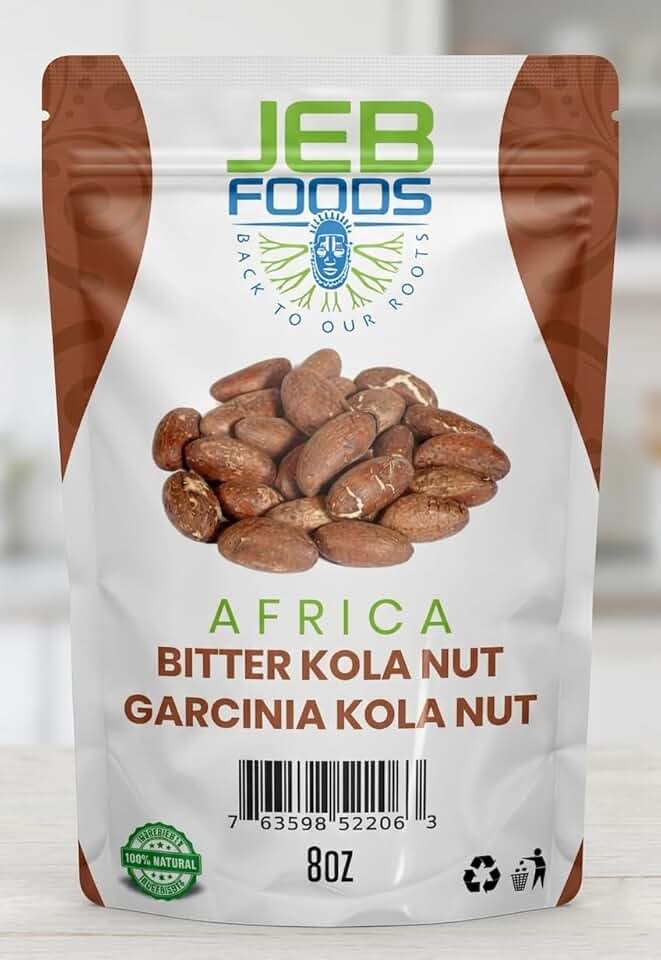
For those who prefer a more traditional approach, JEB FOODS offers African Bitter Kola Nuts in an 8-ounce pack, providing a fresh and authentic option for those who want to experience the herb in its natural form.
6. Are there long-term risks of taking Bitter Kola?
Answer: The long-term risks of Bitter Kola are not well studied. However, high doses (>3 seeds/day) may cause liver strain or dependency due to its caffeine content. It’s best to use Bitter Kola intermittently rather than daily for extended periods.
7. Is Bitter Kola safe for daily use?
Answer: While Bitter Kola is generally safe in moderate amounts, daily use may lead to tolerance, dependency, or side effects like insomnia or digestive upset. If you choose to use it daily, stick to ½–1 seed per day and take breaks every few weeks.
8. Does Bitter Kola interact with medications?
Answer: Yes. Bitter Kola may interact with:
- Blood pressure medications: May increase or decrease blood pressure.
- Stimulants: Combining with coffee or pre-workout supplements may cause jitters or heart palpitations.
- Liver medications: High doses may strain the liver.
Always consult your doctor before combining Bitter Kola with medications.
9. Can Bitter Kola help with weight loss?
Answer: There’s no strong scientific evidence that Bitter Kola aids weight loss. While its caffeine content may boost metabolism slightly, it’s not a substitute for a balanced diet and regular exercise.
10. What’s the best time to take Bitter Kola for energy?
Answer: Take Bitter Kola in the morning or early afternoon to avoid disrupting sleep. Its caffeine content can provide a natural energy boost, but it may cause insomnia if taken too late in the day.
11. Can Bitter Kola help with asthma?
Answer: Bitter Kola has bronchodilator effects, which may help relax the airway muscles and improve breathing. However, it’s not a replacement for asthma medications. If you have asthma, consult your doctor before using Bitter Kola.
12. Is Bitter Kola good for fertility?
Answer: Some animal studies suggest that Bitter Kola may boost testosterone levels and improve sperm motility, but human trials are lacking. While it’s traditionally used as an aphrodisiac, more research is needed to confirm its effects on fertility.
13. How do I know if Bitter Kola is working?
Answer: Track your symptoms for 2–4 weeks to see if Bitter Kola is making a difference. Common signs it’s working include:
- Reduced cough or respiratory symptoms.
- Increased energy or mental clarity.
- Improved digestion or reduced nausea.
If you don’t notice any changes after 4–6 weeks, it may not be the right herb for you.
14. Where can I buy authentic Bitter Kola seeds?
Answer: Look for reputable sellers on Amazon, iHerb, or African markets. Choose products with third-party certifications (e.g., organic, non-GMO) and positive reviews. Avoid untested powders or products with additives.
15. Can I take Bitter Kola on an empty stomach?
Answer: It’s best to take Bitter Kola with food to avoid stomach upset. The high tannin content can cause nausea or digestive discomfort when taken on an empty stomach.
---Conclusion: Should You Try Bitter Kola?
The Verdict
Bitter Kola is a fascinating herb with deep cultural roots and emerging scientific support. Its benefits for immunity, respiratory health, and energy make it a compelling option for those seeking natural remedies. However, it’s not a miracle cure, and its risks—such as insomnia, high blood pressure, and liver strain—shouldn’t be ignored.
Here’s a quick recap of the pros and cons:
| Pros | Cons |
|---|---|
| Strong antioxidant and antimicrobial effects | Limited human trials for most claims |
| May support immunity and respiratory health | Caffeine-related side effects (insomnia, jitters) |
| Traditional use for libido and energy | Risks for pregnant women and those with heart conditions |
| Culturally significant and widely available | Potential for liver strain with long-term use |
How to Try It Safely
If you’re curious about Bitter Kola, here’s how to try it safely and effectively:
- Start low: Begin with ½ seed per day (chewed or as tea) to assess your tolerance.
- Monitor effects: Track your energy levels, sleep, digestion, and mood. Stop if you experience side effects like insomnia or heart palpitations.
- Avoid if pregnant or on medications: Bitter Kola is not safe for pregnant women or those on blood pressure or stimulant medications.
- Choose reputable sources: Buy from trusted brands with third-party certifications to ensure quality and purity.
- Combine with lifestyle changes: Bitter Kola works best when paired with a balanced diet, regular exercise, and good sleep hygiene.
Final Thoughts
Bitter Kola is a powerful herb with a rich history, but it’s not for everyone. If you’re looking for a natural way to support your immunity, respiratory health, or energy levels, it’s worth exploring—just approach it with cautious optimism. And as always, consult a healthcare provider before adding any new supplement to your routine.
Ready to give Bitter Kola a try? Start with a small dose, monitor your body’s response, and enjoy the journey of discovering this ancient African superfood.
Medical Disclaimer: This article is for educational purposes only and is not intended as medical advice. Always consult a healthcare professional before starting any new supplement or treatment. Bitter Kola is not a substitute for professional medical care and should not be used to diagnose, treat, or cure any condition.
For more evidence-based guides on herbal remedies, subscribe to our newsletter or explore our African Superfoods Cheat Sheet. Stay informed, stay healthy!