
From TikTok cleanses to gut-healing gummies, licorice root is having a moment. But does this ancient herb live up to the hype? Searches for licorice root benefits have surged by 60% in 2026, driven by influencer endorsements, post-pandemic wellness trends, and emerging scientific research. Whether you’re curious about its gut-healing properties, stress-relief potential, or skin-brightening effects, licorice root is making waves in the natural health world.
But here’s the catch: While licorice root has been used for centuries in Traditional Chinese Medicine (TCM), Ayurveda, and Western herbalism, not all claims are backed by science. Some studies suggest it may support gut health and reduce inflammation, but others warn of side effects like high blood pressure and low potassium. So, how do you separate fact from fiction?
In this guide, we’ll explore:
- The science-backed benefits of licorice root, from gut health to skin care.
- The risks and side effects, including who should avoid it.
- How to use licorice root safely, with dosage guidelines and practical tips.
- The difference between DGL and regular licorice root—and which one is right for you.
- Why licorice root is trending in 2026—and whether it’s worth adding to your wellness routine.
By the end, you’ll have a clear, evidence-based understanding of this powerful herb—and whether it’s right for you.
---What Is Licorice Root? A Brief History & Botanical Profile
Origins and Traditional Uses
Licorice root, scientifically known as Glycyrrhiza glabra, is a perennial herb native to Southern Europe and parts of Asia. It has been used for thousands of years in traditional medicine systems, including:
- Ancient Egypt: Licorice root was found in the tomb of King Tutankhamun and was used as a sweetener and medicinal remedy.
- Traditional Chinese Medicine (TCM): Known as "gancao," it’s considered a "harmonizing" herb that balances other ingredients in formulas. It’s used to soothe sore throats, support digestion, and tonify the spleen.
- Ayurveda: Called "yashtimadhu," licorice root is used as a rasayana (rejuvenating herb) for respiratory health, digestive issues, and skin conditions.
- Western Herbalism: Historically used to treat coughs, ulcers, and inflammatory conditions.
Active Compounds in Licorice Root
Licorice root’s therapeutic properties come from its unique phytochemical profile. Here are some of its most important active compounds:
| Compound | Role in Licorice Root | Health Benefits |
|---|---|---|
| Glycyrrhizin | 50x sweeter than sugar; anti-inflammatory and antiviral | Supports gut health, reduces inflammation, and may inhibit viral replication. |
| Glabridin | Antioxidant and skin-brightening agent | Reduces hyperpigmentation, fights acne, and protects against UV damage. |
| Flavonoids (e.g., liquiritin) | Antiviral and immune-supportive | May help fight infections and reduce oxidative stress. |
| Coumarins | Antispasmodic and anti-inflammatory | May help relax muscles and reduce pain. |
Forms of Licorice Root
Licorice root is available in several forms, each with its own benefits and uses:
- Dried root: Used to make teas or decoctions.
- Powder: Can be added to smoothies, capsules, or used in DIY skincare recipes.
- Capsules: Convenient for daily supplementation.
- Tinctures: Alcohol or glycerin-based extracts for easy dosing.
- DGL (Deglycyrrhizinated Licorice): Glycyrrhizin is removed, making it safer for long-term use, especially for gut health.
- Topical extracts: Used in serums, creams, and masks for skin conditions.
Why Is Licorice Root Trending in 2026? (Data & Social Proof)
The Post-Pandemic Wellness Boom
The COVID-19 pandemic shifted global focus toward immune support, gut health, and stress resilience. Licorice root’s anti-inflammatory and antiviral properties align perfectly with these trends. As people seek natural ways to boost immunity and recover from post-viral fatigue, licorice root has emerged as a popular choice.
Social Media & Influencer Hype
Licorice root is dominating social media platforms like TikTok and Instagram. The hashtag #LicoriceRoot has over 1.8 million videos on TikTok, with creators sharing their experiences using it for:
- Gut healing: "Licorice root healed my bloating and acid reflux when PPIs failed!"
- Adrenal support: "I take DGL licorice root for cortisol balance—no more afternoon crashes!"
- Skin brightening: "Licorice root extract cleared my hormonal acne in 3 weeks!"
Influencers like @guthealthguru and @herbalista are driving the conversation, sharing personal stories and DIY recipes that resonate with health-conscious audiences.
Product Innovation
Brands are responding to the demand with innovative licorice root products. In 2025–2026, companies like Gaia Herbs, Traditional Medicinals, and Moon Juice launched:
- Licorice root gummies for immune support.
- DGL capsules for gut health.
- Stress-support blends combining licorice root with adaptogens like reishi and ashwagandha.
Media Coverage
Licorice root has been featured in major health publications, including:
- Healthline: "Top Adaptogens of 2026"
- MindBodyGreen: "Herbs for Long COVID Recovery"
- BBC Good Food: "Natural Remedies for Acid Reflux"
These features highlight licorice root as an "ancient herb modern science is rediscovering."
---Licorice Root Benefits: What the Science Says (2026 Update)
Licorice root has been studied for a variety of health benefits. Below, we break down the most researched claims and what the evidence actually supports.
| Benefit | Evidence Level | Key Studies (2024–2026) | How It Works | Best Form/Dosage |
|---|---|---|---|---|
| Gut Health (Ulcers, GERD, IBS) | Moderate | 2025 meta-analysis (Journal of Ethnopharmacology): DGL effective for peptic ulcers. | Increases mucus production, protects stomach lining. | DGL licorice (250–500 mg, 3x/day). |
| Anti-Inflammatory | Moderate | 2026 lab study (Antiviral Research): Glycyrrhizin inhibits NF-kB. | Blocks pro-inflammatory pathways. | Regular licorice (100–300 mg glycyrrhizin/day, short-term). |
| Antiviral Activity | Low-Moderate | 2025 study (Viruses): Glycyrrhizin inhibits SARS-CoV-2 in vitro. | Disrupts viral replication. | Extract (200–400 mg/day). Note: No human trials for COVID-19. |
| Adrenal Support | Low | Traditional use only; no robust clinical evidence. | May regulate cortisol (anecdotal). | 1–2 g root powder/day (short-term). |
| Skin Health (Acne, Eczema, Hyperpigmentation) | Moderate | 2025 RCT (Dermatologic Therapy): Topical licorice extract reduced melasma by 40%. | Glabridin inhibits tyrosinase (brightens skin). | Topical 2% licorice extract (serums, creams). |
| Respiratory Health (Coughs, Sore Throat) | Traditional | Limited human data; used in Ayurveda/TCM for bronchitis. | Expectorant, soothes throat. | Licorice root tea (1 tsp dried root in hot water, 1–2x/day). |
Licorice Root for Gut Health: The Most Validated Use
How it works: Licorice root stimulates mucus production in the stomach, which helps protect the lining from acid and inflammation. This makes it particularly effective for conditions like peptic ulcers, GERD, and IBS.
DGL vs. regular licorice: DGL (deglycyrrhizinated licorice) is a safer option for long-term use because it removes glycyrrhizin, the compound responsible for blood pressure and potassium issues. Regular licorice root should be used short-term only (4–6 weeks max).
Clinical evidence:
- A 2025 meta-analysis published in the Journal of Ethnopharmacology found that DGL licorice is effective for healing peptic ulcers, with results comparable to proton pump inhibitors (PPIs) in some cases.
- DGL licorice has also been shown to reduce symptoms of GERD and IBS, making it a popular choice for gut health.
If you're looking for a high-quality DGL licorice supplement, many people prefer liquid tinctures for their convenience and potency. Horbäach Licorice Root Extract is a popular choice, offering an alcohol-free, vegetarian option that’s easy to incorporate into your routine.

Licorice Root for Skin: Brightening, Acne & Eczema
How it works: Licorice root contains glabridin, a compound that inhibits tyrosinase, an enzyme involved in melanin production. This makes it effective for reducing hyperpigmentation, acne, and eczema.
Topical vs. oral use: Topical applications (e.g., serums, creams) are more effective for skin conditions than oral supplements. However, oral licorice root may still support skin health from within by reducing inflammation.
Best products: Look for serums with 2% licorice extract, such as those from The Ordinary, Naturium, or Biossance.
DIY recipes: You can make a simple licorice root face mask by mixing 1 teaspoon of licorice root powder with 1 tablespoon of aloe vera gel. Apply for 15 minutes, then rinse off.
Licorice Root for Stress & Adrenal Fatigue: What’s the Evidence?
The claim: Licorice root is often marketed as an adaptogen that supports adrenal function and balances cortisol levels.
The reality: While licorice root has been used traditionally for stress relief, there’s no strong clinical evidence to support its use for adrenal fatigue. In fact, long-term use of regular licorice root may disrupt cortisol balance due to its glycyrrhizin content.
Safer alternatives: If you’re looking for stress relief, consider adaptogens like ashwagandha, rhodiola, or holy basil, which have more robust scientific support.
---Licorice Root Side Effects & Risks: What You Need to Know
While licorice root offers several potential benefits, it’s not without risks. Below, we cover the most common side effects, who should avoid it, and potential long-term risks.
The Glycyrrhizin Problem
How it causes side effects: Glycyrrhizin, one of licorice root’s active compounds, mimics the hormone aldosterone, which regulates sodium and potassium levels in the body. This can lead to:
- Sodium retention: Causes water retention and swelling (edema).
- Potassium loss: Can lead to hypokalemia (low potassium), which may cause muscle weakness, irregular heartbeat, or even paralysis in severe cases.
- High blood pressure: Glycyrrhizin can raise blood pressure, making it dangerous for people with hypertension.
Symptoms of overuse:
- High blood pressure
- Swelling (edema) in the hands, feet, or face
- Headaches
- Fatigue
- Muscle weakness or cramps
- Irregular heartbeat
Who Should Avoid Licorice Root?
Licorice root isn’t safe for everyone. Here’s who should avoid or use caution with this herb:
- Pregnant women: Licorice root may increase the risk of preterm labor due to its effects on hormones.
- People with hypertension or heart disease: Glycyrrhizin can raise blood pressure and exacerbate heart conditions.
- Those with kidney disease: Licorice root may worsen kidney function due to its effects on potassium levels.
- People with hormone-sensitive conditions: Licorice root may disrupt estrogen and testosterone levels, making it risky for conditions like breast cancer, endometriosis, or PCOS.
- Those on medications: Licorice root can interact with:
- Diuretics: May increase potassium loss.
- Corticosteroids: May enhance the effects of these medications, leading to side effects.
- Blood thinners: May increase the risk of bleeding.
- Blood pressure medications: May reduce the effectiveness of these drugs.
⚠️ Important: Always consult your doctor before trying licorice root, especially if you have a medical condition or take medications.
DGL Licorice: The Safer Alternative
What is DGL? DGL (deglycyrrhizinated licorice) is a form of licorice root with the glycyrrhizin removed. This makes it safer for long-term use, as it eliminates the risks of high blood pressure and low potassium.
Why it’s safer: DGL retains the gut-healing properties of licorice root without the side effects associated with glycyrrhizin. It’s an excellent choice for people with GERD, ulcers, or IBS who want to use licorice root long-term.
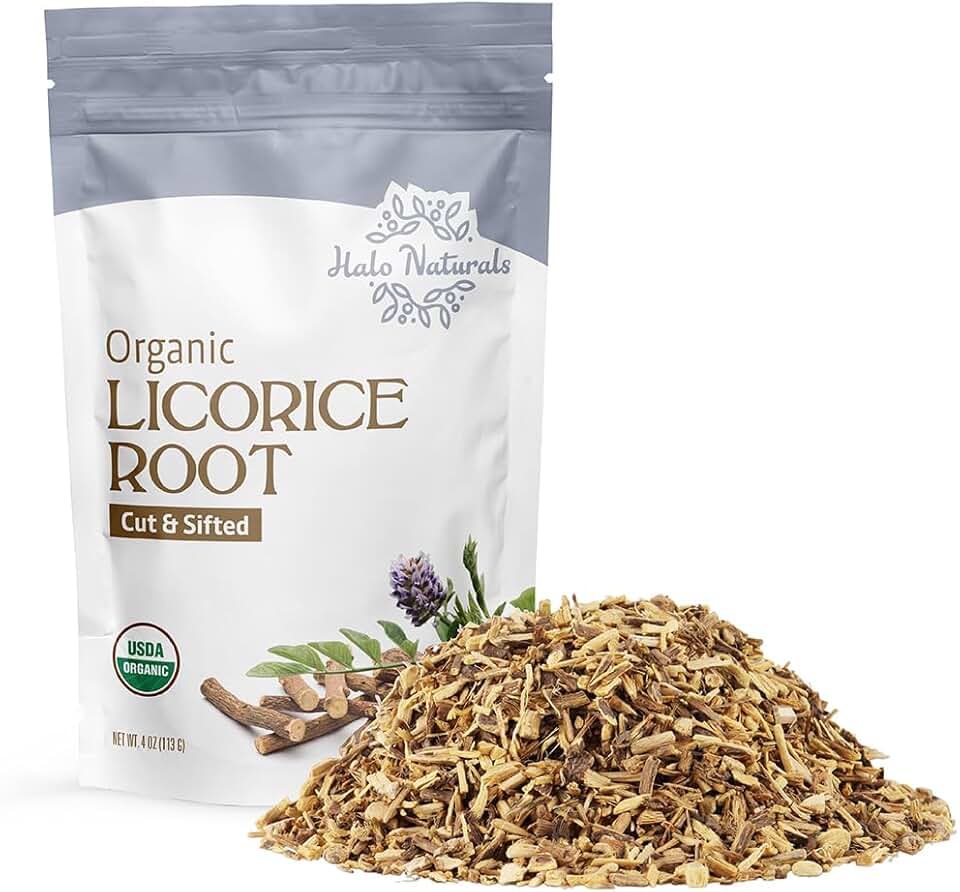
For those who prefer the traditional form of licorice root, organic dried root is a great option for making teas or decoctions. Organic Licorice Root Cut & Sifted by Starwest Botanicals is a high-quality choice, offering USDA-certified organic licorice root in a resealable pouch.
---
Licorice Root Dosage: How to Use It Safely
The right dosage of licorice root depends on the form you’re using and your health goals. Below are general guidelines for safe consumption:
| Form | Dosage | Duration | Notes |
|---|---|---|---|
| Dried root (tea) | 1 tsp in hot water, 1–2x/day | Up to 6 weeks | Strain well; avoid long-term use. |
| Powder | 500 mg–1 g/day | Up to 6 weeks | Mix into smoothies or capsules. |
| Capsules (regular) | 200–400 mg/day | Up to 6 weeks | Look for standardized glycyrrhizin (≤3%). |
| DGL capsules | 250–500 mg, 3x/day | Long-term | Chewable tablets preferred for gut health. |
| Tincture | 1–2 mL (20–40 drops), 1–2x/day | Up to 6 weeks | Alcohol-free options available. |
| Topical extract | 2% licorice extract | As needed | Patch test first for skin sensitivity. |
How Long Can You Take Licorice Root?
- Regular licorice root: Max 4–6 weeks, then take a 2-week break to avoid side effects.
- DGL licorice: Safe for long-term use (no glycyrrhizin).
Signs You Should Stop Taking Licorice Root
Stop using licorice root and consult your doctor if you experience:
- High blood pressure
- Swelling (edema) in the hands, feet, or face
- Muscle weakness or cramps
- Irregular heartbeat
- Severe headaches
DGL vs. Regular Licorice Root: Which Should You Choose?
Choosing between DGL and regular licorice root depends on your health goals and risk factors. Below, we compare the two forms to help you decide which is right for you.
| Factor | Regular Licorice Root | DGL Licorice |
|---|---|---|
| Glycyrrhizin content | High (5–10%) | Removed (0%) |
| Safety | Short-term only | Long-term safe |
| Best for | Antiviral, anti-inflammatory, short-term use | Gut health, ulcers, long-term use |
| Blood pressure risk | Yes | No |
| Potassium risk | Yes | No |
| Dosage | 200–400 mg/day | 250–500 mg, 3x/day |
| Cost | Lower | Higher |
When to Use Regular Licorice Root
Regular licorice root is best for short-term use (4–6 weeks max) for:
- Immune support (antiviral properties).
- Respiratory health (coughs, sore throats).
- Anti-inflammatory support (e.g., arthritis, eczema).
When to Use DGL Licorice
DGL licorice is the safer choice for long-term use, especially for:
- Gut health (GERD, ulcers, IBS).
- Daily digestive support.
- People with hypertension or heart conditions.
For those who prefer capsules, NOW Foods offers a high-quality Licorice Root supplement that provides 450 mg per serving. This is a great option for those looking to support their digestive health or immune system with regular licorice root.
---
Licorice Root for Specific Conditions: What Works & What Doesn’t
Licorice Root for Acid Reflux & Ulcers
How it helps: Licorice root increases mucus production in the stomach, which helps protect the lining from acid and reduce inflammation. This makes it effective for acid reflux, peptic ulcers, and gastritis.
Best form: DGL licorice chewable tablets (e.g., Enzymatic Therapy or Natural Factors).
Evidence:
- A 2025 meta-analysis found that DGL licorice is as effective as PPIs (proton pump inhibitors) for healing peptic ulcers in some cases.
- DGL licorice has also been shown to reduce symptoms of GERD and IBS.
Licorice Root for Adrenal Fatigue & Stress
The claim: Licorice root is often marketed as an adaptogen that supports adrenal function and balances cortisol levels.
The reality: While licorice root has been used traditionally for stress relief, there’s no strong clinical evidence to support its use for adrenal fatigue. In fact, long-term use of regular licorice root may disrupt cortisol balance due to its glycyrrhizin content.
Better alternatives: If you’re looking for stress relief, consider adaptogens like ashwagandha, rhodiola, or holy basil, which have more robust scientific support.
Licorice Root for Skin (Acne, Eczema, Hyperpigmentation)
Topical vs. oral use: Topical applications (e.g., serums, creams) are more effective for skin conditions than oral supplements. However, oral licorice root may still support skin health from within by reducing inflammation.
Best products: Look for serums with 2% licorice extract, such as those from The Ordinary, Naturium, or Biossance.
DIY recipes: You can make a simple licorice root face mask by mixing 1 teaspoon of licorice root powder with 1 tablespoon of aloe vera gel. Apply for 15 minutes, then rinse off.
Licorice Root for Viral Infections (Cold, Flu, COVID-19)
Lab studies vs. human trials: While lab studies show that licorice root has antiviral activity against viruses like SARS-CoV-2, herpes, and influenza, no human trials have confirmed its efficacy for preventing or treating viral infections.
Can it prevent or treat COVID-19? There’s no human evidence to support this claim. It’s best to rely on proven medical treatments for COVID-19.
Safer alternatives: Elderberry, zinc, and vitamin D are better-supported options for immune support.
---Licorice Root vs. Other Adaptogens & Herbs
Licorice root isn’t the only herb with health benefits. How does it compare to other popular adaptogens and herbs? Below, we compare its uses, benefits, and safety with other well-known options.
| Herb | Best For | Safety | Licorice Root Advantage | Licorice Root Disadvantage |
|---|---|---|---|---|
| Ashwagandha | Stress, sleep, testosterone | Safe long-term | Better for gut health | Less evidence for stress |
| Rhodiola | Fatigue, focus | Safe long-term | Anti-inflammatory | No gut benefits |
| Holy Basil | Stress, blood sugar | Safe long-term | Antiviral | Less studied |
| Slippery Elm | Gut health, sore throat | Safe long-term | More evidence for ulcers | No stress benefits |
| Marshmallow Root | Gut health, cough | Safe long-term | More anti-inflammatory | Less sweet (for teas) |
How to Buy High-Quality Licorice Root (Avoiding Scams & Fakes)
Not all licorice root products are created equal. Here’s how to find high-quality sources and avoid scams:
What to Look for in a Supplement
- Standardization: Look for products that list the glycyrrhizin content (≤3% for regular licorice, 0% for DGL).
- Third-party testing: Choose brands that are USP, NSF, or ConsumerLab verified to ensure purity and potency.
- Form: Chewable DGL tablets are best for gut health, while capsules are convenient for daily use.
Red Flags to Avoid
- No glycyrrhizin content listed: If the label doesn’t specify the glycyrrhizin content, it’s best to avoid the product.
- Proprietary blends: Avoid products that list "licorice root complex" without specifying the ingredients.
- Amazon reviews with generic praise: Be wary of products with hundreds of 5-star reviews that all sound the same—these may be fake.
Top 5 Licorice Root Supplements (2026)
- DGL Licorice: Enzymatic Therapy, Natural Factors, Pure Encapsulations.
- Regular Licorice: Gaia Herbs, Herb Pharm, NOW Foods.
- Topical Extracts: The Ordinary, Naturium, Biossance.
DIY Licorice Root Recipes & Remedies
Licorice root is versatile and can be used in a variety of DIY recipes. Below are some simple ways to incorporate it into your routine.
Licorice Root Tea for Sore Throat & Cough
Recipe:
- Add 1 teaspoon of dried licorice root to 1 cup of hot water.
- Steep for 10 minutes.
- Strain and add honey or lemon to taste.
- Drink 1–2 cups per day for respiratory support.
Variations:
- Licorice + Ginger + Turmeric: Add ½ teaspoon of grated ginger and ½ teaspoon of turmeric for an anti-inflammatory boost.
- Licorice + Chamomile: Combine with chamomile for a soothing bedtime tea.
Licorice Root Face Mask for Acne & Hyperpigmentation
Recipe:
- Mix 1 teaspoon of licorice root powder with 1 tablespoon of aloe vera gel.
- Apply the mixture to your face and leave it on for 15 minutes.
- Rinse off with lukewarm water.
- Use 1–2 times per week for best results.
Licorice Root Syrup for Respiratory Health
Recipe:
- Simmer 1 ounce of dried licorice root in 2 cups of water for 20 minutes.
- Strain the liquid and add 1 cup of honey.
- Store in a glass jar in the refrigerator for up to 2 weeks.
- Take 1 teaspoon 2x/day for respiratory support.
Licorice Root Tincture for Gut Health
Recipe:
- Fill a jar with 1 ounce of dried licorice root.
- Cover with 5 ounces of vodka or glycerin.
- Seal the jar and let it steep for 4–6 weeks in a cool, dark place.
- Strain and store in a dark glass bottle.
- Take 1–2 mL (20–40 drops) 2x/day for gut health.
Licorice Root in Traditional Medicine (TCM, Ayurveda, Western Herbalism)
Licorice Root in Traditional Chinese Medicine (TCM)
In TCM, licorice root is known as "gancao" and is considered a "harmonizing" herb. It’s often used to:
- Balance other herbs: Licorice root is added to formulas to reduce side effects and enhance efficacy.
- Support digestion: It’s used to tonify the spleen and stomach, making it helpful for bloating, indigestion, and fatigue.
- Soothe sore throats: Licorice root is a common ingredient in throat-soothing teas and lozenges.
Common TCM formulas with licorice root:
- Xiao Chai Hu Tang: Used for digestive and respiratory issues.
- Gan Mai Da Zao Tang: Used for emotional balance and stress relief.
Licorice Root in Ayurveda
In Ayurveda, licorice root is called "yashtimadhu" and is considered a rasayana (rejuvenating herb). It’s used to:
- Support respiratory health: Licorice root is used to soothe coughs, asthma, and bronchitis.
- Aid digestion: It’s used to reduce acidity, bloating, and ulcers.
- Promote skin health: Licorice root is used to reduce inflammation and brighten the skin.
Licorice Root in Western Herbalism
In Western herbalism, licorice root has been used for centuries to treat:
- Respiratory conditions: Coughs, sore throats, and bronchitis.
- Digestive issues: Ulcers, GERD, and gastritis.
- Inflammatory conditions: Arthritis, eczema, and skin irritations.
Modern uses: Today, licorice root is commonly used in DGL supplements for gut health and topical extracts for skin conditions.
---FAQs About Licorice Root (2026 Update)
1. Is licorice root safe for daily use?
Answer: Only DGL licorice is safe for long-term daily use. Regular licorice root should be limited to 4–6 weeks to avoid side effects like high blood pressure and low potassium.
2. Can licorice root help with COVID-19 or long COVID?
Answer: No strong evidence supports this claim. While lab studies show that licorice root has antiviral activity against SARS-CoV-2, no human trials have confirmed its efficacy for preventing or treating COVID-19.
3. Does licorice root affect hormones?
Answer: Yes. Glycyrrhizin in regular licorice root mimics cortisol, which can disrupt estrogen and testosterone levels with long-term use. This makes it risky for people with hormone-sensitive conditions like breast cancer or endometriosis.
4. What’s the best licorice root for gut health?
Answer: DGL licorice chewable tablets (e.g., Enzymatic Therapy or Natural Factors) are the best choice for gut health. They’re safe for long-term use and effective for conditions like GERD, ulcers, and IBS.
5. Can I take licorice root with other herbs?
Answer: Yes, but avoid combining it with stimulating adaptogens like ginseng if you have high blood pressure. Licorice root pairs well with ginger, turmeric, and chamomile for digestive and respiratory support.
6. Is licorice root good for skin?
Answer: Yes, topically. Licorice root extract is effective for acne, eczema, and hyperpigmentation. Look for serums with 2% licorice extract for best results.
7. Why is DGL licorice safer?
Answer: DGL licorice removes glycyrrhizin, the compound responsible for blood pressure and potassium issues. This makes it safe for long-term use, especially for gut health.
8. Can licorice root cause weight gain?
Answer: Indirectly. Glycyrrhizin can cause water retention, leading to temporary weight gain. However, it’s not the same as fat gain.
9. Is licorice root safe for kids?
Answer: Not recommended due to potential hormonal effects. Always consult a pediatrician before giving licorice root to children.
10. How does licorice root compare to PPIs for acid reflux?
Answer: DGL licorice is as effective as PPIs for some people but safer long-term. PPIs can cause rebound acidity and nutrient deficiencies, while DGL licorice supports gut health without these risks.
11. Can licorice root help with anxiety?
Answer: There’s no strong evidence that licorice root helps with anxiety. For stress relief, consider adaptogens like ashwagandha or rhodiola instead.
12. Does licorice root interact with birth control?
Answer: Licorice root may reduce the effectiveness of birth control pills due to its effects on hormones. If you’re on birth control, consult your doctor before using licorice root.
13. Can licorice root help with PCOS?
Answer: Licorice root may help balance hormones in some cases, but it’s not a first-line treatment for PCOS. Consult your doctor before using it for this condition.
14. How long does it take for licorice root to work?
Answer: It depends on the condition. For gut health, you may see improvements in 2–4 weeks. For skin conditions, topical applications may take 4–6 weeks to show results.
15. Can I take licorice root with probiotics?
Answer: Yes! Licorice root and probiotics can complement each other for gut health. Licorice root supports the stomach lining, while probiotics promote a healthy gut microbiome.
---Common Myths & Misconceptions About Licorice Root
Myth: "Licorice root is just candy."
Fact: Licorice candy is typically flavored with anise, not real licorice root. Real licorice root is a potent medicinal herb with both benefits and risks.
Myth: "Licorice root cures adrenal fatigue."
Fact: There’s no clinical evidence that licorice root cures adrenal fatigue. In fact, long-term use may worsen cortisol issues.
Myth: "All licorice root supplements are the same."
Fact: DGL and regular licorice root have different safety profiles. DGL is safer for long-term use, while regular licorice root should be used short-term only.
Myth: "Licorice root is safe for everyone."
Fact: Licorice root is contraindicated for pregnancy, hypertension, and kidney disease. Always consult your doctor before using it.
---Expert Commentary: What Herbalists & Doctors Say About Licorice Root
Naturopathic Perspective (Dr. Aviva Romm, MD)
"Licorice root is a powerhouse for gut health, but glycyrrhizin is a double-edged sword. DGL is the way to go for long-term use, especially for conditions like GERD and ulcers."
Ayurvedic Perspective (Dr. Vasant Lad, BAMS)
"Yashtimadhu is a rasayana herb, but it must be balanced with cooling herbs like amalaki to avoid pitta aggravation. It’s excellent for respiratory health and digestion, but moderation is key."
Conventional Medicine Perspective (Dr. Andrew Weil, MD)
"Licorice root has validated uses for ulcers and skin, but don’t overhype its stress benefits. Stick to DGL for safety, and always consult a healthcare provider before long-term use."
Herbalist Perspective (Rosemary Gladstar)
"Licorice root is one of the most versatile herbs, but respect its power. Always start with a low dose, and be mindful of its effects on blood pressure and potassium levels."
---The Future of Licorice Root: 2026 & Beyond
Emerging Research Areas
Licorice root is a hot topic in scientific research, with several exciting areas being explored:
- Gut microbiome: How licorice root affects gut bacteria and its potential for IBS and SIBO.
- Neuroprotective effects: Potential for Alzheimer’s and Parkinson’s disease (lab studies only).
- Cancer research: Glycyrrhizin’s anti-tumor properties (lab studies only).
Sustainability Concerns
Licorice root is at risk of overharvesting in some regions, particularly Turkey and China. To support sustainability:
- Look for organic and fair-trade certifications.
- Choose brands that source ethically and support local farmers.
New Product Trends
The licorice root market is evolving, with new products hitting the shelves in 2026:
- Licorice root + mushroom blends: Combining licorice root with reishi or chaga for immune support.
- Licorice root in functional beverages: Adaptogenic lattes, gut-health sodas, and herbal tonics.
- Licorice root skincare: Serums, masks, and creams with 2% licorice extract for hyperpigmentation and acne.
Conclusion: Should You Try Licorice Root?
The Verdict
Licorice root is a powerful herb with a rich history and emerging scientific support. Its benefits for gut health, skin, and respiratory conditions make it a valuable addition to many wellness routines. However, it’s not a miracle cure, and its risks—such as high blood pressure and low potassium—shouldn’t be ignored.
Here’s a quick recap of the pros and cons:
| Pros | Cons |
|---|---|
| Strong evidence for gut health and skin benefits. | Limited human trials for adrenal support and viral infections. |
| DGL licorice is safe for long-term use. | Regular licorice root can cause high blood pressure and low potassium. |
| Versatile—available in teas, capsules, tinctures, and topical extracts. | Contraindicated for pregnancy, hypertension, and kidney disease. |
Who It’s For
Licorice root may be a good fit for you if you:
- Struggle with gut issues like GERD, ulcers, or IBS.
- Want short-term immune or respiratory support.
- Are interested in natural skin brightening.
Who Should Avoid It
Avoid licorice root if you:
- Are pregnant or breastfeeding.
- Have hypertension, heart disease, or kidney disease.
- Take diuretics, corticosteroids, or blood pressure medications.
How to Try It Safely
If you’re curious about licorice root, follow these steps to use it safely:
- Start with DGL licorice for gut health or short-term regular licorice for other benefits.
- Monitor your body’s response, especially if you have a history of high blood pressure or heart issues.
- Consult a healthcare provider before long-term use, especially if you have underlying conditions or take medications.
- Choose high-quality products from reputable brands with third-party testing.
Final Thoughts
Licorice root is a fascinating herb with a lot to offer, but it’s not for everyone. Approach it with cautious optimism, and always prioritize safety. Whether you’re looking to support your gut, skin, or immune system, licorice root may be worth exploring—just remember to start low, go slow, and listen to your body.
Medical Disclaimer: This article is for educational purposes only and is not intended as medical advice. Always consult a healthcare professional before starting any new supplement or treatment. Licorice root is not a substitute for professional medical care and should not be used to diagnose, treat, or cure any condition.
For more evidence-based guides on herbal remedies, subscribe to our newsletter or explore our African Superfoods Cheat Sheet. Stay informed, stay healthy!