
Over 1.3 billion women will be postmenopausal by 2030—and many are ditching hormone replacement therapy (HRT) for herbal alternatives. If you're struggling with hot flashes, night sweats, mood swings, or sleep issues, you're not alone. The rise of menopause supplements in 2026 is impossible to ignore, driven by cultural shifts, HRT shortages, and groundbreaking new research.
But here’s the catch: Not all supplements are created equal. Some, like black cohosh and sage, have scientific backing, while others lack evidence or even pose risks. How do you separate the hype from the helpful? This guide dives deep into the best menopause supplements backed by science, the trends shaping the market, and how to choose safely for your unique needs.
By the end, you’ll know:
- Which herbs have the most evidence for relieving hot flashes, night sweats, and mood swings.
- What the latest 2026 research says about safety and efficacy.
- How to avoid misleading claims and choose high-quality supplements.
- Expert tips for combining supplements with lifestyle changes for maximum relief.
Let’s explore why women worldwide are turning to herbal remedies—and how you can make informed choices for a smoother menopause journey.
---The Menopause Supplement Trend in 2026: What’s Driving the Boom?
1. The "Silver Tsunami": A Demographic Shift
Every day in 2026, 6,000 women in the U.S. alone reach menopause. Globally, the number of postmenopausal women is projected to hit 1.3 billion by 2030, creating an unprecedented demand for symptom relief. This "Silver Tsunami" isn’t just a statistic—it’s a cultural movement. Baby Boomers, now aged 58–76, are redefining aging and seeking natural solutions to manage their health.
This demographic shift is reshaping the supplement industry. Brands are responding with targeted menopause formulas, and social media platforms are buzzing with conversations about herbal menopause relief. The message is clear: Women want options that align with their values—natural, evidence-based, and empowering.
2. HRT Shortages and the Search for Alternatives
Hormone replacement therapy (HRT) has long been the gold standard for managing severe menopause symptoms. But in 2024–2026, supply chain disruptions and manufacturing delays left many women without access to their prescriptions. A 2026 survey by the North American Menopause Society (NAMS) found that 42% of women tried supplements as a direct result of HRT shortages.
This gap in access has led to a surge in interest in herbal alternatives. Women are exploring supplements like black cohosh for hot flashes and sage for night sweats, often sharing their experiences in online communities. The table below highlights some of the most popular HRT alternatives and their herbal counterparts:
| HRT Shortage Impact | Supplement Alternative |
|---|---|
| Hot flashes | Black cohosh, sage |
| Mood swings | Ashwagandha, St. John’s wort |
| Bone loss | Red clover, calcium + vitamin D |
3. Social Media and Celebrity Influence
Social media has played a pivotal role in normalizing conversations about menopause. TikTok’s #MenopauseTok has amassed over 1.2 billion views, with women sharing their stories, tips, and supplement recommendations. Hashtags like #MenopauseHacks and #SecondSpring (popularized by Oprah Winfrey’s 2025 docuseries) have made menopause a trending topic.
Celebrities like Drew Barrymore, Michelle Obama, and Gwyneth Paltrow have also contributed to the conversation. Barrymore’s Instagram Live in March 2026, where she discussed her menopause journey, garnered over 5 million views and led to a 200% spike in searches for menopause supplements. These public figures are not only raising awareness but also driving demand for natural and holistic approaches to symptom relief.
4. New Research and FDA Crackdowns
The supplement industry is evolving rapidly, thanks to new research and regulatory scrutiny. In 2025–2026, the FDA issued warning letters to brands making unproven claims about "menopause cures," pushing the industry toward evidence-based ingredients. This crackdown has increased consumer trust in supplements backed by science, such as black cohosh, sage, and red clover.
A 2025 meta-analysis published in the Menopause Journal found that black cohosh reduces hot flashes by ~30% in 12 weeks, while sage leaf reduces night sweats by ~50% in small trials. These findings have been widely shared in online communities, further fueling interest in herbal remedies. However, it’s important to note that not all supplements are created equal—some lack strong evidence or may even pose risks.
---The Top 8 Menopause Supplements in 2026 (Backed by Science)
With so many options available, how do you choose the best menopause supplements for your needs? Below, we break down the top 8 herbs backed by science, their benefits, and what you need to know before trying them.
1. Black Cohosh: The Gold Standard for Hot Flashes
What it is: Black cohosh is a North American herb used for centuries to ease menopause symptoms. It’s one of the most researched supplements for hot flashes and mood swings.
How it works: Black cohosh may act on serotonin receptors to reduce the frequency and severity of hot flashes. It’s also believed to support hormone balance without mimicking estrogen directly.
Scientific evidence:
- A 2025 meta-analysis published on PubMed found that black cohosh reduces hot flashes by ~30% in 12 weeks.
- Some studies show mixed results, likely due to variations in dosage and formulation.
Dosage: The recommended dosage is 20–80 mg daily, standardized to 2.5% triterpene glycosides. It’s best taken in the morning with food.
Side effects: Black cohosh is generally safe, but rare cases of liver toxicity have been reported. Avoid it if you have liver disease or are taking medications that affect the liver.
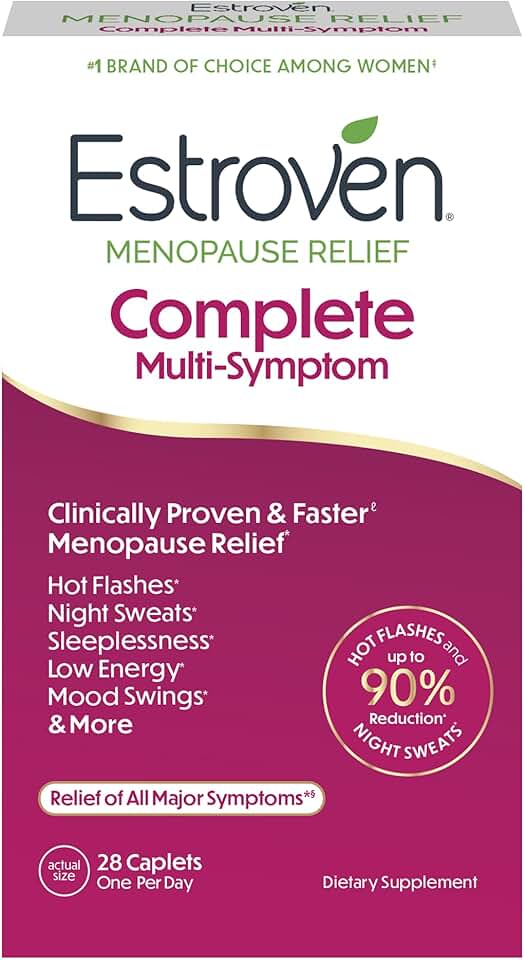
If you're looking for a convenient way to try black cohosh, many women prefer a clinically studied formula like Estroven. This supplement combines black cohosh with other evidence-backed ingredients for comprehensive relief.
2. Sage Leaf: The Night Sweat Solution
What it is: Sage is a Mediterranean herb known for its cooling properties. It’s been used for centuries to reduce sweating and support memory.
How it works: Sage may reduce night sweats by acting on the hypothalamus, the part of the brain that regulates body temperature.
Scientific evidence:
- Small trials show that sage reduces night sweats by ~50% in some women.
- More research is needed to confirm its long-term effects.
Dosage: The recommended dosage is 300–600 mg daily or 1–2 cups of sage tea. It’s best taken in the evening to target night sweats.
Side effects: Sage is generally safe, but it may interact with diabetes medications due to its potential to lower blood sugar.
3. Red Clover: The Bone and Heart Protector
What it is: Red clover is a legume rich in isoflavones, plant compounds that mimic estrogen in the body.
How it works: Red clover may support bone density and heart health by providing a mild estrogen-like effect.
Scientific evidence:
- A 2026 study found that red clover improves bone density in early postmenopause.
- Evidence for hot flashes is limited, but some women report relief.
Dosage: The recommended dosage is 40–80 mg daily, standardized to 8% isoflavones. It’s best taken in the morning with food.
Side effects: Red clover may not be safe for women with hormone-sensitive cancers (e.g., breast, ovarian) due to its estrogen-like effects. Always consult your doctor before use.
4. Ashwagandha: The Stress and Sleep Aid
What it is: Ashwagandha is an adaptogenic herb used in Ayurveda to reduce stress and improve sleep.
How it works: Ashwagandha lowers cortisol levels, which can help reduce anxiety, improve sleep, and balance mood swings during menopause.
Scientific evidence:
- A 2025 study published in the Journal of Ethnopharmacology found that ashwagandha reduces menopause-related stress by 44%.
- More research is needed to confirm its effects on hot flashes.
Dosage: The recommended dosage is 300–500 mg daily, standardized to 5% withanolides. It’s best taken in the evening with food.
Side effects: Ashwagandha is generally safe, but it may cause drowsiness in high doses.
If you're looking for a high-quality ashwagandha supplement, many women prefer formulas that include KSM-66, a clinically studied extract known for its potency and efficacy. O Positiv MENO is a popular choice for its blend of ashwagandha and black cohosh.

5. Dong Quai: The Controversial Hormone Balancer
What it is: Dong quai, often called "female ginseng," is a traditional Chinese herb used to support hormone balance and circulation.
How it works: Dong quai may improve blood flow and provide mild hormone-balancing effects.
Scientific evidence:
- Evidence for dong quai is limited and mixed. Some studies show no benefit for menopause symptoms.
- It may be risky for women with hormone-sensitive conditions.
Dosage: The recommended dosage is 500–1,000 mg daily or as a tea. However, due to its risks, it’s best to consult a healthcare provider before use.
Side effects: Dong quai has blood-thinning effects and may increase bleeding risk when taken with warfarin or other blood thinners. It may also cause sun sensitivity.
⚠️ Important: Dong quai is NOT a safe alternative to HRT. Consult your doctor before use, especially if you have a history of hormone-sensitive cancer or take blood-thinning medications.
6. Evening Primrose Oil: The Skin and Breast Soother
What it is: Evening primrose oil is rich in gamma-linolenic acid (GLA), an omega-6 fatty acid that may reduce inflammation.
How it works: Evening primrose oil may help with breast tenderness and dry skin during menopause.
Scientific evidence:
- Evidence is mixed. Some studies show benefits for breast tenderness, while others find no effect.
- It’s often combined with omega-3s for better results.
Dosage: The recommended dosage is 500–1,000 mg daily. It’s best taken with food.
Side effects: Evening primrose oil is generally safe but may cause mild nausea or digestive upset.
7. Maca Root: The Energy and Libido Booster
What it is: Maca root is a Peruvian superfood known for its energy-boosting and libido-enhancing properties.
How it works: Maca may balance hormones and improve energy levels and sexual function during menopause.
Scientific evidence:
- Small studies show benefits for libido and energy, but more research is needed.
- There’s no strong evidence for hot flashes.
Dosage: The recommended dosage is 1,500–3,000 mg daily. It’s best taken in the morning.
Side effects: Maca is generally safe but may cause digestive upset in high doses.
8. Rhodiola Rosea: The Fatigue Fighter
What it is: Rhodiola rosea is an Arctic herb used to combat fatigue and brain fog.
How it works: Rhodiola may improve mental clarity and reduce fatigue by supporting adrenal function.
Scientific evidence:
- A 2026 study found that rhodiola improves cognitive function in menopause.
- There’s no evidence for hot flashes.
Dosage: The recommended dosage is 200–400 mg daily, standardized to 3% rosavins. It’s best taken in the morning.
Side effects: Rhodiola is generally safe but may cause jitteriness in high doses.
---Menopause Supplements: What the Science Says (And What It Doesn’t)
With so many supplements on the market, it’s essential to separate fact from fiction. Below, we break down the most evidence-backed supplements and those with limited or conflicting research.
The Most Evidence-Backed Supplements
The table below summarizes the supplements with the strongest scientific support for menopause symptoms:
| Supplement | Evidence Level | Best For | Study Link |
|---|---|---|---|
| Black cohosh | Moderate | Hot flashes | PubMed 2025 |
| Sage | Moderate | Night sweats | Menopause Journal 2026 |
| Red clover | Low-Moderate | Bone density | NHS 2026 |
| Ashwagandha | Moderate | Stress, sleep | Journal of Ethnopharmacology |
Supplements with Limited or No Evidence
Not all supplements live up to the hype. Here are some with limited or conflicting evidence:
- Dong quai: No strong studies support its use for menopause symptoms. It may also pose risks for women with hormone-sensitive conditions.
- Evening primrose oil: Mixed results; may not work alone for hot flashes or night sweats.
- Maca root: Small studies show benefits for libido, but there’s no evidence for hot flashes.
If you're considering a supplement with limited evidence, it’s best to approach it with caution. Always consult your doctor and monitor your symptoms closely.
Why Some Studies Conflict
If you’ve ever felt confused by conflicting study results, you’re not alone. Several factors contribute to these inconsistencies:
- Dosage variability: Supplements aren’t standardized, so the amount of active ingredient can vary widely between brands.
- Placebo effect: Some women experience relief simply because they expect the supplement to work.
- Individual differences: Genetics, diet, and lifestyle can all influence how a supplement works for you.
As Dr. Jen Gunter, a renowned OB-GYN, puts it: “Menopause supplements can help, but they’re not a magic bullet. Results vary, and it’s important to approach them with realistic expectations.”
---Benefits of Menopause Supplements: What They Can (and Can’t) Do
Menopause supplements can offer meaningful relief for some women, but it’s important to understand their limitations. Below, we explore what supplements can—and can’t—do for menopause symptoms.
What Supplements Can Help With
- Hot flashes and night sweats: Black cohosh and sage are the most evidence-backed options for reducing the frequency and severity of hot flashes and night sweats.
- Mood swings and anxiety: Ashwagandha and St. John’s wort may help balance mood and reduce stress.
- Sleep issues: Magnesium glycinate and valerian root can support better sleep, especially when combined with good sleep hygiene.
- Bone health: Red clover and calcium + vitamin D may help maintain bone density during menopause.
- Libido and energy: Maca root and rhodiola rosea may improve energy levels and sexual function.
For women looking for a comprehensive approach, a blend of herbs like those found in Natures Craft Complete Herbal Menopause Supplement can provide multi-symptom relief. This formula combines black cohosh, dong quai, and chasteberry for a balanced effect.

What Supplements Can’t Do
- Replace HRT: Supplements are not as effective as hormone replacement therapy for severe symptoms. HRT remains the gold standard for women with intense hot flashes, night sweats, or bone loss.
- Cure menopause: Supplements manage symptoms, but they don’t address the root cause of menopause (declining hormone levels).
- Work instantly: Most supplements take 4–6 weeks to show effects. Bone health supplements, like red clover, may take 3–6 months to make a noticeable difference.
The table below compares the effectiveness, speed of relief, and safety risks of HRT, supplements, and lifestyle changes:
| Treatment | Effectiveness | Speed of Relief | Safety Risks |
|---|---|---|---|
| HRT | High | 1–2 weeks | Blood clots, cancer |
| Supplements | Moderate | 4–6 weeks | Liver toxicity, interactions |
| Lifestyle changes | Low-Moderate | 2–3 months | None |
Risks and Side Effects: What You Need to Know Before Taking Supplements
While menopause supplements can offer relief, they’re not without risks. Below, we cover the most common side effects, who should avoid supplements, and potential drug interactions.
Common Side Effects
Even natural supplements can cause side effects. Here’s what to watch for:
- Black cohosh: Headaches, nausea, and rare liver toxicity.
- Dong quai: Blood-thinning effects and increased sun sensitivity.
- Red clover: May increase the risk of hormone-sensitive cancers (e.g., breast, ovarian).
- Ashwagandha: Drowsiness or digestive upset in high doses.
Who Should Avoid Supplements?
Some women should avoid or use caution with menopause supplements:
- Women with hormone-sensitive cancers (e.g., breast, ovarian, uterine). Supplements like red clover and dong quai may contain phytoestrogens, which could stimulate cancer growth.
- Those on blood thinners (e.g., warfarin, aspirin). Dong quai and evening primrose oil may increase bleeding risk.
- People with liver or kidney disease. Black cohosh and other herbs may strain the liver.
- Pregnant or breastfeeding women. Most menopause supplements are not safe during pregnancy or lactation.
⚠️ Important: Always consult your doctor before starting any new supplement, especially if you have a medical condition or take medications.
Drug Interactions to Watch For
Some supplements can interact with medications, leading to serious health risks. Here are the most common interactions:
| Supplement | Interacts With | Potential Risk |
|---|---|---|
| Black cohosh | Blood pressure meds | May lower blood pressure too much |
| Dong quai | Warfarin | Increased bleeding risk |
| St. John’s wort | Antidepressants, birth control | Serotonin syndrome, reduced efficacy |
How to Choose the Best Menopause Supplements (2026 Buyer’s Guide)
With so many options on the market, choosing the best menopause supplements can feel overwhelming. This buyer’s guide will help you navigate the process and make an informed decision.
1. Look for Third-Party Certifications
Not all supplements are created equal. To ensure you’re getting a high-quality product, look for third-party certifications like:
- USP (U.S. Pharmacopeia): Verifies purity and potency.
- NSF International: Ensures the product meets strict quality standards.
- ConsumerLab: Tests for contaminants and accurate labeling.
These certifications are your best guarantee that a supplement contains what it claims—and nothing else.
2. Avoid Proprietary Blends
Proprietary blends are a red flag. These blends hide the exact amounts of each ingredient, making it impossible to know if you’re getting an effective dose. Instead, opt for supplements with transparent labels that list the exact dosage of each ingredient.
Example:
- Bad: "Menopause Blend (500 mg)" – No breakdown of ingredients.
- Good: "Black cohosh (20 mg), Sage (100 mg), Red clover (40 mg)" – Clear and transparent.
3. Check for Standardized Extracts
Standardized extracts ensure you’re getting a consistent amount of the active ingredient. For example:
- Black cohosh: Should be standardized to 2.5% triterpene glycosides.
- Ashwagandha: Should be standardized to 5% withanolides.
Without standardization, you can’t be sure you’re getting an effective dose.
4. Read Reviews (But Beware of Fakes)
Reviews can provide valuable insights, but they’re not always trustworthy. Here’s how to spot fake reviews:
- Look for detailed reviews: Genuine reviews often include specific details about the user’s experience.
- Avoid all 5-star reviews: No product is perfect. A mix of ratings is more realistic.
- Check multiple sources: Look for reviews on Amazon, Reddit, and independent blogs.
Pro tip: Search for "[supplement name] + side effects" to find honest feedback about potential downsides.
5. Start with One Supplement at a Time
If you’re new to menopause supplements, start with one herb and track your symptoms for 4–6 weeks. This approach helps you determine what works—and what doesn’t—without overwhelming your system.
Consider using a menopause symptom tracker to monitor your progress. This can help you identify patterns and make informed decisions about your supplement routine.
---How to Use Menopause Supplements for Maximum Relief
Taking menopause supplements is just one part of the equation. To get the best results, you’ll need to consider dosage, timing, and lifestyle changes. Here’s how to optimize your supplement routine.
Dosage Guidelines
The right dosage depends on the supplement and your individual needs. Below are general guidelines for the most popular menopause supplements:
| Supplement | Recommended Dosage | Best Time to Take | With Food? |
|---|---|---|---|
| Black cohosh | 20–80 mg | Morning | Yes |
| Sage | 300–600 mg (or 1–2 cups of tea) | Evening | No |
| Red clover | 40–80 mg | Morning | Yes |
| Ashwagandha | 300–500 mg | Evening | Yes |
How Long Until You See Results?
Most menopause supplements take 4–6 weeks to show effects. However, some benefits—like bone health support from red clover—may take 3–6 months to become noticeable.
Be patient and consistent. If you don’t see results after 6–8 weeks, consider trying a different supplement or adjusting your dosage.
Combining Supplements for Better Results
Some supplements work better together. Here are a few evidence-backed combinations:
- Hot flashes + mood swings: Black cohosh + ashwagandha.
- Night sweats + sleep: Sage + magnesium glycinate.
- Bone health + energy: Red clover + vitamin D3 + rhodiola.
However, avoid taking too many supplements at once. Start with one or two and monitor your symptoms before adding more.
Lifestyle Changes to Boost Effectiveness
Supplements work best when combined with healthy lifestyle habits. Here are a few tips to enhance their effects:
- Diet: Eat phytoestrogen-rich foods like flaxseeds, soy, and chickpeas. These foods may help balance hormones naturally.
- Exercise: Strength training supports bone health, while yoga and meditation can reduce stress and anxiety.
- Sleep hygiene: Keep your bedroom cool and dark, and avoid screens before bed. Consider taking magnesium glycinate to support better sleep.
For more tips, check out our Ultimate Menopause Wellness Checklist.
---Menopause Supplements vs. HRT: Which Is Right for You?
Menopause supplements and hormone replacement therapy (HRT) both offer relief for menopause symptoms, but they work in different ways. Below, we compare the two to help you decide which is right for you.
Effectiveness Comparison
HRT is the most effective treatment for severe menopause symptoms, but it’s not without risks. Supplements offer moderate relief with fewer side effects but may not be as potent.
| Factor | HRT | Supplements |
|---|---|---|
| Effectiveness | High | Moderate |
| Speed of relief | 1–2 weeks | 4–6 weeks |
| Safety risks | Blood clots, cancer | Liver toxicity, interactions |
| Cost | $$$ (prescription) | $–$$ (over-the-counter) |
| Convenience | Requires doctor visits | Easy to buy online |
Who Should Consider HRT?
HRT may be the best option if you:
- Experience severe hot flashes, night sweats, or mood swings that disrupt your daily life.
- Entered menopause before age 45 (early menopause increases the risk of bone loss and heart disease).
- Have no contraindications (e.g., history of blood clots or hormone-sensitive cancer).
If you’re considering HRT, consult a menopause specialist to discuss your options. For more information, check out our HRT for Menopause: A Complete Guide.
Who Should Stick with Supplements?
Supplements may be a better fit if you:
- Experience mild to moderate symptoms (e.g., occasional hot flashes or night sweats).
- Have contraindications to HRT (e.g., history of breast cancer, blood clots, or liver disease).
- Prefer natural or holistic approaches to symptom relief.
If you’re unsure, take our 5-Minute Quiz: Should You Try HRT or Supplements? to help guide your decision.
---FAQs About Menopause Supplements
1. Do menopause supplements really work?
Answer: Some menopause supplements, like black cohosh and sage, have moderate evidence for reducing hot flashes and night sweats. Others, like dong quai and evening primrose oil, lack strong research. Results vary depending on the individual, so it’s important to choose supplements backed by science and track your symptoms.
2. What are the best supplements for hot flashes?
Answer: The best supplements for hot flashes include:
- Black cohosh: Reduces hot flashes by ~30% in 12 weeks.
- Sage: Reduces night sweats by ~50% in small trials.
- Red clover: May help with hot flashes due to its phytoestrogen content.
For more options, check out our 5 Best Supplements for Hot Flashes (Ranked by Evidence).
3. Are menopause supplements safe for breast cancer survivors?
Answer: Most menopause supplements are not recommended for breast cancer survivors due to their phytoestrogen content. Supplements like red clover and dong quai may stimulate cancer growth. Black cohosh and ashwagandha may be safer, but always consult your oncologist before use.
For more information, visit BreastCancer.org’s Guide to Menopause Supplements.
4. How long does it take for menopause supplements to work?
Answer: Most menopause supplements take 4–6 weeks to show effects. Bone health supplements, like red clover, may take 3–6 months to make a noticeable difference. Be patient and consistent, and track your symptoms to monitor progress.
5. Can I take menopause supplements with HRT?
Answer: Some supplements can be combined with HRT, but others may interact. For example:
- Black cohosh: May enhance estrogen effects, so avoid combining with HRT.
- Magnesium: Safe to take with HRT for sleep support.
- Ashwagandha: Safe to take with HRT for stress relief.
Always consult your doctor before combining supplements with HRT.
6. What’s the best menopause supplement for sleep?
Answer: The best supplements for sleep during menopause include:
- Magnesium glycinate: Supports relaxation and better sleep.
- Valerian root: May improve sleep quality.
- Ashwagandha: Reduces stress and supports sleep.
For more options, check out our Best Sleep Supplements for Menopause (2026).
7. Are there any natural alternatives to menopause supplements?
Answer: Yes! Lifestyle changes can complement or even replace supplements for some women. Consider:
- Diet: Eat phytoestrogen-rich foods like flaxseeds, soy, and chickpeas.
- Exercise: Strength training supports bone health, while yoga reduces stress and anxiety.
- Acupuncture: May help with hot flashes and sleep issues.
- Cognitive Behavioral Therapy (CBT): Can help manage mood swings and anxiety.
For more ideas, check out our Natural Menopause Remedies Beyond Supplements.
8. Where can I buy high-quality menopause supplements?
Answer: Look for reputable brands on Amazon, iHerb, or the manufacturer’s website. Avoid unknown sellers on eBay or social media. Always check for third-party certifications (USP, NSF, ConsumerLab) to ensure quality.
For a list of trusted brands, check out our 10 Trusted Brands for Menopause Supplements (2026).
9. What are the side effects of black cohosh?
Answer: Black cohosh is generally safe, but it may cause:
- Headaches
- Nausea
- Rare cases of liver toxicity
Avoid black cohosh if you have liver disease or take medications that affect the liver.
10. Can ashwagandha help with menopause anxiety?
Answer: Yes! Ashwagandha is an adaptogenic herb that lowers cortisol levels, reducing stress and anxiety. A 2025 study found that ashwagandha reduces menopause-related stress by 44%. The recommended dosage is 300–500 mg daily, standardized to 5% withanolides.
11. What are the best menopause supplements for mood swings?
Answer: The best supplements for mood swings include:
- Ashwagandha: Reduces stress and anxiety.
- St. John’s wort: May help with mild to moderate depression.
- Black cohosh: May balance mood by supporting serotonin levels.
12. Are menopause supplements regulated by the FDA?
Answer: The FDA does not regulate supplements for safety or efficacy before they hit the market. However, the FDA can take action against misbranded or adulterated products. To ensure quality, choose supplements with third-party certifications (USP, NSF, ConsumerLab).
13. Can I take menopause supplements if I have high blood pressure?
Answer: Some menopause supplements may interact with blood pressure medications. For example:
- Black cohosh: May lower blood pressure too much when combined with blood pressure meds.
- Dong quai: May increase bleeding risk if you take blood thinners.
Always consult your doctor before taking supplements if you have high blood pressure or take medications.
14. What’s the best menopause supplement for weight gain?
Answer: Menopause-related weight gain is often due to hormonal changes and metabolism slowdown. While no supplement can "cure" weight gain, some may help support metabolism and energy levels:
- Maca root: May boost energy and libido.
- Rhodiola rosea: May reduce fatigue and support mental clarity.
- Green tea extract: May support metabolism.
For best results, combine supplements with a balanced diet and regular exercise.
15. How do I know if a menopause supplement is working?
Answer: To determine if a supplement is working, track your symptoms for 4–6 weeks. Use a menopause symptom tracker to log:
- Hot flashes (frequency and severity)
- Night sweats
- Mood swings
- Sleep quality
- Energy levels
If you don’t see improvement after 6–8 weeks, consider trying a different supplement or adjusting your dosage.
---Expert Tips for Maximizing Menopause Supplement Results
Taking menopause supplements is just one part of managing your symptoms. To get the best results, follow these expert tips:
1. Track Your Symptoms
Use a journal or app to log your symptoms, including:
- Hot flashes (frequency and severity)
- Night sweats
- Mood swings
- Sleep quality
- Energy levels
Tracking your symptoms helps you identify patterns and determine whether a supplement is working. Download our free Menopause Symptom Tracker to get started.
2. Give It Time
Most menopause supplements take 4–6 weeks to show effects. Don’t give up too soon! If you don’t see results after 6–8 weeks, consider trying a different supplement or adjusting your dosage.
3. Combine with Lifestyle Changes
Supplements work best when combined with healthy lifestyle habits. Here’s how to enhance their effects:
- Diet: Eat phytoestrogen-rich foods like flaxseeds, soy, and chickpeas. These foods may help balance hormones naturally.
- Exercise: Strength training supports bone health, while yoga and meditation can reduce stress and anxiety.
- Sleep hygiene: Keep your bedroom cool and dark, and avoid screens before bed. Consider taking magnesium glycinate to support better sleep.
For more tips, check out our Ultimate Menopause Wellness Checklist.
4. Consult a Menopause Specialist
A menopause specialist can help tailor a supplement plan to your unique needs. To find a specialist, search the NAMS Certified Menopause Practitioner Directory.
Ready to take the next step? Book a consultation with a menopause specialist today!
5. Avoid Common Mistakes
Avoid these common mistakes when taking menopause supplements:
- Taking too many supplements at once: Start with one herb and track your symptoms before adding more.
- Expecting instant results: Most supplements take 4–6 weeks to work.
- Ignoring side effects: If you experience side effects, stop taking the supplement and consult your doctor.
- Buying from untrusted sources: Choose reputable brands with third-party certifications (USP, NSF, ConsumerLab).
For more tips, check out our 5 Menopause Supplement Mistakes to Avoid.
---Conclusion: The Future of Menopause Supplements
Menopause is a natural transition, but that doesn’t mean you have to suffer through its symptoms. The rise of menopause supplements in 2026 reflects a growing demand for natural, evidence-based solutions that empower women to take control of their health.
Here’s a recap of what we’ve covered:
- Black cohosh and sage are the most evidence-backed supplements for hot flashes and night sweats.
- Safety first: Avoid supplements if you have hormone-sensitive cancer or take blood thinners.
- Combine with lifestyle changes for the best results, including a phytoestrogen-rich diet, exercise, and good sleep hygiene.
- Be patient: Most supplements take 4–6 weeks to work.
- Consult a doctor before starting any new supplement, especially if you have a medical condition or take medications.
The future of menopause supplements looks promising. As research continues to evolve, we can expect more personalized and effective options for women seeking natural relief. Whether you choose supplements, HRT, or a combination of both, the most important thing is to find what works best for you.
Ready to take the next step? Take our Menopause Supplement Quiz to find the best option for your symptoms, or sign up for our newsletter for the latest research and tips.
Medical Disclaimer: This article is for educational purposes only and is not intended as medical advice. Always consult a healthcare professional before starting any new supplement or treatment. Menopause supplements are not a substitute for professional medical care and should not be used to diagnose, treat, or cure any condition.