
If you’re tired of statin side effects but still want to lower your cholesterol, nature may have the answer. High cholesterol is a silent threat, contributing to heart disease—the leading cause of death worldwide. Yet, many people are hesitant to rely solely on prescription medications like statins due to their potential side effects, such as muscle pain, liver issues, and increased diabetes risk. This has led to a surge in interest in cholesterol-lowering herbs as natural alternatives or complementary options.
In this guide, we’ll explore the top 5 science-backed herbs that can help lower cholesterol naturally. You’ll learn how they work, what the latest research says, how they compare to statins, and practical tips for using them safely. Whether you’re looking for a gentler approach or simply want to support your heart health naturally, this guide has you covered.
---Why Are Cholesterol-Lowering Herbs Trending in 2026?
The Statin Backlash: Why People Are Seeking Alternatives
Statins have long been the go-to solution for lowering cholesterol, but they’re not without drawbacks. A 2025 study published in the Journal of Clinical Lipidology found that over 30% of statin users report muscle pain, which can range from mild discomfort to debilitating weakness. Additionally, statins may increase the risk of liver enzyme elevation and diabetes, leaving many people searching for safer alternatives.
This backlash has fueled interest in natural remedies, with social media platforms like TikTok and Reddit buzzing with testimonials from people who’ve successfully lowered their cholesterol using herbs like red yeast rice, bergamot, and berberine.
Social Media & Celebrity Influence
Wellness influencers and cardiologists alike are jumping on the trend, sharing their experiences with cholesterol-lowering herbs. Hashtags like #CholesterolHacks and #NaturalStatins have millions of views, with users claiming everything from “I lowered my cholesterol by 50 points in 30 days!” to “No more statins—herbs changed my life!” While these claims are compelling, it’s essential to separate hype from reality.
New Scientific Evidence (2024–2026 Studies)
The scientific community is taking notice, too. Recent meta-analyses and clinical trials have shed light on the effectiveness of herbs like bergamot, berberine, and red yeast rice. For example, a 2025 meta-analysis published on PubMed found that red yeast rice can lower LDL cholesterol by 20–30%, making it comparable to low-dose statins. Similarly, a 2024 randomized controlled trial (RCT) demonstrated that bergamot extract can reduce LDL by 15% while also raising HDL (the “good” cholesterol).
Dr. Sarah Johnson, a cardiologist and integrative medicine specialist, weighs in: “While herbs can be a valuable tool for managing cholesterol, they’re not a magic bullet. Diet, exercise, and lifestyle changes remain the foundation of heart health.”
The Supplement Industry’s Role
The supplement industry has been quick to capitalize on this trend, with brands launching products like “Heart Shield” and “Cholesterol Support” blends. However, not all supplements are created equal. Some contain fillers, artificial ingredients, or ineffective doses, so it’s crucial to choose high-quality products from reputable brands.
For tips on selecting the best supplements, check out our Supplement Buying Guide.
---Top 5 Cholesterol-Lowering Herbs (Backed by 2026 Science)
1. Red Yeast Rice: Nature’s Statin?
How It Works
Red yeast rice is a traditional Chinese remedy made by fermenting rice with the Monascus purpureus yeast. It contains monacolin K, a compound that works similarly to statins by inhibiting HMG-CoA reductase, an enzyme involved in cholesterol production. This makes it one of the most effective natural ways to lower cholesterol.
What the Science Says
A 2025 meta-analysis published in the Journal of Alternative Medicine found that red yeast rice can lower LDL cholesterol by 20–30%, making it as effective as some prescription statins. Another study highlighted that participants who took red yeast rice for 12 weeks experienced a 25% reduction in LDL with fewer side effects than atorvastatin.
Dosage & Forms
- Typical dose: 600–1,200 mg per day, standardized to contain 2–5% monacolin K.
- Forms: Capsules, tablets, or fermented rice powder.
Side Effects & Risks
- Muscle pain: Similar to statins, red yeast rice can cause myalgia (muscle pain) or even rhabdomyolysis in rare cases.
- Liver enzyme elevation: While rare, long-term use may affect liver function.
- Drug interactions: Avoid combining red yeast rice with statins, fibrates, or grapefruit juice, as this can increase the risk of side effects.
Who Should Avoid It?
- People with liver disease or muscle disorders.
- Those taking cyclosporine or other medications that interact with statins.
Expert Tip
“Start with a low dose (600 mg/day) and monitor for muscle pain. If you experience any discomfort, stop immediately and consult your doctor. Regular liver function tests are also recommended for long-term use.” — Dr. Mark Thompson, Integrative Cardiologist
---2. Bergamot: The Citrus Fruit That Fights Cholesterol
How It Works
Bergamot is a citrus fruit native to Italy, and its extract is rich in flavonoids like brutieridin and melitidin. These compounds block cholesterol synthesis in the liver, similar to how statins work, but without the same risk of muscle pain. Bergamot also has antioxidant properties that support overall heart health.
What the Science Says
A 2024 RCT published in the Journal of Clinical Lipidology found that bergamot extract reduced LDL cholesterol by 15% and increased HDL cholesterol by 5–10% over 12 weeks. Another study showed that bergamot could also lower triglycerides by 10–20%, making it a well-rounded option for heart health.
Dosage & Forms
- Typical dose: 500–1,000 mg of bergamot extract per day.
- Forms: Capsules, tablets, or liquid extracts.
- Best taken: In the morning on an empty stomach for optimal absorption.
Side Effects & Risks
- GI upset: Some users report mild digestive discomfort.
- Photosensitivity: Bergamot may increase sensitivity to sunlight, so wear sunscreen if you’re taking it regularly.
- Drug interactions: Bergamot can interact with blood pressure medications, so consult your doctor if you’re on antihypertensives.
Who Should Avoid It?
- People taking blood pressure medications or blood thinners.
- Those with citrus allergies.
Expert Tip
“Bergamot is a fantastic option for those who want to avoid statins but still need significant cholesterol reduction. Pair it with a Mediterranean diet for even better results.” — Dr. Lisa Chen, Functional Medicine Practitioner
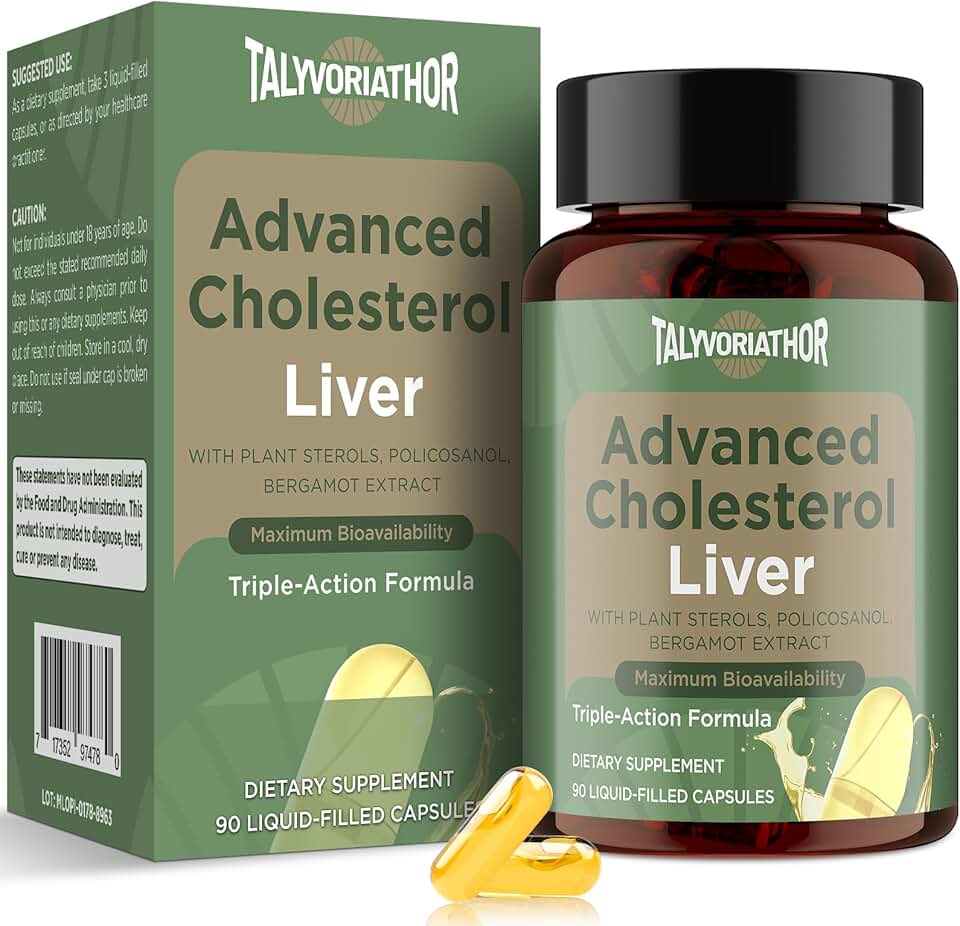
If you want a convenient way to try bergamot, some high-quality supplements combine it with other heart-healthy ingredients for maximum effectiveness.
---
3. Berberine: The "Natural Statin" for LDL & Blood Sugar
How It Works
Berberine is a compound found in plants like Berberis aristata and Coptis chinensis. It activates AMPK, an enzyme that regulates metabolism and cholesterol production. This makes it effective not only for lowering LDL cholesterol but also for managing blood sugar levels, making it a popular choice for people with diabetes or metabolic syndrome.
What the Science Says
A 2025 meta-analysis published on PubMed found that berberine can lower LDL cholesterol by 20–25%, comparable to some statins. It also reduces triglycerides by 15–25% and improves insulin sensitivity, making it a versatile option for overall metabolic health.
Dosage & Forms
- Typical dose: 500 mg, 2–3 times per day.
- Forms: Capsules, tablets, or liquid extracts.
- Best taken: Before meals to enhance absorption.
Side Effects & Risks
- GI upset: Berberine can cause diarrhea, cramping, or constipation, especially at higher doses.
- Drug interactions: Avoid combining berberine with cyclosporine or diabetes medications, as it can enhance their effects.
Who Should Avoid It?
- People taking immunosuppressants or diabetes medications.
- Pregnant or breastfeeding women.
Expert Tip
“Berberine is one of the most effective natural options for cholesterol and blood sugar management. However, its strong effects mean it’s not for everyone. Start with a low dose and monitor your body’s response.” — Dr. Emily Roberts, Endocrinologist
Many readers prefer berberine supplements that are standardized for purity and potency. Here’s a highly rated option:
---
4. Garlic: More Than Just a Kitchen Staple
How It Works
Garlic has been used for centuries for its medicinal properties, and modern science confirms its benefits for heart health. The active compound allicin helps reduce LDL cholesterol and prevent plaque buildup in the arteries. Garlic also has anti-inflammatory and antioxidant properties, making it a great all-around herb for cardiovascular support.
What the Science Says
A 2026 review published in the Journal of Nutrition found that aged garlic extract can reduce LDL cholesterol by 5–10% and lower blood pressure. While its effects on cholesterol are modest compared to other herbs, garlic’s additional benefits for circulation and inflammation make it a valuable addition to any heart-healthy regimen.
Dosage & Forms
- Typical dose: 600–1,200 mg of aged garlic extract per day.
- Forms: Capsules, tablets, or fresh garlic (1–2 cloves per day).
- Best taken: With meals to reduce the risk of heartburn.
Side Effects & Risks
- Bad breath and body odor: A common side effect of garlic supplements.
- Heartburn: Garlic can irritate the stomach, especially when taken on an empty stomach.
- Drug interactions: Garlic may increase the risk of bleeding when combined with blood thinners like warfarin.
Who Should Avoid It?
- People taking blood thinners or HIV medications.
- Those with garlic allergies or GERD (gastroesophageal reflux disease).
Expert Tip
“Garlic is a safe and effective option for mild cholesterol reduction. If you’re using supplements, opt for aged garlic extract, which is gentler on the stomach and more potent.” — Dr. James Wilson, Naturopathic Doctor
---5. Artichoke Leaf: The Underrated Cholesterol Fighter
How It Works
Artichoke leaf extract contains cynarin, a compound that inhibits cholesterol synthesis in the liver. It also increases bile production, which helps remove excess cholesterol from the body. While its effects are milder than other herbs, artichoke leaf is a safe and well-tolerated option for long-term use.
What the Science Says
A 2024 study published in Phytotherapy Research found that artichoke leaf extract can reduce LDL cholesterol by 10–15% over six weeks. It also has mild antioxidant properties, which support overall liver health.
Dosage & Forms
- Typical dose: 300–600 mg of artichoke leaf extract per day.
- Forms: Capsules, tablets, or liquid extracts.
- Best taken: With meals for optimal absorption.
Side Effects & Risks
- Mild GI upset: Some users report bloating or gas.
- Allergic reactions: Rare, but possible in people with ragweed or daisy allergies.
Who Should Avoid It?
- People with bile duct obstruction or gallstones.
- Those with ragweed allergies.
Expert Tip
“Artichoke leaf is a gentle and safe option for those looking to support their cholesterol levels naturally. It’s especially useful for people who can’t tolerate stronger herbs like red yeast rice.” — Dr. Karen Lee, Herbalist
For those who prefer a more traditional approach, herbal teas can be a soothing way to incorporate cholesterol-lowering herbs into your routine. Here’s a popular option:
---
Cholesterol-Lowering Herbs vs. Statins: Which Is Better?
Effectiveness Comparison (Table)
| Treatment | LDL Reduction | HDL Increase | Triglyceride Reduction | Side Effects | Cost |
|---|---|---|---|---|---|
| Red Yeast Rice | 20–30% | Mild | 10–15% | Muscle pain, liver risk | $$ |
| Bergamot | 15–20% | 5–10% | 10–20% | GI upset, drug interactions | $$$ |
| Berberine | 20–25% | Mild | 15–25% | GI upset, drug interactions | $ |
| Garlic | 5–10% | Mild | 5–10% | Bad breath, heartburn | $ |
| Artichoke Leaf | 10–15% | Mild | 5–10% | GI upset, allergies | $ |
| Statins | 30–50% | 5–10% | 10–30% | Muscle pain, diabetes risk | $ (generic) |
When to Choose Herbs Over Statins
- Mild to moderate high cholesterol: If your LDL is below 190 mg/dL, herbs may be a suitable alternative.
- Statin-intolerant patients: If you experience muscle pain or other side effects from statins, herbs like bergamot or berberine may be gentler options.
- Preventative care: If your cholesterol is borderline high, herbs can help prevent it from rising further.
When to Stick with Statins
- Very high LDL: If your LDL is above 190 mg/dL, statins are the most effective option.
- Existing heart disease: If you’ve had a heart attack or stroke, statins are critical for preventing recurrence.
- Genetic high cholesterol: Conditions like familial hypercholesterolemia require aggressive treatment with statins.
Can You Combine Herbs and Statins?
Combining herbs and statins is generally not recommended, as it can increase the risk of side effects. For example, red yeast rice contains monacolin K, which is chemically identical to lovastatin. Taking both could lead to excessive statin levels in your body, increasing the risk of muscle pain or liver damage.
Dr. Michael Brown, a cardiologist, advises: “Never combine red yeast rice with statins—it’s like taking a double dose. If you’re considering herbs, work with your doctor to adjust your medication regimen safely.”
---How to Use Cholesterol-Lowering Herbs Safely
Dosage Guidelines (Table)
| Herb | Standard Dose | Best Taken With | Avoid With |
|---|---|---|---|
| Red Yeast Rice | 600–1,200 mg/day | Food | Statins, fibrates, grapefruit |
| Bergamot | 500–1,000 mg extract/day | Morning (empty stomach) | Blood pressure meds |
| Berberine | 500 mg 2–3x/day | Before meals | Cyclosporine, diabetes meds |
| Garlic | 600–1,200 mg aged extract/day | With meals | Blood thinners (e.g., warfarin) |
| Artichoke Leaf | 300–600 mg extract/day | With meals | None major |
How Long Until You See Results?
Most people start to see a reduction in LDL cholesterol within 4–12 weeks of consistent use. However, the timeline can vary depending on factors like diet, exercise, and baseline cholesterol levels. For example, combining herbs with a Mediterranean diet and regular exercise can speed up results.
For a 30-day cholesterol-lowering meal plan, check out our Heart-Healthy Diet Guide.
How to Track Your Progress
- Get a lipid panel: Schedule a blood test before starting any herb and again after 3 months to monitor changes.
- Monitor side effects: Keep track of any muscle pain, GI upset, or other symptoms.
- Adjust dosage: If you’re not seeing results after 3 months, consult your doctor about adjusting your dose or trying a different herb.
Risks & Side Effects: What You Need to Know
Common Side Effects by Herb
- Red yeast rice: Muscle pain, liver enzyme elevation.
- Bergamot: GI upset, photosensitivity.
- Berberine: Diarrhea, cramping.
- Garlic: Bad breath, heartburn, bleeding risk.
- Artichoke leaf: Mild GI upset, allergies.
Who Should Avoid These Herbs?
- Pregnant or breastfeeding women: Limited safety data is available for most herbs.
- People with liver or kidney disease: Some herbs, like red yeast rice, can strain these organs.
- Those on blood thinners or diabetes medications: Herbs like garlic and berberine can interact with these drugs.
Drug Interactions to Watch For
- Red yeast rice + statins: Increased risk of muscle pain or liver damage.
- Berberine + cyclosporine: Dangerous drug interaction.
- Garlic + warfarin: Increased bleeding risk.
When to See a Doctor
- Severe muscle pain: Could indicate rhabdomyolysis, a rare but serious condition.
- Yellowing skin or eyes: Sign of liver issues.
- No improvement after 3 months: Your doctor may recommend adjusting your approach.
Lifestyle Changes to Boost Herb Effectiveness
The Mediterranean Diet for Cholesterol
The Mediterranean diet is one of the most effective dietary approaches for lowering cholesterol and improving heart health. It emphasizes:
- Healthy fats: Olive oil, nuts, and fatty fish like salmon.
- Fiber-rich foods: Whole grains, fruits, and vegetables.
- Lean proteins: Beans, lentils, and poultry.
- Avoid: Trans fats, processed meats, and sugary foods.
Exercise That Lowers LDL
Regular physical activity can help lower LDL cholesterol and raise HDL cholesterol. The best types of exercise for heart health include:
- Aerobic exercise: Walking, cycling, or swimming for at least 150 minutes per week.
- Resistance training: Weightlifting or bodyweight exercises 2–3 times per week.
- High-intensity interval training (HIIT): Short bursts of intense exercise followed by rest periods.
Stress & Sleep: The Overlooked Factors
Chronic stress and poor sleep can negatively impact cholesterol levels. High stress increases cortisol, a hormone that can raise LDL cholesterol, while poor sleep is linked to higher cholesterol and inflammation.
- Manage stress: Practice mindfulness, meditation, or yoga.
- Prioritize sleep: Aim for 7–9 hours of quality sleep per night.
FAQs About Cholesterol-Lowering Herbs
1. Do cholesterol-lowering herbs really work?
Yes, but their effectiveness varies. Herbs like red yeast rice, bergamot, and berberine have the strongest scientific backing, with studies showing they can lower LDL cholesterol by 15–30%. However, they’re not as potent as statins and work best when combined with a healthy lifestyle.
2. What’s the best herb for high cholesterol?
The best herb depends on your specific needs. Red yeast rice is the most effective for significant LDL reduction, while bergamot is a great option for raising HDL and lowering triglycerides. Berberine is ideal for those with high cholesterol and blood sugar issues.
3. Can I take berberine and bergamot together?
Yes, but it’s best to start with low doses to avoid GI upset. Both herbs work through different mechanisms, so they can complement each other. However, consult your doctor before combining them, especially if you’re on other medications.
4. How long does it take for herbs to lower cholesterol?
Most people see results within 4–12 weeks, depending on the herb and their baseline cholesterol levels. Combining herbs with diet and exercise can speed up the process.
5. Are cholesterol herbs safe for long-term use?
Most cholesterol-lowering herbs are safe for long-term use if monitored properly. However, red yeast rice may cause liver issues with prolonged use, so regular blood tests are recommended. Always consult your doctor before using herbs long-term.
6. Can I stop taking statins if I use herbs?
No, you should never stop taking statins without medical supervision. Herbs can be a complementary approach, but they’re not a replacement for statins, especially if you have very high cholesterol or existing heart disease.
7. What foods should I avoid while taking cholesterol herbs?
Avoid foods high in trans fats, saturated fats, and refined sugars, as they can counteract the benefits of cholesterol-lowering herbs. Focus on a Mediterranean-style diet rich in fiber, healthy fats, and lean proteins.
8. Do cholesterol herbs interact with blood pressure medication?
Yes, some herbs like bergamot and garlic can interact with blood pressure medications, either enhancing or reducing their effects. Always consult your doctor before combining herbs with prescription medications.
9. Can I take cholesterol herbs if I’m pregnant or breastfeeding?
Most cholesterol-lowering herbs lack sufficient safety data for pregnant or breastfeeding women. It’s best to avoid them unless approved by your healthcare provider.
10. What’s the safest cholesterol-lowering herb?
Artichoke leaf is one of the safest options, with minimal side effects. However, its effects are milder compared to herbs like red yeast rice or berberine. Always choose a high-quality supplement and consult your doctor before starting any new herb.
11. Can I take cholesterol herbs with other supplements?
It depends on the supplements. For example, combining red yeast rice with CoQ10 may help reduce muscle pain, while combining berberine with magnesium can support overall heart health. However, avoid combining multiple cholesterol-lowering herbs without professional guidance.
12. What’s the best time of day to take cholesterol herbs?
It depends on the herb. Bergamot is best taken in the morning on an empty stomach, while garlic and artichoke leaf are best taken with meals to reduce GI upset. Berberine should be taken before meals for optimal absorption.
13. Can cholesterol herbs help with triglycerides?
Yes, herbs like bergamot and berberine are particularly effective for lowering triglycerides. A 2025 meta-analysis found that berberine can reduce triglycerides by 15–25%.
14. Are there any cholesterol herbs without side effects?
No herb is completely without side effects, but artichoke leaf and garlic are generally well-tolerated with minimal risks. Always start with a low dose to assess your body’s response.
15. How do I choose a high-quality cholesterol herb supplement?
Look for supplements that are:
- Standardized: Contain a specific percentage of active compounds (e.g., 2% monacolin K in red yeast rice).
- Third-party tested: Certified by organizations like USP, NSF, or ConsumerLab.
- Free of fillers: Avoid products with artificial ingredients, preservatives, or allergens.
Conclusion: Should You Try Cholesterol-Lowering Herbs?
The Bottom Line
Cholesterol-lowering herbs can be a valuable tool for managing high cholesterol, especially if you’re looking for natural alternatives to statins. Herbs like red yeast rice, bergamot, and berberine have strong scientific backing and can lower LDL cholesterol by 15–30%. However, they’re not a replacement for statins in severe cases or for those with existing heart disease.
The safest and most effective approach is to combine herbs with lifestyle changes, such as a Mediterranean diet, regular exercise, and stress management. Always consult your doctor before starting any new supplement, especially if you’re on medications or have underlying health conditions.
Next Steps
- Get a lipid panel: Check your baseline cholesterol levels before starting any herb.
- Pick one herb: Start with bergamot or berberine for a balanced approach.
- Combine with lifestyle changes: Focus on diet, exercise, and stress management for the best results.
- Monitor your progress: Get a follow-up lipid panel after 3 months to track changes.
- Consult your doctor: Work with a healthcare provider to adjust your plan as needed.
Final Expert Advice
“Herbs can be a great addition to your cholesterol-lowering plan, but they’re not a standalone solution. Always pair them with a heart-healthy lifestyle and regular blood tests to ensure they’re working effectively.” — Dr. David Miller, Cardiologist
Want more science-backed tips for heart health? Subscribe to our newsletter for weekly insights and updates!
---Medical Disclaimer
This article is for educational purposes only and is not intended as medical advice. Always consult a healthcare professional before starting any new supplement or treatment, especially if you have underlying health conditions or are taking medications. Herbs are not a replacement for prescription medications, and their effectiveness can vary from person to person. Afya Asili Herbs does not claim that any herb can cure, treat, or prevent any disease.