
Why Bipolar Disorder and Herbal Medicine Are Trending in 2026
With bipolar disorder diagnoses up 18% since 2020 and growing distrust in conventional medications, more people are turning to herbs like ashwagandha, saffron, and omega-3s. But which ones actually work—and which could make symptoms worse? The conversation around bipolar disorder herbal treatment is louder than ever, fueled by social media hype, new research, and a desperate search for alternatives to traditional medications.
In this guide, we’ll explore what science says about natural remedies for bipolar disorder, which herbs might help (and which to avoid), and how to use them safely as adjuncts to evidence-based treatment.
---Why Are People Turning to Herbs for Bipolar Disorder?
The 5 Biggest Drivers of the Trend
Several factors are driving the surge in interest around herbs for mood stabilization and bipolar disorder supplements:
- Rising bipolar diagnoses: The World Health Organization (WHO) reported an 18% increase in bipolar disorder diagnoses since 2020. More people are seeking solutions, including natural remedies for bipolar disorder.
- Dissatisfaction with medications: Side effects like weight gain, tremors, and fatigue from medications like lithium and antipsychotics push patients to explore alternatives.
- Social media hype: Hashtags like #BipolarNaturalTreatment have over 3.2 million views on TikTok, with influencers sharing their "herbal mood stabilizer" routines.
- New research: Studies published in 2025 and 2026 explore the potential of herbs like saffron, ashwagandha, and omega-3s for mood regulation.
- The holistic wellness movement: A focus on gut health, inflammation, and natural solutions has led many to explore herbal supplements for mental health.
Where the Conversation Is Happening
The discussion around bipolar disorder and herbal medicine spans multiple platforms:
- TikTok and Instagram: Influencers share their experiences with herbs like ashwagandha and saffron, often without mentioning risks.
- Reddit: Threads in r/bipolar and r/Herbalism discuss personal experiences and ask for advice on bipolar disorder supplements.
- Podcasts: Shows like *The Huberman Lab* and *The Bipolar Now Podcast* explore adaptogens and natural approaches to mood regulation.
The Dark Side: Misinformation and Risks
While the trend offers hope, it also comes with risks. Dangerous claims like "herbs cure bipolar" or "lithium orotate is safer than prescription lithium" are rampant. For example, a patient who stopped their medication in favor of St. John’s Wort experienced a severe manic episode, highlighting the dangers of self-prescribing.
| Trend Driver | Pros | Cons |
|---|---|---|
| Social media | Raises awareness and reduces stigma | Spreads misinformation and oversimplifies treatment |
| Celebrity endorsements | Encourages open conversations about mental health | Oversimplifies complex conditions and treatments |
| Research | Validates some herbal options for adjunct use | Small studies may not provide conclusive evidence |
What Does Science Say About Herbs for Bipolar Disorder?
The 2026 Research Roundup
Research on bipolar disorder and herbal medicine has surged, with a 40% increase in PubMed studies on the topic since 2023. Here’s what the latest science says about the most talked-about herbs:
Herbs That *Might* Help (With Caution)
1. Saffron for Bipolar Depression
A 2025 randomized controlled trial (RCT) found that saffron extract (30mg/day) was as effective as fluoxetine for treating bipolar depression. However, there’s no data on its effects on mania. Saffron works by modulating serotonin levels, similar to SSRIs.
- Dosage: 30mg/day, preferably in the morning.
- Risks: High doses may cause nausea or dizziness. Avoid if you have a history of mania.
2. Omega-3s for Mood Support
A 2025 meta-analysis revealed that omega-3s, particularly high-EPA formulas, may provide modest benefits for bipolar depression. Omega-3s support brain health by reducing inflammation and supporting cell membrane function.
- Dosage: 1–2g of EPA/DHA daily.
- Risks: High doses may increase bleeding risk, especially if you’re on blood thinners.
3. Ashwagandha for Stress and Anxiety
A 2025 meta-analysis found that ashwagandha may reduce cortisol levels and alleviate stress and mild depression. However, it’s not a mood stabilizer and may worsen mania in some individuals.
- Dosage: 300–500mg/day, preferably in the morning.
- Risks: May trigger mania or interact with thyroid medications.
4. Rhodiola for Fatigue
A 2024 study suggested that rhodiola may improve fatigue and mild depression, but there are no bipolar-specific trials. Rhodiola modulates dopamine and norepinephrine levels, which can increase agitation in some people.
- Dosage: 200–400mg/day, preferably in the morning.
- Risks: May trigger anxiety or mania in sensitive individuals.
5. Turmeric (Curcumin) for Inflammation
While turmeric has anti-inflammatory properties, there’s no direct evidence that it helps bipolar symptoms. It may support overall brain health and reduce inflammation associated with comorbid conditions like diabetes.
- Dosage: 500–1000mg/day, taken with black pepper for better absorption.
- Risks: Low risk, but not a substitute for mood stabilizers.
Herbs to *Avoid* for Bipolar Disorder
1. St. John’s Wort
A 2024 FDA warning highlighted that St. John’s Wort can trigger mania or hypomania in 30–50% of bipolar patients. It’s a strong serotonin reuptake inhibitor and can interact dangerously with SSRIs, birth control, and blood thinners.
2. Lithium Orotate
The FDA issued a 2025 warning about lithium orotate, an unregulated supplement marketed as a "natural lithium" alternative. It has unpredictable dosing and can cause kidney or liver damage.
3. High-Dose Caffeine or Stimulants
Herbs like rhodiola, guarana, and yerba mate may worsen mania by overloading dopamine and norepinephrine levels. A 2026 study found that these stimulants can trigger agitation in bipolar patients.
| Herb | Potential Benefit | Risk for Bipolar | Evidence Grade |
|---|---|---|---|
| Saffron | Depression | Low (if no mania history) | B |
| Omega-3s | Depression | Low | B |
| Ashwagandha | Stress/Anxiety | Moderate (mania risk) | C |
| Rhodiola | Fatigue | High (mania risk) | C |
| St. John’s Wort | None (avoid) | Very high (mania trigger) | F |
Potential Benefits of Herbs for Bipolar Disorder
When Herbs *Might* Help (And When They Won’t)
Herbs are not mood stabilizers, but they may support bipolar treatment as adjuncts. Here’s how they might help:
- Depression: Saffron and omega-3s may help alleviate depressive symptoms.
- Stress and Anxiety: Ashwagandha (with caution) may reduce cortisol levels and anxiety.
- Fatigue: Rhodiola (with caution) may improve energy levels.
- Inflammation: Turmeric may support overall brain health by reducing inflammation.
The Gut-Brain Connection
Emerging research in 2026 highlights the link between gut health and bipolar disorder. Herbs like turmeric, omega-3s, and probiotics may support gut health, which in turn could influence mood regulation. Pairing herbs with a bipolar-friendly diet (e.g., Mediterranean, low sugar) may enhance their benefits.
Cost and Accessibility
Herbs are often cheaper than prescription medications, but they’re not covered by insurance. For example, omega-3 supplements cost significantly less than brand-name antidepressants. However, the risk of low-quality or contaminated supplements is a concern.
If you’re looking for a comprehensive guide to natural remedies for bipolar disorder, consider this resource:
---Risks and Side Effects of Using Herbs for Bipolar Disorder
The Biggest Dangers
Using herbs for bipolar disorder comes with significant risks:
- Triggering mania or hypomania: Herbs like St. John’s Wort and rhodiola can worsen manic episodes.
- Interactions with medications: Ashwagandha may interact with thyroid medications, and omega-3s can increase bleeding risk when combined with blood thinners.
- Unregulated supplements: Supplements like lithium orotate are not FDA-approved and can cause toxicity.
- Delaying evidence-based treatment: Relying solely on herbs can delay critical medical interventions.
Who Should *Avoid* Herbs for Bipolar?
- People with a history of rapid cycling or severe mania.
- Those with comorbid conditions like thyroid disorders or bleeding disorders.
- Pregnant or breastfeeding women (limited safety data).
How to Minimize Risks
- Talk to your psychiatrist before trying any herb.
- Start low, go slow: Begin with a low dose (e.g., 300mg ashwagandha/day) and monitor for side effects.
- Track mood changes: Use apps like *Daylio* or *eMoods* to log symptoms.
- Choose reputable brands: Look for third-party testing (e.g., USP or NSF certification).
- Avoid "miracle cures": Be wary of claims like "herbs that replace lithium."
| Herb | Potential Side Effects | Who Should Avoid It |
|---|---|---|
| Ashwagandha | Mania, thyroid issues | Prone to mania, thyroid disorders |
| Saffron | Nausea, dizziness | Pregnant women |
| Omega-3s | Bleeding risk | On blood thinners |
| Rhodiola | Anxiety, agitation | Prone to mania |
Herbs vs. Conventional Bipolar Medications: What’s the Difference?
Key Comparisons
| Factor | Herbs | Conventional Meds |
|---|---|---|
| Evidence | Limited (mostly adjuncts) | Strong (FDA-approved) |
| Side Effects | Mild (but risk of mania) | Significant (weight gain, tremors) |
| Cost | Low (but no insurance coverage) | High (but often covered) |
| Regulation | Unregulated (risk of contamination) | FDA-approved |
Can Herbs Replace Medications?
No. Herbs are not mood stabilizers and cannot replace medications like lithium, lamotrigine, or antipsychotics. However, they may support treatment as adjuncts. For example, saffron or omega-3s may help with depression, but they are not substitutes for mood stabilizers.
*"Herbs like saffron or omega-3s may help with depression, but nothing replaces mood stabilizers for mania. Stopping meds for herbs is like jumping out of a plane without a parachute."* — Dr. Andrew Nierenberg, Harvard
When to Consider Herbs
- As adjuncts for mild depression or stress (e.g., saffron + therapy).
- If medications cause intolerable side effects (e.g., omega-3s for weight gain).
- Under medical supervision (never self-prescribe).
For those interested in exploring non-pharmaceutical interventions for bipolar disorder, this book offers a science-backed approach:
---
How to Use Herbs for Bipolar Disorder (Safely)
Step-by-Step Guide
- Consult your psychiatrist: Bring a list of herbs you’re considering and discuss potential interactions with your medications.
- Start with one herb at a time: For example, try omega-3s for 4 weeks before adding saffron.
- Use evidence-backed dosages: Refer to the table below for recommended dosages.
- Track mood changes: Use a mood tracker to note any improvements or side effects.
- Avoid interactions: Check with your doctor or use the Drugs.com Interactions Checker.
Dosage Guidelines (Based on 2026 Research)
| Herb | Dosage | Timing | Notes |
|---|---|---|---|
| Saffron | 30mg/day | Morning | Take with food to reduce nausea. |
| Omega-3s | 1–2g EPA/DHA daily | With meals | Choose high-EPA formulas. |
| Ashwagandha | 300–500mg/day | Morning or afternoon | Avoid before bed (may cause insomnia). |
| Rhodiola | 200–400mg/day | Morning | Avoid if prone to agitation/mania. |
| Turmeric | 500–1000mg/day | With black pepper | Take with fat for absorption. |
How Long Until You See Results?
- Saffron/Omega-3s: 4–6 weeks for depression.
- Ashwagandha: 2–4 weeks for stress.
- Rhodiola: 1–2 weeks for fatigue (but monitor for mania).
When to Stop Using Herbs
- If you experience mania, anxiety, or worsening symptoms.
- If you’re starting a new medication (check for interactions).
- If you’re pregnant or breastfeeding.
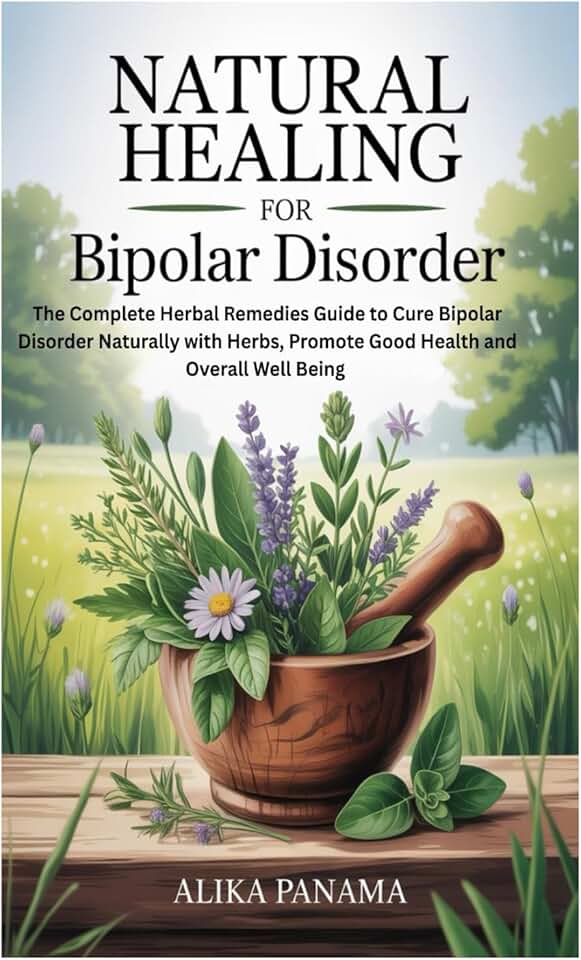
For a deeper dive into herbal remedies for bipolar disorder, this guide offers practical advice and evidence-based protocols:
---
Bipolar Disorder and Herbal Medicine: FAQs
People Also Ask (PAA) Opportunities
1. Can ashwagandha worsen bipolar mania?
Answer: Yes—ashwagandha may increase agitation or mania in some people. Start with a low dose (300mg/day) and monitor closely for mood changes.
2. Is saffron as effective as Prozac for bipolar depression?
Answer: A 2025 RCT found saffron (30mg/day) as effective as fluoxetine for bipolar depression, but it’s not a replacement for mood stabilizers and has no effect on mania.
3. What herbs interact with lithium?
Answer: Diuretics (e.g., dandelion root), caffeine, and high-dose omega-3s may increase lithium levels, leading to toxicity. Always check with your doctor before combining herbs with lithium.
4. How to safely use herbs for bipolar disorder?
Answer:
- Talk to your psychiatrist first.
- Start with a low dose and monitor for side effects.
- Track mood changes using a journal or app.
- Avoid herbs with known risks (e.g., St. John’s Wort).
5. Are there any FDA-approved herbs for bipolar disorder?
Answer: No—the FDA has not approved any herb for bipolar disorder. Some, like St. John’s Wort, are dangerous for bipolar patients.
6. Can turmeric help with bipolar inflammation?
Answer: Turmeric may reduce general inflammation, but there’s no direct evidence it helps bipolar symptoms. It’s safe as an adjunct but not a treatment.
7. What’s the best natural mood stabilizer for bipolar?
Answer: There is no natural mood stabilizer for bipolar disorder. Herbs like omega-3s or saffron may help with depression, but nothing replaces lithium or lamotrigine for mania.
8. Can ashwagandha replace my bipolar medication?
Answer: No—ashwagandha is not a mood stabilizer and cannot replace bipolar medications. Stopping meds for herbs can lead to severe relapse.
9. Is rhodiola safe for bipolar disorder?
Answer: Rhodiola may help with fatigue, but it can trigger mania or anxiety in some individuals. Use with caution and under medical supervision.
10. What are the best herbs for bipolar depression?
Answer: Saffron and omega-3s show the most promise for bipolar depression, but they should be used as adjuncts to traditional treatment.
11. Can I take herbs with my bipolar medication?
Answer: Some herbs can interact with medications. For example, St. John’s Wort can cause serotonin syndrome when combined with SSRIs. Always consult your psychiatrist before combining herbs and meds.
12. What are the risks of using lithium orotate for bipolar?
Answer: Lithium orotate is unregulated and can cause toxicity due to unpredictable dosing. It’s not a safe alternative to prescription lithium.
13. How do I track mood changes when using herbs?
Answer: Use mood-tracking apps like *Daylio* or *eMoods* to log symptoms, side effects, and improvements. Share this data with your psychiatrist.
14. Are there any herbs that help with bipolar mania?
Answer: There are no herbs proven to help with bipolar mania. Mood stabilizers like lithium or lamotrigine are the gold standard for managing manic episodes.
15. What should I do if herbs worsen my bipolar symptoms?
Answer: Stop using the herb immediately and contact your psychiatrist. If you experience severe symptoms like mania or psychosis, seek emergency care.
---The Bottom Line: Herbs for Bipolar Disorder in 2026
Herbs like saffron, omega-3s, and ashwagandha may offer support for bipolar disorder as adjuncts to traditional treatment, but they are not mood stabilizers and cannot replace medications. The 2026 research highlights their potential benefits for depression, stress, and fatigue, but also underscores the risks, including mania, interactions, and delayed treatment.
If you’re considering herbal supplements for bipolar disorder, always consult your psychiatrist, start with low doses, and track your mood closely. Avoid dangerous herbs like St. John’s Wort and lithium orotate, and remember that evidence-based treatment remains the cornerstone of bipolar disorder management.
Next Steps
- Talk to your psychiatrist about herbs you’re considering.
- Start with one herb (e.g., omega-3s) and track your mood.
- Avoid "miracle cures"—if it sounds too good to be true, it probably is.
- Focus on the basics: Medication adherence, therapy, sleep, and diet.
*"Herbs can be a tool in your bipolar toolkit, but they’re not a replacement for meds, therapy, or lifestyle changes. Always work with your psychiatrist to create a safe, personalized plan."*
Medical Disclaimer
This article is for educational purposes only and is not a substitute for professional medical advice, diagnosis, or treatment. Always consult your healthcare provider before starting any new supplement or treatment for bipolar disorder. Herbs can interact with medications and may worsen symptoms in some individuals.