
Psyllium husk is the fiber supplement everyone’s talking about in 2026—but is it a miracle cure or just hype? Here’s what the science (and TikTok) says.
In the last year alone, searches for psyllium husk benefits have skyrocketed by 120%, and social media is flooded with testimonials from wellness influencers, doctors, and everyday users. From relieving Ozempic-induced constipation to lowering cholesterol and supporting gut health, psyllium husk is being hailed as a gut health superstar. But does it live up to the hype?
In this ultimate guide, we’ll dive deep into the science-backed benefits of psyllium husk, explore its risks and side effects, and show you how to use it safely. We’ll also cover the latest 2026 trends, compare it to other fiber supplements, and share expert tips for getting the most out of this powerful fiber. Whether you’re curious about its role in weight loss, blood sugar control, or digestive health, we’ve got you covered.
---Why Psyllium Husk Is Exploding in Popularity in 2026
The Data Behind the Hype
Psyllium husk isn’t just a passing trend—it’s a full-blown movement. Here’s why:
- Google Trends: Searches for psyllium husk benefits have surged by 120% year-over-year, making it one of the most searched health topics of 2026.
- TikTok: Over 3.1 million videos are tagged with #PsylliumHusk, with an average of 18,000 views per video. From "psyllium water for bloating" to "30-day psyllium challenges," the platform is buzzing with creative ways to use this fiber.
- Instagram: The hashtag #Psyllium has racked up over 22 million likes, with influencers and celebrities sharing their success stories.
- Media Coverage: Major outlets like The New York Times, Healthline, and BBC Good Food have featured psyllium husk as a must-try supplement for gut health and beyond.
- Amazon Best Sellers: Psyllium husk products dominate the top spots in fiber supplements, with brands like NOW Foods and Garden of Life leading the charge.
Cultural Shifts Driving the Trend
Several cultural shifts are fueling the psyllium husk craze:
- Post-Pandemic Gut Health Focus: After years of prioritizing immunity and mental health, people are now turning their attention to gut health as a cornerstone of overall wellness.
- GLP-1 Drug Side Effects: Medications like Ozempic and Wegovy have surged in popularity, but their side effects—particularly constipation—have led many users to seek natural solutions like psyllium husk.
- Prebiotic Awareness: There’s a growing understanding of the role prebiotics play in feeding the good bacteria in our gut, and psyllium husk is a standout in this category.
- Clean Label Movement: Consumers are demanding natural, additive-free supplements, and psyllium husk fits the bill perfectly.
Product Innovations in 2026
The psyllium husk market is evolving rapidly, with new products hitting the shelves to meet consumer demand:
- Psyllium-Infused Foods: Granola bars, protein powders, and even gut-health drinks are now incorporating psyllium husk for an extra fiber boost.
- Flavored Psyllium Powders: Brands are introducing berry, citrus, and vanilla-flavored psyllium husk powders to make them more palatable.
- Psyllium Gummies: Perfect for kids or those who dislike the texture of powder, these gummies are a convenient way to get your daily fiber.
How to Spot Psyllium Husk Trends in Real Time
Want to stay ahead of the curve? Here’s how to track psyllium husk trends as they happen:
- Google Trends: Monitor search volume spikes for terms like "psyllium husk for bloating" or "psyllium vs. Metamucil."
- TikTok and Instagram: Follow hashtags like #PsylliumHusk and #GutHealth to see what’s trending in real time.
- Reddit: Join communities like r/supplements and r/guthealth to read firsthand accounts and discussions.
- Amazon Best Sellers: Check the "Best Sellers in Fiber Supplements" list to see which products are flying off the shelves.
- PubMed: Stay updated on the latest scientific studies by searching for "psyllium husk" in the PubMed database.
What Is Psyllium Husk? A Quick Primer
The Basics: What Is Psyllium Husk?
Psyllium husk is a soluble fiber derived from the seeds of the Plantago ovata plant, which is native to India and Pakistan. It’s been used for centuries in traditional medicine for its digestive benefits, and today, it’s one of the most popular fiber supplements on the market.
Psyllium husk works by absorbing water in your gut, forming a gel-like substance that softens stools and promotes regular bowel movements. It’s also a prebiotic, meaning it feeds the beneficial bacteria in your gut, supporting overall digestive health.
Psyllium Husk vs. Other Fiber Supplements
Not all fiber supplements are created equal. Here’s how psyllium husk stacks up against other popular options:
| Fiber Type | Psyllium Husk | Metamucil | Inulin | Methylcellulose |
|---|---|---|---|---|
| Source | Plantago ovata seeds | Psyllium husk + additives | Chicory root | Synthetic |
| Soluble/Insoluble | Mostly soluble | Mostly soluble | Soluble | Insoluble |
| Prebiotic? | Yes | No | Yes | No |
| FDA-Approved Claims | Lowers cholesterol | Lowers cholesterol | None | Relieves constipation |
| Common Uses | Constipation, cholesterol, blood sugar | Constipation | Gut health, prebiotic | Constipation |
| Side Effects | Bloating, gas | Bloating, gas | Gas, cramping | Rare |
Psyllium Husk in Traditional Medicine
Psyllium husk has a long history of use in traditional medicine:
- Ayurveda: Used for centuries as a digestive tonic to promote bowel regularity and overall gut health.
- Traditional Chinese Medicine (TCM): Valued for its ability to support bowel movements and detoxify the body.
- Modern Medicine: The FDA has approved psyllium husk for its cholesterol-lowering benefits, making it one of the few fiber supplements with a health claim.
The Science Behind Psyllium Husk: What the Research Says in 2026
Clinically Proven Benefits of Psyllium Husk
Psyllium husk isn’t just popular—it’s backed by science. Here’s what the research says about its benefits:
| Benefit | Evidence Level | Dose Studied | Key Findings | Sources |
|---|---|---|---|---|
| Constipation Relief | High | 5–10 g/day | Increases stool bulk and softens stools, making them easier to pass. | Cochrane Review 2025 |
| Diarrhea Management | Moderate | 5–10 g/day | Absorbs excess water in the gut, helping to firm up stools. | 2026 RCT |
| Cholesterol Lowering | High | 10–12 g/day | Lowers LDL cholesterol by 5–10%, reducing the risk of heart disease. | FDA Health Claim |
| Blood Sugar Control | Moderate | 10–15 g/day | Reduces post-meal glucose spikes by 10–20%, improving insulin sensitivity. | 2025 Meta-Analysis |
| Gut Microbiome Support | Emerging | 5–10 g/day | Acts as a prebiotic, increasing beneficial bacteria like Bifidobacteria and Lactobacilli. | 2025 Human Trial |
| Weight Loss | Low-Moderate | 10–15 g/day | May reduce calorie intake by ~100 kcal/day by increasing satiety. | 2026 Pilot Study |
What the Science *Doesn’t* Prove (Yet)
While psyllium husk has many proven benefits, there are some claims that lack strong scientific backing:
- Weight Loss: Most studies show modest, short-term effects. Long-term weight loss requires a combination of diet, exercise, and lifestyle changes.
- Gut Microbiome: While psyllium acts as a prebiotic, more research is needed to understand its specific effects on mental health and immune function.
- Cancer Prevention: There’s no direct evidence that psyllium husk prevents cancer, though fiber in general is linked to a lower risk of colorectal cancer.
Psyllium Husk and the Gut-Brain Axis
Emerging research suggests a strong link between gut health and mental health, often referred to as the gut-brain axis. Psyllium husk plays a role in this connection by:
- Feeding Beneficial Bacteria: As a prebiotic, psyllium husk supports the growth of Bifidobacteria and Lactobacilli, which produce short-chain fatty acids (SCFAs) like butyrate.
- Reducing Inflammation: SCFAs like butyrate have anti-inflammatory effects, which may support brain health and reduce symptoms of anxiety and depression.
- Improving Gut Barrier Function: A healthy gut lining prevents leaky gut syndrome, which has been linked to mood disorders and cognitive decline.
While the research is still in its early stages, the potential for psyllium husk to support mental wellness is an exciting area of study.
Psyllium Husk vs. Other Prebiotics
Psyllium husk isn’t the only prebiotic on the market. Here’s how it compares to other popular options:
| Prebiotic | Psyllium Husk | Inulin | Resistant Starch | Beta-Glucan |
|---|---|---|---|---|
| Source | Plantago ovata seeds | Chicory root | Green bananas, oats | Oats, barley |
| Fermentability | Low | High | High | Moderate |
| SCFA Production | Butyrate (some) | Butyrate (high) | Butyrate (high) | Propionate |
| Best For | Constipation, cholesterol | Gut health, prebiotic | Blood sugar, satiety | Cholesterol, immunity |
Psyllium Husk Benefits: What It Can (and Can’t) Do for You
Digestive Health: Constipation, Diarrhea, and IBS
Psyllium husk is best known for its digestive benefits. Here’s how it works:
- Constipation Relief: Psyllium husk absorbs water in the gut, forming a gel-like substance that bulks up stools and stimulates peristalsis (the wave-like contractions that move stool through the intestines). This makes it easier to pass stools and promotes regularity.
- Diarrhea Management: For those with diarrhea, psyllium husk can absorb excess water in the gut, helping to firm up stools. This makes it useful for conditions like IBS-D (Irritable Bowel Syndrome with Diarrhea).
- IBS Support: Psyllium husk may help balance bowel movements in people with IBS. However, it’s important to start with a low dose (1 tsp/day) to avoid bloating or gas.
- Diverticulosis: By keeping stools soft and regular, psyllium husk may prevent flare-ups of diverticulosis, a condition where small pouches form in the colon.
Cholesterol and Heart Health
One of the most well-documented benefits of psyllium husk is its ability to lower LDL cholesterol. Here’s how it works:
- Bile Acid Binding: Psyllium husk binds to bile acids in the gut, preventing them from being reabsorbed into the bloodstream. The liver then uses LDL cholesterol to produce more bile acids, effectively lowering cholesterol levels.
- FDA-Approved Claim: The FDA has approved the claim that 10–12 g of psyllium husk per day may reduce the risk of heart disease by lowering LDL cholesterol.
- Dosage for Cholesterol: To see benefits, aim for 10–12 g of psyllium husk per day, split into two doses. It’s best taken before meals.
- Comparison to Statins: While psyllium husk can lower LDL cholesterol by 5–10%, it’s not a replacement for statins or other cholesterol-lowering medications. However, it can be a complementary therapy for those looking to improve their heart health naturally.
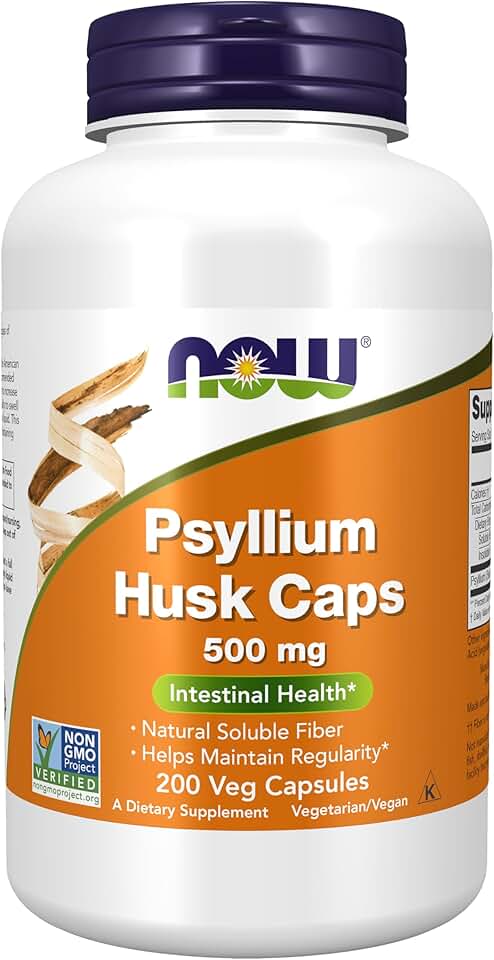
If you want a convenient way to incorporate psyllium husk into your routine, consider trying NOW Foods Psyllium Husk Capsules. They’re non-GMO, easy to take, and perfect for those who prefer capsules over powder.
Blood Sugar Control and Diabetes
Psyllium husk can be a powerful tool for managing blood sugar levels, especially for those with type 2 diabetes or prediabetes. Here’s how it works:
- Slows Carbohydrate Absorption: Psyllium husk forms a gel-like substance in the gut, which slows the absorption of carbohydrates. This helps prevent post-meal glucose spikes and improves overall blood sugar control.
- Improves Insulin Sensitivity: Some studies suggest that psyllium husk may enhance insulin sensitivity, making it easier for your body to use glucose effectively.
- Evidence: A 2025 meta-analysis found that psyllium husk can reduce post-meal glucose spikes by 10–20%.
- Best Practices:
- Take 5–10 g of psyllium husk 15–30 minutes before meals.
- Combine with a low-glycemic diet for best results.
- Monitor your blood sugar levels to see how psyllium husk affects you personally.
Weight Loss: Does It Really Work?
Psyllium husk is often marketed as a weight loss aid, but does it live up to the hype? Here’s what the science says:
- Mechanism: Psyllium husk increases satiety by forming a gel-like substance in the stomach, which helps you feel full longer and reduces overall calorie intake.
- Evidence: A 2026 pilot study found that psyllium husk may reduce calorie intake by ~100 kcal per day. However, most studies show modest, short-term effects.
- How to Use for Weight Loss:
- Drink psyllium water (1 tsp of psyllium husk in 16 oz of water) 15–30 minutes before meals to reduce appetite.
- Combine with high-protein and high-fiber meals to enhance satiety.
- Incorporate regular exercise for sustainable weight loss.
- Limitations: Psyllium husk is not a magic bullet. It works best when combined with a balanced diet and active lifestyle.
For those who prefer a tasteless, easy-to-mix option, It’s Just! Psyllium Husk Powder is a great choice. It’s GLP-1 friendly, keto-friendly, and perfect for adding to smoothies or water.

Gut Microbiome and Prebiotic Effects
Your gut microbiome plays a crucial role in your overall health, influencing everything from digestion to immunity and even mental health. Psyllium husk supports a healthy gut microbiome in several ways:
- Prebiotic Definition: Prebiotics are non-digestible fibers that feed the beneficial bacteria in your gut. Psyllium husk is a prebiotic that supports the growth of Bifidobacteria and Lactobacilli.
- Short-Chain Fatty Acids (SCFAs): These beneficial bacteria produce SCFAs like butyrate, propionate, and acetate, which:
- Reduce inflammation in the gut.
- Support colon health.
- Improve insulin sensitivity.
- Regulate appetite.
- Emerging Research: Some studies suggest that psyllium husk may have mental health benefits by supporting the gut-brain axis. However, more research is needed in this area.
Other Potential Benefits
While psyllium husk is best known for its digestive and heart health benefits, it may also offer other advantages:
- Colon Cancer Prevention: While there’s no direct evidence that psyllium husk prevents colon cancer, fiber in general is linked to a lower risk of colorectal cancer.
- Acid Reflux (GERD): Some anecdotal reports suggest that psyllium husk may absorb stomach acid and improve symptoms of acid reflux, though more research is needed.
- Detox Myth: Despite what you may have heard, there’s no evidence that psyllium husk "detoxes" the body. Your liver and kidneys handle detoxification naturally.
Risks and Side Effects: What You Need to Know
Common Side Effects
While psyllium husk is generally safe, it can cause some mild side effects, especially when you first start taking it:
- Bloating and Gas: This is the most common side effect, particularly in the first 1–2 weeks. Your gut bacteria need time to adjust to the increased fiber intake.
- Abdominal Cramping: Some people experience mild cramping as their digestive system adapts to psyllium husk.
- Choking Hazard: Psyllium husk expands when mixed with water, so it’s important to drink plenty of water to avoid choking or blockages.
- Allergic Reactions: While rare, some people may experience allergic reactions to psyllium husk, such as asthma or skin rashes. This is more common in people who work in psyllium factories.
Serious Risks and When to Avoid Psyllium
While psyllium husk is safe for most people, there are some serious risks to be aware of:
- Intestinal Blockage: If you don’t drink enough water with psyllium husk, it can expand and cause a blockage in your intestines. This is especially risky for people with strictures or motility disorders.
- Drug Interactions: Psyllium husk can interfere with the absorption of certain medications, including:
- Thyroid Medications (e.g., levothyroxine): Take psyllium husk 2+ hours apart from thyroid medications.
- Diabetes Medications (e.g., insulin): Psyllium husk may enhance the blood sugar-lowering effects of these medications, so monitor your levels closely.
- Antidepressants (e.g., lithium, carbamazepine): Psyllium husk may delay the absorption of these medications.
- Heart Medications (e.g., digoxin): Psyllium husk may reduce the effectiveness of these medications.
- Who Should Avoid Psyllium Husk:
- People with esophageal strictures or bowel obstructions.
- Those with phenylketonuria (PKU), as some psyllium products contain aspartame.
- Pregnant or breastfeeding women should consult a doctor before using psyllium husk.
Psyllium Husk and Nutrient Absorption
Psyllium husk may bind to certain minerals (e.g., iron, zinc, calcium) and reduce their absorption. To avoid this:
- Take psyllium husk 2+ hours apart from meals or supplements rich in these minerals.
- If you have a nutrient deficiency, talk to your doctor before taking psyllium husk.
Long-Term Safety: What the Research Says
Psyllium husk is generally safe for long-term use, with studies showing no major risks at doses up to 30 g/day. However:
- High doses may cause bloating or nutrient malabsorption.
- Expert Recommendation: If you plan to use psyllium husk long-term, consider cycling it (e.g., 3 months on, 1 month off) to avoid potential side effects.
How to Take Psyllium Husk: Dosage, Timing, and Best Practices
Choosing the Right Form
Psyllium husk comes in several forms, each with its own pros and cons:
| Form | Pros | Cons | Best For |
|---|---|---|---|
| Powder | Most versatile, cost-effective | Can clump if not mixed well | Daily use, recipes |
| Capsules | Convenient, no taste | More expensive, slower to work | Travel, on-the-go |
| Whole Husks | Cheapest, retains fiber integrity | Gritty texture, harder to mix | Budget-conscious users |
| Gummies | Tasty, easy to take | Often contain sugar/additives | Kids, picky eaters |
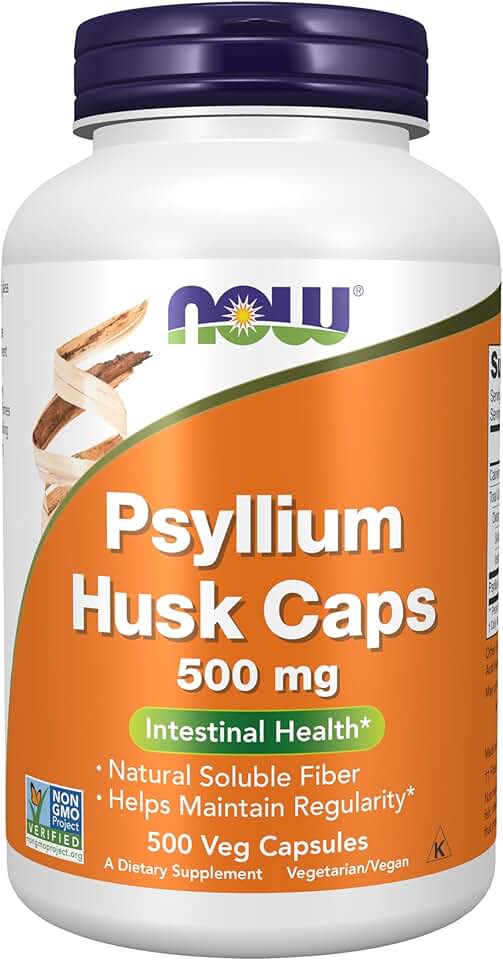
If you’re looking for a high-quality psyllium husk supplement, NOW Foods Psyllium Husk Capsules are a great option. They come in a larger quantity, making them perfect for long-term use.
Dosage Guidelines
Here’s a quick guide to psyllium husk dosage for different health goals:
| Goal | Starting Dose | Maintenance Dose | Max Dose | Timing |
|---|---|---|---|---|
| General Fiber | 1 tsp (3–5 g) | 1–2 tbsp (7–10 g) | 30 g/day | Morning or evening |
| Constipation | 1 tsp (3–5 g) | 1–2 tbsp (7–10 g) | 20 g/day | Evening or before bed |
| Cholesterol | 1 tbsp (7 g) | 10–12 g/day (split doses) | 12 g/day | Before meals |
| Blood Sugar | 1 tsp (3–5 g) | 5–10 g before meals | 15 g/day | 15–30 mins before meals |
| Weight Loss | 1 tsp (3–5 g) | 5–10 g before meals | 15 g/day | 15–30 mins before meals |
| IBS (C or D) | 1 tsp (3–5 g) | 5–10 g/day | 10 g/day | Start low, adjust as needed |
How to Mix Psyllium Husk (Step-by-Step Guide)
Mixing psyllium husk correctly is key to avoiding clumps and ensuring it works effectively. Here’s how to do it:
- Choose Your Liquid: Water is the most common choice, but you can also use juice, smoothies, or yogurt. Avoid carbonated drinks, as they can cause bloating.
- Measure the Dose: Start with 1 tsp (3–5 g) of psyllium husk.
- Mix Thoroughly: Stir the psyllium husk into your liquid immediately to prevent clumping. For smoothies, use a blender to ensure a smooth texture.
- Drink Quickly: Psyllium husk thickens fast, so drink it within 5 minutes of mixing.
- Chase with Water: Drink another 8 oz of water to prevent choking and ensure the psyllium husk moves smoothly through your digestive system.
- Wait 15–30 Minutes: Before eating or taking medications, wait at least 15–30 minutes to allow the psyllium husk to work.
Psyllium Husk Recipes and Creative Uses
Psyllium husk isn’t just for mixing with water—it can be used in a variety of creative ways:
- Psyllium Water: Mix 1 tsp of psyllium husk with 16 oz of water and a squeeze of lemon juice for a refreshing, fiber-rich drink.
- Psyllium Smoothie: Blend 1 tsp of psyllium husk with almond milk, banana, spinach, and a scoop of protein powder for a gut-friendly smoothie.
- Psyllium Overnight Oats: Combine 1 tsp of psyllium husk with oats, chia seeds, yogurt, and your favorite toppings for a fiber-packed breakfast.
- Psyllium Baking: Replace 10–20% of the flour in your favorite bread, muffin, or pancake recipes with psyllium husk for added fiber.
- Psyllium "Pudding": Mix 1 tbsp of psyllium husk with almond milk, vanilla extract, and berries. Let it sit for 10 minutes to thicken, then enjoy!
Combining Psyllium with Other Supplements
Psyllium husk can be combined with other supplements for enhanced benefits:
- Probiotics: Psyllium husk acts as a prebiotic, feeding the beneficial bacteria in probiotics. Taking them together can boost gut health.
- Magnesium: Magnesium can enhance the laxative effects of psyllium husk, so use this combination cautiously.
- Digestive Enzymes: If you experience bloating with psyllium husk, digestive enzymes may improve tolerance.
- Apple Cider Vinegar: Some people find that apple cider vinegar improves digestion when taken with psyllium husk, though there’s no scientific evidence yet.
What to Expect: Timeline of Benefits
Psyllium husk doesn’t work overnight, but you can expect to see benefits within a few days to weeks:
| Timeframe | What to Expect |
|---|---|
| First 24 Hours | Increased thirst, possible bloating (drink more water!). |
| 3–7 Days | More regular bowel movements, less bloating. |
| 2–4 Weeks | Improved cholesterol levels, stable blood sugar, reduced cravings. |
| 1–3 Months | Gut microbiome shifts (if combined with probiotics), sustained benefits. |
Psyllium Husk vs. Other Fiber Supplements: Which Is Best for You?
Psyllium Husk vs. Metamucil
Psyllium husk and Metamucil are both popular fiber supplements, but they have some key differences:
| Factor | Psyllium Husk | Metamucil |
|---|---|---|
| Ingredients | 100% psyllium husk | Psyllium husk + additives (sugar, artificial flavors) |
| FDA Approval | Yes (cholesterol claim) | Yes (cholesterol claim) |
| Taste | Bland, earthy | Sweetened, flavored |
| Cost | $0.10–$0.30 per serving | $0.30–$0.50 per serving |
| Best For | Purists, budget-conscious users | Convenience, picky eaters |
Psyllium Husk vs. Inulin
Inulin is another popular prebiotic fiber, but it works differently than psyllium husk:
| Factor | Psyllium Husk | Inulin |
|---|---|---|
| Type of Fiber | Mostly soluble | Soluble |
| Prebiotic? | Yes (mild) | Yes (strong) |
| Gas/Bloating | Mild | High (ferments quickly) |
| Best For | Constipation, cholesterol | Gut health, microbiome |
Psyllium Husk vs. Methylcellulose
Methylcellulose is a synthetic fiber that’s often used as a laxative. Here’s how it compares to psyllium husk:
| Factor | Psyllium Husk | Methylcellulose |
|---|---|---|
| Source | Natural | Synthetic |
| Solubility | Soluble | Insoluble |
| Prebiotic? | Yes | No |
| Best For | General fiber, cholesterol | Constipation (no bloating) |
Psyllium Husk vs. Glucomannan
Glucomannan is a fiber derived from the konjac root, often used for weight loss. Here’s how it compares to psyllium husk:
| Factor | Psyllium Husk | Glucomannan |
|---|---|---|
| Source | Plantago ovata | Konjac root |
| Weight Loss | Moderate evidence | Stronger evidence |
| Choking Risk | High (if not mixed well) | Very high (expands rapidly) |
| Best For | General health, cholesterol | Weight loss, appetite control |
Psyllium Husk for Specific Health Goals
Psyllium Husk for Constipation: A Step-by-Step Plan
If you’re struggling with constipation, psyllium husk can be a game-changer. Here’s a step-by-step plan to get relief:
- Start Low: Begin with 1 tsp (3–5 g) of psyllium husk mixed in 16 oz of water at night.
- Increase Gradually: Add 1 tsp every 3–4 days until you achieve regular bowel movements.
- Stay Hydrated: Drink 2–3 liters of water per day to prevent blockages and ensure the psyllium husk works effectively.
- Combine with Movement: Light exercise, like walking, can stimulate digestion and enhance the effects of psyllium husk.
- Monitor Your Progress: Track your bowel movements using the Bristol Stool Chart to see how psyllium husk is affecting your digestion.
Psyllium Husk for Cholesterol: How to Maximize Benefits
Psyllium husk is one of the few fiber supplements with an FDA-approved health claim for lowering cholesterol. Here’s how to maximize its benefits:
- Dose: Aim for 10–12 g of psyllium husk per day, split into two doses.
- Timing: Take psyllium husk before meals (e.g., breakfast and dinner) to maximize its cholesterol-lowering effects.
- Diet: Combine psyllium husk with a soluble fiber-rich diet, including foods like oats, beans, and apples.
- Lifestyle: Exercise for 150 minutes per week and limit saturated fats to further improve cholesterol levels.
- Monitor: Get a lipid panel before and after 4–6 weeks of using psyllium husk to track your progress.
Psyllium Husk for Blood Sugar Control: A Diabetic’s Guide
If you have diabetes or prediabetes, psyllium husk can help stabilize blood sugar levels. Here’s how to use it effectively:
- Dose: Take 5–10 g of psyllium husk before meals.
- Timing: Take psyllium husk 15–30 minutes before eating to slow carbohydrate absorption.
- Diet: Pair psyllium husk with low-glycemic foods, such as non-starchy vegetables and lean protein.
- Monitor: Check your post-meal glucose levels to see how psyllium husk affects your blood sugar.
- Caution: Psyllium husk may enhance the effects of diabetes medications, so consult your doctor before use.
Psyllium Husk for Weight Loss: Does It Work?
Psyllium husk can be a helpful tool for weight loss, but it’s not a magic solution. Here’s how to use it effectively:
- Dose: Take 5–10 g of psyllium husk before meals.
- Timing: Take psyllium husk 15–30 minutes before breakfast and lunch to reduce appetite.
- Diet: Combine psyllium husk with high-protein, high-fiber meals to enhance satiety.
- Exercise: Incorporate strength training and cardio for sustainable weight loss.
- Mindset: Remember that psyllium husk is not a quick fix. Focus on long-term habits for lasting results.
Psyllium Husk for IBS: What the Research Says
Irritable Bowel Syndrome (IBS) is a complex condition, but psyllium husk can help manage symptoms for some people:
- IBS-C (Constipation): Psyllium husk can soften stools and promote regularity, making it a great option for those with IBS-C.
- IBS-D (Diarrhea): Psyllium husk can absorb excess water in the gut, helping to firm up stools for those with IBS-D.
- IBS-Mixed: Start with a low dose (1 tsp/day) and monitor your symptoms. Some people with IBS-Mixed may experience bloating or discomfort.
- Diet: Combine psyllium husk with a low-FODMAP diet if you’re sensitive to fermentable fibers.
Psyllium Husk for Kids: Safety and Dosage
Psyllium husk can be safe for kids, but it’s important to use the right dosage and form:
- Safety: Psyllium husk is generally safe for children ages 6 and up, but consult a pediatrician before use.
- Dosage:
- Ages 6–12: Start with 1–2 g per day.
- Teens: Start with 3–5 g per day.
- Forms: Use gummies or flavored powders to make psyllium husk more appealing to kids.
- Monitor: Watch for bloating or choking hazards, and ensure your child drinks plenty of water.
Psyllium Husk in 2026: Trends, Products, and Where to Buy
Top Psyllium Husk Brands in 2026
With so many psyllium husk products on the market, it can be hard to choose the best one. Here’s a comparison of the top brands in 2026:
| Brand | Product | Form | Price | Key Features | Best For |
|---|---|---|---|---|---|
| NOW Foods | Organic Psyllium Husk Powder | Powder | $12–$15 (16 oz) | Organic, no additives, budget-friendly | General use, budget buyers |
| Garden of Life | Raw Fiber Psyllium Husks | Whole husks | $18–$22 (12 oz) | Organic, non-GMO, retains fiber integrity | Whole food purists |
| Olly | Fiber Gummies | Gummies | $15–$18 (60 ct) | Tasty, easy to take, kid-friendly | Kids, picky eaters |
| Metamucil | Psyllium Fiber Powder | Powder | $10–$14 (18 oz) | Flavored, convenient | Convenience, picky eaters |
| Anthony’s | Organic Psyllium Husk Powder | Powder | $14–$17 (1 lb) | Bulk option, no additives | Frequent users |
Where to Buy Psyllium Husk
Psyllium husk is widely available both online and in stores. Here’s where to find it:
- Online:
- Amazon: Best for variety and reviews. Check the "Best Sellers in Fiber Supplements" list for top-rated products.
- Thrive Market: Great for organic, non-GMO options.
- iHerb: Offers international shipping and a wide selection of brands.
- In-Store:
- Whole Foods: Carries organic psyllium husk powder and capsules.
- Sprouts: Offers a variety of psyllium husk products.
- GNC: Carries psyllium husk capsules and powders.
- CVS/Walgreens: Stocks Metamucil and other psyllium-based products.
When shopping for psyllium husk, look for:
- Organic (to avoid pesticides).
- No additives (e.g., sugar, artificial flavors).
- Third-party tested (e.g., USP, NSF).
Psyllium Husk Products to Watch in 2026
The psyllium husk market is evolving, with new products hitting the shelves in 2026:
- Psyllium-Infused Foods: Look for bread, pasta, and snacks with added psyllium husk for an extra fiber boost.
- Flavored Psyllium Drinks: Pre-mixed psyllium water and gut-health drinks are becoming more popular.
- Psyllium + Probiotic Blends: Synbiotic supplements (psyllium + probiotics) are gaining traction for their gut health benefits.
DIY Psyllium Husk: How to Make Your Own
If you prefer a hands-on approach, you can make your own psyllium husk products at home:
- Homemade Psyllium Capsules: Fill empty capsules with psyllium husk powder using a capsule machine.
- Psyllium Gel: Mix 1 tbsp of psyllium husk with 1 cup of water and let it sit for 10 minutes to thicken. Use it in recipes or as a face mask.
- Psyllium Face Mask: Mix 1 tsp of psyllium husk with 1 tbsp of yogurt for a hydrating face mask.
Psyllium Husk Myths vs. Facts
Myth: "Psyllium Husk Detoxes Your Body"
Fact: There’s no evidence that psyllium husk "detoxes" the body. Your liver and kidneys naturally handle detoxification. Psyllium husk supports digestion and regularity, but it’s not a detox miracle.
Myth: "Psyllium Husk Causes Weight Loss Overnight"
Fact: While psyllium husk can increase satiety and reduce calorie intake, it’s not a quick fix for weight loss. Sustainable weight loss requires a combination of diet, exercise, and lifestyle changes.
Myth: "All Fiber Supplements Are the Same"
Fact: Psyllium husk is unique because it’s mostly soluble fiber with prebiotic effects. Other fibers, like inulin, ferment quickly and can cause gas, while psyllium husk is gentler on the digestive system.
Myth: "Psyllium Husk Is Safe for Everyone"
Fact: While psyllium husk is safe for most people, it’s not for everyone. Avoid it if you have bowel obstructions, strictures, or certain allergies. It can also interact with medications, so consult your doctor before use.
Myth: "You Don’t Need to Drink Water with Psyllium"
Fact: Psyllium husk expands in water, so it’s crucial to drink plenty of water to avoid choking or blockages. Always mix psyllium husk with 16 oz of water and follow it with another glass.
---Expert Opinions on Psyllium Husk
What Dietitians Say About Psyllium Husk
Registered dietitians are big fans of psyllium husk for its versatility and science-backed benefits. Here’s what they have to say:
"Psyllium husk is one of the few fiber supplements with strong evidence for cholesterol and blood sugar. However, it’s not a magic bullet—pair it with a balanced diet for best results."
— Registered Dietitian, @plantbasedrd
Key Takeaways from Dietitians:
- Start with a low dose to avoid bloating.
- Combine psyllium husk with probiotics for gut health.
- It’s a supplement, not a replacement for whole foods.
What Gastroenterologists Say About Psyllium Husk
Gastroenterologists often recommend psyllium husk for digestive issues, but they caution that it’s not for everyone:
"Psyllium is a great option for constipation and IBS, but it’s not for everyone. If you have motility disorders or strictures, it could make things worse."
— Gastroenterologist, @guthealthdoc
Key Takeaways from Gastroenterologists:
- Psyllium husk is safe for most people, but consult a doctor if you have digestive issues.
- Monitor your symptoms—if bloating persists, try a different fiber.
- Always mix psyllium husk with water to avoid choking.
What Fitness Experts Say About Psyllium Husk for Weight Loss
Fitness experts often recommend psyllium husk for weight loss, but they emphasize that it’s not a standalone solution:
"Psyllium can help with satiety, but it’s not a weight-loss miracle. Focus on protein, fiber, and strength training for sustainable results."
— Nutrition Coach, @fitnessguru
Key Takeaways from Fitness Experts:
- Use psyllium husk before meals to reduce overeating.
- Combine it with high-protein meals for best results.
- It’s a tool, not a replacement for healthy habits.
Frequently Asked Questions (FAQs) About Psyllium Husk
Is psyllium husk safe long-term?
Answer: Yes, psyllium husk is generally safe for long-term use at doses up to 30 g/day. However, high doses may cause bloating or nutrient malabsorption. If you plan to use psyllium husk long-term, consider cycling it (e.g., 3 months on, 1 month off).
Can I take psyllium husk with probiotics?
Answer: Yes! Psyllium husk acts as a prebiotic, feeding the beneficial bacteria in probiotics. Taking them together can enhance gut health.
Does psyllium husk help with bloating?
Answer: Yes, but start with a low dose (1 tsp/day) to avoid gas. Psyllium husk can reduce bloating by improving digestion, but it may cause bloating initially as your gut adjusts.
Is psyllium husk better than Metamucil?
Answer: Psyllium husk is 100% natural, while Metamucil contains additives like sugar and artificial flavors. Both work similarly, but psyllium husk is cheaper and purer.
Can kids take psyllium husk?
Answer: Yes, but dose by weight. For ages 6–12, start with 1–2 g/day. For teens, start with 3–5 g/day. Use gummies or flavored powders for picky eaters.
Does psyllium husk expire?
Answer: Yes—psyllium husk typically lasts 12–24 months if stored in a cool, dry place. Check for clumping or odor before use.
Is psyllium husk keto-friendly?
Answer: Yes—psyllium husk has 0 g net carbs (fiber doesn’t count toward carbs), making it a great option for keto dieters.
Can psyllium husk replace fiber-rich foods?
Answer: No—psyllium husk is a supplement, not a substitute for fiber-rich foods like fruits, vegetables, and whole grains.
How much psyllium husk should I take daily?
Answer: Start with 1 tsp (3–5 g) per day, then increase to 1–2 tbsp (7–10 g) if tolerated. The max dose is 30 g/day for short-term use.
Can psyllium husk cause diarrhea?
Answer: Rarely—psyllium husk is more likely to relieve diarrhea by absorbing excess water. If it causes diarrhea, reduce the dose.
Does psyllium husk lower LDL cholesterol?
Answer: Yes—the FDA approves a health claim that 10–12 g/day of psyllium husk may reduce the risk of heart disease by lowering LDL cholesterol.
Can I take psyllium husk with thyroid medication?
Answer: Take psyllium husk 2+ hours apart from thyroid medications like levothyroxine, as it may delay absorption.
Does psyllium husk help with acid reflux (GERD)?
Answer: Anecdotal reports suggest psyllium husk may absorb stomach acid and improve symptoms, but there’s no clinical evidence yet.
Is psyllium husk gluten-free?
Answer: Yes—psyllium husk is naturally gluten-free, but check labels for cross-contamination if you have celiac disease.
Can psyllium husk help with hemorrhoids?
Answer: Yes—by softening stools, psyllium husk can reduce straining and prevent hemorrhoids.
Does psyllium husk feed Candida?
Answer: No—unlike inulin, psyllium husk is not fermented by Candida. It may even support gut balance.
---Conclusion: Should You Try Psyllium Husk in 2026?
The Bottom Line on Psyllium Husk
Psyllium husk is one of the most versatile and science-backed fiber supplements available. Here’s a quick recap of its pros and cons:
Pros:
- Science-backed benefits for constipation, cholesterol, and blood sugar.
- Prebiotic effects support gut health.
- Affordable and versatile (powder, capsules, gummies).
- Trending in 2026 for gut health, weight loss, and metabolic wellness.
Cons:
- Bloating/gas (start low to avoid discomfort).
- Choking risk (always mix with water).
- Drug interactions (take 2+ hours apart from medications).
Who Should Try Psyllium Husk?
Psyllium husk may be a great fit for you if you:
- Struggle with constipation or IBS.
- Want to lower cholesterol or blood sugar naturally.
- Are looking for a natural weight loss aid to increase satiety.
- Are interested in gut health and microbiome support.
Who Should Avoid Psyllium Husk?
Avoid psyllium husk if you:
- Have bowel obstructions or strictures.
- Are allergic to psyllium husk (rare but possible).
- Take certain medications (e.g., thyroid meds, lithium).
How to Get Started with Psyllium Husk
Ready to try psyllium husk? Here’s how to get started:
- Choose a form (powder, capsules, or gummies).
- Start with 1 tsp (3–5 g) per day mixed in 16 oz of water.
- Increase gradually if tolerated.
- Monitor your body’s response (digestion, energy, bowel movements).
- Consult a doctor if you have any health conditions or concerns.
Final Thoughts: Is Psyllium Husk Worth the Hype?
Psyllium husk is not a miracle cure, but it’s one of the most evidence-backed fiber supplements available. Its benefits for digestive health, cholesterol, and blood sugar are well-proven, and its prebiotic effects make it a standout for gut health. As we move into 2026, psyllium husk is poised to continue growing in popularity, especially as more people prioritize gut health and metabolic wellness.
If you’re curious about psyllium husk, there’s no better time to try it. Start low, go slow, and pair it with a healthy diet and lifestyle for the best results. And remember—while psyllium husk can be a powerful tool, it’s not a replacement for professional medical advice.
Ready to give psyllium husk a try? Check out our top recommendations for high-quality psyllium husk products, and start your journey to better gut health today!
---Medical Disclaimer
This article is for educational purposes only and is not intended as medical advice. Always consult a healthcare professional before starting any new supplement, especially if you have a medical condition, are pregnant or breastfeeding, or are taking medications. Psyllium husk is not a substitute for professional medical treatment, diagnosis, or advice.
---Additional Resources
Further Reading
- Cochrane Review on Psyllium for Constipation
- 2025 Meta-Analysis on Psyllium and Blood Sugar
- FDA Health Claim for Psyllium and Cholesterol
- Healthline: Psyllium Husk Benefits
- WebMD: Psyllium Husk Side Effects