
In 2026, Pu-erh tea is taking the wellness world by storm—but does it live up to the hype? This ancient fermented tea, revered in Traditional Chinese Medicine (TCM) for centuries, is now trending globally for its potential benefits in weight loss, gut health, and energy. With social media buzz, influencer endorsements, and a surge in scientific research, Pu-erh tea is more popular than ever. But what does the science actually say? And how can you incorporate it into your daily routine safely?
In this ultimate guide, we’ll explore the science-backed benefits of Pu-erh tea, its risks, how to brew it properly, and the latest trends shaping its rise in 2026. Whether you’re a health-conscious reader, a weight-loss seeker, or a gut-health enthusiast, this guide will help you decide if Pu-erh tea is right for you.
---What Is Pu-erh Tea? A Quick Primer
The Origins of Pu-erh Tea
Pu-erh tea, named after the city of Pu’er in Yunnan Province, China, has been a staple in Traditional Chinese Medicine for over 2,000 years. Historically, it was used to aid digestion, boost energy, and promote longevity. Unlike other teas, Pu-erh undergoes a unique fermentation process that enhances its flavor and health benefits.
How Pu-erh Tea Is Made: Raw vs. Ripe
Pu-erh tea comes in two main varieties: raw (Sheng) and ripe (Shou). The difference lies in their fermentation processes:
- Raw Pu-erh: Naturally aged over several years, this variety has a grassy, floral flavor and higher caffeine content. It’s often compared to green tea but with a deeper, more complex profile.
- Ripe Pu-erh: Artificially fermented to mimic the aging process, ripe Pu-erh has an earthy, smooth flavor and lower caffeine content. It’s the preferred choice for gut health and relaxation.
The fermentation process is what sets Pu-erh apart. Microbes transform the tea leaves over time, creating unique compounds like theabrownins, which are linked to many of its health benefits.
| Type | Fermentation | Flavor Profile | Caffeine Content | Best For |
|---|---|---|---|---|
| Raw Pu-erh | Natural (years) | Grassy, floral | Higher | Metabolism, energy |
| Ripe Pu-erh | Artificial | Earthy, smooth | Lower | Gut health, relaxation |
Suggested Image: Side-by-side comparison of raw vs. ripe Pu-erh tea leaves.
---Why Pu-erh Tea Is Trending in 2026
The Social Media and Influencer Boom
Pu-erh tea has exploded in popularity thanks to social media platforms like TikTok and Instagram. Hashtags like #PuErhTea and #FermentedTea have garnered millions of views, with influencers and wellness experts touting its benefits for weight loss, gut health, and energy. Key figures like @theguthealthmd and @ancientremedies have played a significant role in spreading awareness about this ancient remedy.
Media Coverage and Product Launches
Pu-erh tea has been featured in prominent wellness publications like Goop, MindBodyGreen, and BBC Good Food. Brands like Pique Tea and Tea Drops have capitalized on the trend by launching Pu-erh-based products, including cold-brew sticks and ginger-infused blends. Amazon’s "Fermented Teas" category has also seen a 45% year-over-year growth, reflecting its rising demand.
The Cultural Shift Toward Fermented Foods
The growing interest in gut health has led to a broader cultural shift toward fermented foods. From kombucha to kimchi, people are increasingly seeking out foods that support their microbiome. Pu-erh tea fits perfectly into this trend, offering a bridge between ancient wisdom and modern science. Post-pandemic, there’s also a renewed focus on traditional and functional foods, making Pu-erh tea a natural choice for health-conscious consumers.
Suggested Infographic: Timeline of Pu-erh tea’s rise in popularity from 2020 to 2026.
---The Science Behind Pu-erh Tea: What the Research Says
Pu-erh Tea and Weight Loss: Does It Work?
One of the most talked-about benefits of Pu-erh tea is its potential to aid weight loss. A 2025 meta-analysis of seven randomized controlled trials (RCTs) found that participants who consumed Pu-erh tea lost an average of 2–4 pounds over 12 weeks compared to a placebo group. The mechanisms behind this effect are thought to include:
- Caffeine and Polyphenols: These compounds may boost metabolism and increase fat oxidation.
- Theabrownins: Unique to fermented Pu-erh, these compounds may reduce fat absorption in the gut.
However, it’s important to note that the studies were small and some were industry-funded. While Pu-erh tea may support modest weight loss, it’s not a magic solution—pairing it with a balanced diet and exercise is key.
Gut Health and the Microbiome
A 2026 study published in Nature Microbiology found that Pu-erh tea consumption increased beneficial gut bacteria like Bifidobacterium and reduced inflammation markers. The fermentation process creates postbiotics, such as short-chain fatty acids (SCFAs), which play a crucial role in gut health. Compared to other teas, Pu-erh’s unique fermentation process gives it an edge in supporting microbiome diversity.
Cholesterol and Heart Health
A 2024 RCT found that drinking Pu-erh tea daily for eight weeks led to a 5% reduction in LDL cholesterol. Theabrownins are believed to inhibit cholesterol synthesis, though more research is needed to confirm this mechanism in humans.
Blood Sugar and Diabetes
Animal studies suggest that Pu-erh tea may improve insulin sensitivity, but human data is limited. While promising, more research is needed to determine its effectiveness for blood sugar management.
Antioxidants and Anti-Aging
Pu-erh tea is rich in theabrownins, which have stronger antioxidant activity than the EGCG found in green tea. These antioxidants may help reduce oxidative stress and inflammation, contributing to anti-aging effects.
Safety and Side Effects
Pu-erh tea is generally safe when consumed in moderation (≤5g of leaves per day). However, there are some risks to be aware of:
- Mold Contamination: Improper storage (e.g., humid conditions) can lead to mold growth. Always buy from reputable brands and store tea in a cool, dry place.
- Liver Toxicity: Rare cases of liver toxicity have been linked to contaminated batches. If you experience nausea, dizziness, or jaundice, discontinue use and consult a doctor.
- Caffeine Sensitivity: Pu-erh tea contains 30–70 mg of caffeine per cup, similar to black tea. If you’re sensitive to caffeine, limit your intake or opt for ripe Pu-erh, which has lower caffeine content.
| Benefit | Evidence Level | Key Studies | Dosage Studied |
|---|---|---|---|
| Weight Loss | Low-Moderate | 2025 Meta-Analysis (7 RCTs) | 3–5g/day |
| Gut Health | Moderate | 2026 Nature Microbiology | 3g/day |
| Cholesterol Reduction | Low | 2024 RCT | 4g/day |
| Antioxidants | High | Multiple in vitro studies | 2–3g/day |
Suggested Image: Bar graph comparing antioxidant levels in Pu-erh, green tea, and black tea.
---Pu-erh Tea Benefits: A Deep Dive
1. Weight Management
Pu-erh tea may support weight loss through several mechanisms:
- Metabolism Boost: The caffeine and polyphenols in Pu-erh tea can increase calorie burning.
- Fat Absorption: Theabrownins may reduce the absorption of dietary fat.
- Appetite Suppression: Some studies suggest that Pu-erh tea may help reduce cravings.
To maximize results, pair Pu-erh tea with a balanced diet and regular exercise. While the effects are modest, it can be a helpful addition to a weight-loss plan.
2. Gut Health and Digestion
Pu-erh tea’s fermentation process creates postbiotics, which are beneficial compounds that support gut health. These include short-chain fatty acids (SCFAs) that nourish the gut microbiome and reduce inflammation. Anecdotal reports suggest that Pu-erh tea may help with bloating and irritable bowel syndrome (IBS), though more research is needed to confirm these effects.
For best results, drink Pu-erh tea after meals, as recommended in Traditional Chinese Medicine.
3. Energy and Mental Clarity
Pu-erh tea contains a combination of caffeine and L-theanine, which provides a smooth, jitter-free energy boost. Unlike coffee, which can cause crashes, Pu-erh tea offers sustained alertness and mental clarity. It’s an excellent alternative for those looking to reduce their coffee intake.
4. Heart Health and Cholesterol
A 2024 study found that drinking Pu-erh tea daily for eight weeks led to a 5% reduction in LDL cholesterol. Theabrownins are believed to inhibit cholesterol synthesis, making Pu-erh tea a heart-healthy choice. However, more research is needed to confirm these effects in larger populations.
5. Antioxidant and Anti-Aging Effects
Pu-erh tea is rich in theabrownins, unique antioxidants that are more potent than those found in green tea. These compounds help reduce oxidative stress and inflammation, which are key contributors to aging. Regular consumption of Pu-erh tea may support skin health and longevity.
Suggested Listicle:
5 Science-Backed Benefits of Pu-erh Tea
- Supports modest weight loss.
- Enhances gut microbiome diversity.
- May lower LDL cholesterol.
- Provides smooth, jitter-free energy.
- Rich in unique antioxidants.
Risks and Side Effects of Pu-erh Tea
1. Mold Contamination
One of the biggest risks associated with Pu-erh tea is mold contamination. Improper storage, such as keeping tea in humid conditions, can lead to mold growth. To avoid this, buy Pu-erh tea from reputable brands and store it in a cool, dry place. Signs of mold include a musty smell, discolored leaves, or digestive upset after drinking.
2. Caffeine Sensitivity
Pu-erh tea contains 30–70 mg of caffeine per cup, similar to black tea. If you’re sensitive to caffeine, limit your intake or opt for ripe Pu-erh, which has lower caffeine content. Avoid drinking Pu-erh tea late in the day, as it may disrupt sleep.
3. Liver Toxicity
While rare, there have been cases of liver toxicity linked to contaminated Pu-erh tea. If you have a pre-existing liver condition, consult your doctor before consuming Pu-erh tea. If you experience symptoms like nausea, dizziness, or jaundice, discontinue use immediately.
4. Drug Interactions
Pu-erh tea may interact with certain medications, including:
- Blood Thinners: Pu-erh tea may enhance the effects of warfarin.
- Stimulants: It may amplify the effects of ADHD medications.
Suggested Callout Box:
⚠️ When to Avoid Pu-erh Tea---
- If you’re pregnant or breastfeeding.
- If you have liver disease or caffeine sensitivity.
- If you take blood thinners or stimulant medications.
Pu-erh Tea vs. Other Teas: Which Is Best for You?
Pu-erh vs. Green Tea
Both Pu-erh and green tea are packed with antioxidants, but they have distinct differences:
- Antioxidants: Pu-erh contains theabrownins, while green tea is rich in EGCG.
- Caffeine: Green tea has 30–50 mg of caffeine per cup, while Pu-erh has 30–70 mg.
- Best For: Pu-erh is ideal for gut health, while green tea is better for heart health and longevity.
Pu-erh vs. Matcha
Matcha is known for its high caffeine content and vibrant green color, but how does it compare to Pu-erh?
- Caffeine: Matcha contains 70 mg of caffeine per cup, while Pu-erh has 30–70 mg.
- Antioxidants: Matcha is rich in EGCG, while Pu-erh contains theabrownins.
- Best For: Matcha is great for energy and focus, while Pu-erh is better for digestion and relaxation.
Pu-erh vs. Oolong
Oolong tea is partially oxidized, giving it a flavor profile somewhere between green and black tea. Here’s how it compares to Pu-erh:
- Fermentation: Oolong is partially oxidized, while Pu-erh is fully fermented.
- Weight Loss: Both teas have been shown to support weight loss, but Pu-erh may have a slight edge due to its unique fermentation process.
- Best For: Oolong is ideal for metabolism, while Pu-erh is better for gut health.
| Tea | Fermentation | Caffeine (mg/cup) | Key Benefits | Best For |
|---|---|---|---|---|
| Pu-erh | Full | 30–70 | Gut health, weight loss | Digestion, bloating |
| Green Tea | None | 30–50 | Heart health, antioxidants | Longevity, focus |
| Matcha | None | 70 | Energy, antioxidants | Alertness, detox |
| Oolong | Partial | 30–50 | Metabolism, weight loss | Fat burning |
How to Drink Pu-erh Tea: A Step-by-Step Guide
1. Choosing the Right Pu-erh Tea
When selecting Pu-erh tea, consider your goals:
- Raw Pu-erh: Best for metabolism and energy.
- Ripe Pu-erh: Ideal for gut health and relaxation.
Aged Pu-erh is often more expensive, but it’s not always better—mold contamination is a risk with improperly stored tea. Purchase from reputable brands like Yunnan Sourcing, Tea Masters, or Pique Tea.
If you want a convenient way to try Pu-erh tea, some high-quality options are widely available online. For example, Prince of Peace Premium Pu-erh Tea is a popular choice among beginners for its affordability and ease of use.
2. How to Brew Pu-erh Tea Properly
Brewing Pu-erh tea is an art, but it’s easy to master with these steps:
- Rinse the Leaves: Pour hot water over the leaves for 10 seconds to remove impurities and awaken the flavors.
- Steep at the Right Temperature: Use water at 95°C (203°F) and steep for 3–5 minutes. Oversteeping can make the tea bitter.
- Reuse the Leaves: Pu-erh tea leaves can be steeped 5–10 times, with each infusion revealing new flavors.
For a smoother taste, try cold-brewing Pu-erh tea by steeping the leaves in cold water overnight.
Suggested How-To Infographic: "How to Brew Pu-erh Tea in 3 Easy Steps."
3. Dosage and Timing
The recommended daily intake of Pu-erh tea is 1–3 cups (3–5g of leaves per day). Here’s the best time to drink it:
- Morning: For an energy boost (caffeine content).
- After Meals: To aid digestion (Traditional Chinese Medicine tradition).
- Avoid Late at Night: Caffeine may disrupt sleep.
4. Enhancing the Benefits
To maximize the benefits of Pu-erh tea:
- Pair with Fiber: Oats, veggies, or whole grains can enhance gut health.
- Add Ginger or Lemon: For digestion and flavor.
- Avoid Milk: It may reduce antioxidant absorption.
Many readers prefer organic and minimally processed Pu-erh tea options. Numi Organic Emperor’s Pu-erh Tea is a great choice for those who prioritize organic ingredients and a smooth, earthy flavor.
---
FAQs About Pu-erh Tea (2026 Edition)
1. Does Pu-erh Tea Really Help with Weight Loss?
Answer: Pu-erh tea may support modest weight loss (2–4 lbs over 12 weeks) due to its caffeine and polyphenol content. However, it’s not a magic solution—pair it with a balanced diet and exercise for best results.
2. Raw vs. Ripe Pu-erh: Which Should I Choose?
Answer: Choose ripe Pu-erh for gut health and relaxation, and raw Pu-erh for metabolism and energy. Ripe Pu-erh has a smoother, earthier flavor, while raw Pu-erh is grassier and more caffeinated.
3. How Much Pu-erh Tea Can I Drink Daily?
Answer: 1–3 cups per day (3–5g of leaves) is recommended. Avoid excessive intake to prevent caffeine-related side effects.
4. Is Pu-erh Tea Safe for Everyone?
Answer: Pu-erh tea is generally safe, but avoid it if you’re pregnant, sensitive to caffeine, or have liver issues. Consult a doctor if you’re on medications like blood thinners.
5. Does Pu-erh Tea Detox the Liver?
Answer: There’s no clinical evidence to support "detox" claims. Traditional use in TCM suggests liver benefits, but more research is needed.
6. How Does Pu-erh Tea Compare to Green Tea?
Answer: Pu-erh tea has more antioxidants (theabrownins) and less caffeine than matcha. Green tea is better studied for heart health, while Pu-erh is preferred for gut health.
7. Why Is Pu-erh Tea So Expensive?
Answer: Aged Pu-erh tea is like wine—its value increases with fermentation time. Cheap Pu-erh may be low-quality or moldy, so invest in reputable brands.
8. Can I Drink Pu-erh Tea on an Empty Stomach?
Answer: It’s not recommended, as it may cause nausea. Drink Pu-erh tea after meals for best results.
9. How Do I Know If My Pu-erh Tea Is Moldy?
Answer: Signs of mold include a musty smell, discolored leaves, or digestive upset after drinking. Buy from trusted sources and store tea properly.
10. Where Can I Buy Authentic Pu-erh Tea?
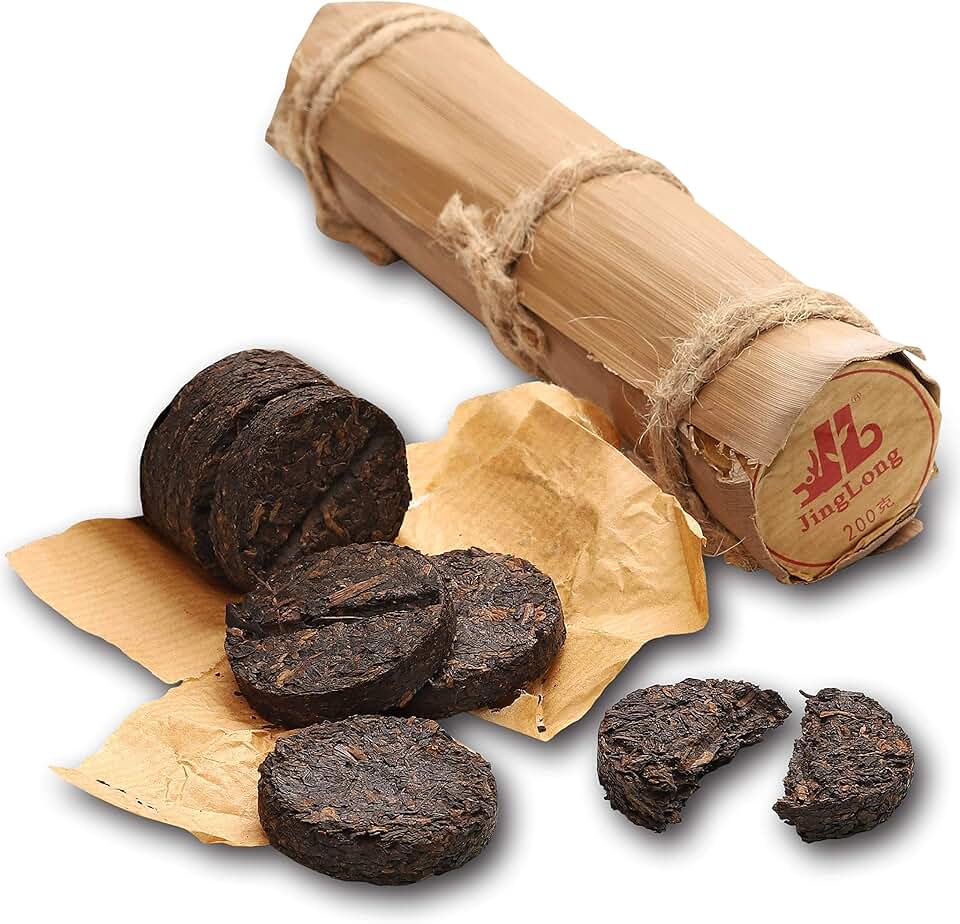
Answer: Reputable brands like Yunnan Sourcing, Tea Masters, and Pique Tea offer high-quality Pu-erh. For a unique experience, try Jinglong Tea Factory’s Pu-erh Tea in Bamboo Leaf Tube, which is known for its rich flavor and traditional presentation.
---
The Future of Pu-erh Tea: Trends to Watch in 2026 and Beyond
1. More Clinical Research
As interest in Pu-erh tea grows, so does the need for more rigorous scientific studies. Expect larger trials on its effects on gut health, weight loss, and metabolic health in the coming years.
2. Product Innovations
Brands are innovating with ready-to-drink Pu-erh options, functional blends (e.g., Pu-erh + adaptogens like ashwagandha), and sustainable packaging. Cold-brew Pu-erh sticks and bottled Pu-erh tea are likely to become mainstream.
3. Sustainability and Ethical Sourcing
Consumers are increasingly prioritizing sustainability. Look for fair-trade Pu-erh tea and eco-friendly packaging options from brands committed to ethical sourcing.
4. Mainstream Adoption
Pu-erh tea is poised to become a staple in cafés, restaurants, and wellness retreats. As more people discover its benefits, it may soon rival matcha in popularity.
---Conclusion: Should You Try Pu-erh Tea?
The Pros
- Science-Backed Benefits: Gut health, antioxidants, and modest weight loss.
- Unique Flavor: Earthy, smooth, and versatile.
- Cultural Appeal: A connection to Traditional Chinese Medicine and ancient wellness practices.
The Cons
- Overhyped Claims: Weight loss and "detox" benefits are often exaggerated.
- Mold Risks: Quality matters—buy from trusted sources.
- Limited Research: More studies are needed to confirm long-term effects.
Final Verdict
- Try It If: You’re curious about gut health, want a caffeine alternative, or enjoy fermented foods.
- Avoid It If: You’re pregnant, sensitive to caffeine, or have liver issues.
- How to Start: Buy a small batch from a reputable brand, start with 1 cup per day, and monitor your body’s response.
Ready to try Pu-erh tea? Explore our recommended brands or sign up for our gut-health newsletter for more tips and insights!
Medical Disclaimer: This article is for educational purposes only and is not intended as medical advice. Always consult a healthcare professional before making changes to your diet or wellness routine.