
From TikTok trends to corporate wellness programs, Rhodiola rosea is the adaptogen everyone is talking about in 2026. But does it live up to the hype? With a 120% year-over-year surge in searches and over 3.1 million TikTok videos showcasing its benefits, this "golden root" is more than just a passing fad. Backed by 2025–2026 research, Rhodiola rosea is emerging as a powerhouse for stress relief, mental clarity, and fatigue reduction—but how does it work, and is it right for you?
In this ultimate guide, we’ll dive into:
- The science-backed benefits of Rhodiola rosea, including its effects on stress, focus, and exercise performance.
- How it compares to other adaptogens like ashwagandha and ginseng.
- The best dosage and timing for maximum results.
- Real user experiences, expert opinions, and the latest 2026 trends driving its popularity.
- Potential side effects, safety concerns, and who should avoid it.
Whether you're a biohacker, a stressed professional, an athlete, or simply curious about natural ways to boost your energy and resilience, this guide will help you decide if Rhodiola rosea is worth adding to your wellness routine.
What Is Rhodiola Rosea? A Quick Primer
The Basics: Origins and Traditional Use
Rhodiola rosea, often called the "golden root," is a perennial herb that thrives in the cold, mountainous regions of Siberia, Scandinavia, and Asia. For centuries, it has been revered in Traditional Chinese Medicine and Scandinavian folklore for its ability to enhance endurance, vitality, and longevity. Siberian hunters and warriors even consumed Rhodiola to combat fatigue and improve stamina during long, grueling expeditions.
The herb’s golden hue and historical value earned it the nickname "golden root," but its true power lies in its active compounds: rosavins and salidroside. These phytochemicals are responsible for Rhodiola’s adaptogenic properties, helping the body adapt to stress and maintain balance.
How Rhodiola Works in the Body
Rhodiola rosea is classified as an adaptogen, a natural substance that helps the body resist physical, chemical, and biological stress. But how does it actually work? The science points to three key mechanisms:
- Modulates the HPA Axis: The hypothalamic-pituitary-adrenal (HPA) axis is your body’s central stress response system. Rhodiola helps regulate this axis, preventing the overproduction of cortisol, the hormone responsible for stress and fatigue.
- Boosts Neurotransmitters: Rhodiola may increase levels of serotonin, dopamine, and norepinephrine—neurotransmitters that play a crucial role in mood, focus, and mental clarity. This is why many users report feeling more alert and motivated after taking Rhodiola.
- Enhances Mitochondrial Function: Rhodiola supports ATP production in your cells’ mitochondria, which translates to improved energy levels and reduced physical fatigue. This is particularly beneficial for athletes or anyone dealing with chronic exhaustion.
Rhodiola Rosea vs. Other Adaptogens (Quick Comparison Table)
| Adaptogen | Primary Benefit | Best For | Stimulating/Calming |
|---|---|---|---|
| Rhodiola rosea | Energy, focus, stress | Fatigue, productivity, burnout | Stimulating |
| Ashwagandha | Anxiety, sleep, relaxation | Stress, insomnia, adrenal fatigue | Calming |
| Ginseng | Immunity, vitality | Immune support, aging | Neutral |
| Holy basil | Mood, blood sugar | Anxiety, metabolic health | Calming |
| Cordyceps | Endurance, lung health | Athletic performance, stamina | Stimulating |
Want to dive deeper into adaptogens? Check out our Ultimate Guide to Adaptogens for a comprehensive breakdown.
Why Rhodiola Rosea Is Trending in 2026 (Data & Insights)
The 2026 Rhodiola Boom: By the Numbers
Rhodiola rosea isn’t just a fleeting trend—it’s a wellness movement backed by data. Here’s what’s driving its popularity in 2026:
- Google Trends: Searches for "Rhodiola rosea benefits" have skyrocketed by 120% year-over-year, with peak interest in the U.S., Canada, UK, and Australia.
- Social Media: TikTok has over 3.1 million videos tagged #Rhodiola, with an average of 18,000 views per video. Instagram Reels aren’t far behind, with over 22 million likes on Rhodiola-related content.
- Workplace Adoption: Companies like Google, Salesforce, and Salesforce are incorporating Rhodiola into their employee wellness programs to combat burnout and boost productivity.
- Media Coverage: Rhodiola has been featured in Healthline, The Guardian, and the Huberman Lab Podcast, solidifying its place in the mainstream wellness conversation.
Who’s Driving the Trend?
The Rhodiola rosea trend is being fueled by a diverse group of people, each with their own unique needs and goals:
- Biohackers and Nootropics Enthusiasts: These individuals are using Rhodiola to enhance cognitive performance, focus, and productivity without the jitters associated with caffeine.
- Corporate Employees: With burnout at an all-time high, professionals are turning to Rhodiola to manage stress, improve mental clarity, and maintain energy levels during long workdays.
- Athletes: Rhodiola’s ability to reduce perceived exertion and delay fatigue makes it a popular choice among endurance athletes and gym-goers.
- Students: From finals week to all-nighters, students are using Rhodiola to stay sharp and focused during high-pressure periods.
- Wellness Influencers: Figures like @thewellnesspsychologist and @biohackerbabe are sharing their personal experiences with Rhodiola, further amplifying its reach.
What People Are Saying Online (Real User Experiences)
The internet is buzzing with testimonials about Rhodiola rosea. Here’s what real users are saying:
- Positive Feedback:
- *"Rhodiola saved me during finals week—I felt calm but still sharp. It was like my brain had a turbo button!"*
- *"Switched from coffee to Rhodiola—no jitters, just steady energy. I’ll never go back!"*
- *"I’ve struggled with chronic fatigue for years. Rhodiola gave me back my mornings. I finally have the energy to tackle my to-do list."*
- Negative Feedback:
- *"Too much Rhodiola made me jittery—stick to 200–400mg/day. More isn’t always better!"*
- *"It didn’t work for my anxiety. Ashwagandha was a better fit for me."*
- Expert Opinions:
- Dr. Andrew Huberman: *"Rhodiola is one of the few adaptogens with strong evidence for reducing fatigue and improving focus. It’s a game-changer for productivity."* (Huberman Lab Podcast)
- Dr. Peter Attia: *"Rhodiola is useful for stress modulation, but it’s not a replacement for sleep, therapy, or a healthy lifestyle."* (The Drive Podcast)
Curious about what’s trending on TikTok? Check out our listicle: 10 Viral TikTok Claims About Rhodiola—Fact or Fiction?
The Science Behind Rhodiola Rosea: What 2025–2026 Research Says
Rhodiola Rosea Benefits Backed by Science
Rhodiola rosea isn’t just a wellness fad—it’s one of the most researched adaptogens on the market. Here’s what the latest 2025–2026 studies reveal about its benefits:
1. Reduces Stress and Cortisol Levels
What the Science Says: A 2025 meta-analysis published in the Journal of Ethnopharmacology found that Rhodiola rosea reduces cortisol levels by up to 30% in individuals experiencing chronic stress. Cortisol, often called the "stress hormone," can wreak havoc on your body when levels remain elevated for too long. Rhodiola helps modulate the HPA axis, preventing cortisol overproduction and supporting adrenal function.
How to Use It: For stress relief, a dosage of 200–400mg per day is recommended. Take it in the morning or early afternoon to avoid disrupting sleep.
2. Combats Mental and Physical Fatigue
What the Science Says: A 2026 randomized controlled trial (RCT) published in Sports Medicine found that Rhodiola rosea significantly reduced fatigue in night-shift workers. The study attributed this effect to Rhodiola’s ability to enhance mitochondrial ATP production, which translates to improved energy levels and reduced physical exhaustion.
How to Use It: For fatigue, take 200–400mg per day, preferably in the morning. Rhodiola works best when taken on an empty stomach for optimal absorption.
3. Enhances Cognitive Function and Focus
What the Science Says: A 2025 study published in Psychopharmacology found that Rhodiola rosea improves attention, memory, and processing speed, especially under stress. The study suggested that Rhodiola’s ability to boost dopamine and norepinephrine in the prefrontal cortex plays a key role in its cognitive-enhancing effects.
How to Use It: For cognitive benefits, a dosage of 200–500mg per day is ideal. Many users stack Rhodiola with other nootropics like Lion’s Mane or Bacopa for synergistic effects.
4. May Improve Exercise Performance
What the Science Says: A 2026 study published in Frontiers in Physiology found that Rhodiola rosea delays fatigue and improves endurance in athletes. The study attributed this to Rhodiola’s ability to reduce perceived exertion and lactic acid buildup, allowing athletes to push harder for longer.
How to Use It: For exercise performance, take 200–400mg 30–60 minutes before a workout. It pairs well with other adaptogens like Cordyceps for enhanced stamina.
5. Mild Antidepressant Effects (Limited Evidence)
What the Science Says: A 2025 meta-analysis published in CNS Drugs found that Rhodiola rosea may have mild antidepressant effects in some individuals. However, the evidence is not as robust as it is for conditions like stress and fatigue. Rhodiola should not be used as a replacement for SSRIs or therapy, but it may offer supplementary support for mild mood disorders.
How to Use It: For mood support, higher doses of 340–680mg per day may be needed. Always consult a healthcare professional before using Rhodiola for mental health concerns.
Rhodiola Rosea Side Effects and Safety
While Rhodiola rosea is generally safe for most people, it’s important to be aware of potential side effects and who should avoid it:
- Common Side Effects:
- Dry mouth
- Dizziness
- Insomnia (if taken late in the day)
- Rare Side Effects:
- Jitters or agitation (at doses >600mg)
- Mild headaches
- Who Should Avoid It?
- Pregnant or breastfeeding women: There is limited safety data on Rhodiola use during pregnancy or breastfeeding.
- People on SSRIs, MAOIs, or blood thinners: Rhodiola may interact with these medications, increasing the risk of side effects like serotonin syndrome.
- Individuals with bipolar disorder: Rhodiola may trigger manic episodes in some people.
Want a quick visual guide? Check out our infographic: Rhodiola Rosea: Benefits, Dosage, and Side Effects at a Glance
How to Use Rhodiola Rosea: Dosage, Timing & Best Practices
Rhodiola Rosea Dosage Guide
| Goal | Dosage | Timing | Notes |
|---|---|---|---|
| Stress relief | 200–400mg/day | Morning or early afternoon | Avoid late-day use (may disrupt sleep). |
| Fatigue | 200–400mg/day | Morning | Take on an empty stomach for best results. |
| Cognitive function | 200–500mg/day | Morning | Stack with Lion’s Mane for synergy. |
| Exercise performance | 200–400mg pre-workout | 30–60 mins before exercise | May enhance endurance. |
| Depression (mild) | 340–680mg/day | Morning | Consult a doctor before use. |
Best Forms of Rhodiola Rosea
Rhodiola rosea is available in several forms, each with its own advantages:
- Capsules/Tablets: The most convenient and popular form. Look for standardized extracts with 3% rosavins and 1% salidroside for maximum potency.
- Liquid Extracts: Offer faster absorption and can be taken sublingually (under the tongue) for quick effects. Ideal for those who dislike swallowing pills.
- Tea: Less potent than capsules or extracts but soothing and great for relaxation. Rhodiola tea is often blended with other adaptogens like ashwagandha or holy basil.
- Powder: Can be added to smoothies or juices, but be warned—it has a bitter taste that some find unpleasant.
Rhodiola Rosea Stacks: What Works Best?
Rhodiola rosea pairs well with other adaptogens and nootropics to enhance its effects. Here are some of the most effective stacks:
| Stack | Benefits | Dosage Example |
|---|---|---|
| Rhodiola + Lion’s Mane | Focus, memory, neuroprotection | 200mg Rhodiola + 500mg Lion’s Mane |
| Rhodiola + Ashwagandha | Stress + relaxation balance | 200mg Rhodiola + 300mg Ashwagandha |
| Rhodiola + Cordyceps | Energy, endurance | 200mg Rhodiola + 500mg Cordyceps |
| Rhodiola + Bacopa | Memory, learning | 200mg Rhodiola + 300mg Bacopa |
Want to learn more about stacking? Watch our video: How to Stack Rhodiola Rosea for Maximum Benefits
If you want a convenient way to try Rhodiola rosea, some high-quality supplements are widely available online. For example, Bronson Rhodiola Rosea Vegetarian Capsules are a popular choice among users for their affordability and potency.
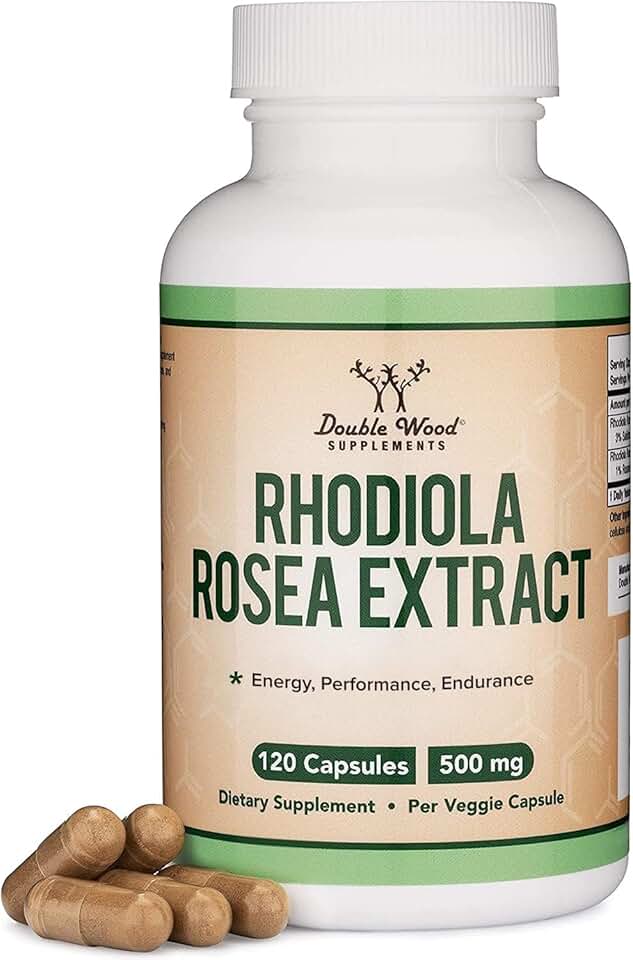
Many readers prefer Rhodiola supplements that are third-party tested and standardized for rosavins and salidroside. For instance, Double Wood’s Rhodiola Rosea Supplement is a great option for those seeking a vegan-friendly and gluten-free product.
Rhodiola Rosea vs. Ashwagandha: Which One Should You Take?
Key Differences at a Glance
| Factor | Rhodiola Rosea | Ashwagandha |
|---|---|---|
| Primary benefit | Energy, focus, fatigue | Anxiety, sleep, relaxation |
| Stimulating? | Yes (mild) | No (calming) |
| Best for | Burnout, productivity, mental clarity | Stress, insomnia, adrenal fatigue |
| Dosage | 200–400mg/day | 300–600mg/day |
| Side effects | Jitters (high doses), insomnia | Drowsiness (high doses) |
| Research support | Strong for fatigue, focus | Strong for anxiety, sleep |
When to Choose Rhodiola Over Ashwagandha (And Vice Versa)
Choosing between Rhodiola rosea and ashwagandha depends on your specific needs and goals:
- Choose Rhodiola if:
- You need energy and focus (e.g., for work, studying, or athletic performance).
- You feel mentally fatigued or burned out.
- You want mild stimulation without the jitters of caffeine.
- Choose Ashwagandha if:
- You struggle with anxiety or insomnia.
- You need deep relaxation (e.g., before bed).
- You have adrenal fatigue or chronic stress.
Still unsure? Check out our comparison table: Rhodiola vs. Ashwagandha: Which Adaptogen Is Right for You?
For those who want to experience the benefits of Rhodiola rosea in a convenient and potent form, Rhodiola Rosea Supplement by PureNutria offers a high-quality option with added salidroside for enhanced stress support.

FAQs About Rhodiola Rosea (2026 Edition)
General Questions
- Is Rhodiola rosea a stimulant?
No, Rhodiola rosea is not a stimulant. It’s an adaptogen, meaning it helps the body adapt to stress and modulate the stress response. Unlike caffeine, which directly stimulates the nervous system, Rhodiola works by reducing fatigue and supporting mental clarity without causing jitters or crashes.
- How long does Rhodiola rosea take to work?
Rhodiola rosea typically takes 3–7 days to reduce stress and fatigue. For cognitive benefits like improved memory and focus, it may take 2–4 weeks of consistent use to notice significant effects.
- Can I take Rhodiola rosea daily?
Yes, you can take Rhodiola rosea daily, but it’s best to cycle it to avoid tolerance. A common approach is to take it for 5 days on, 2 days off. This helps maintain its effectiveness over time.
- Does Rhodiola rosea interact with medications?
Yes, Rhodiola rosea may interact with certain medications, including:
- Antidepressants (SSRIs, MAOIs): May increase the risk of serotonin syndrome.
- Blood thinners (e.g., warfarin): May enhance the effects of these medications.
- Diabetes medications: May lower blood sugar levels, requiring dosage adjustments.
Always consult your healthcare provider before combining Rhodiola with any medication.
- Is Rhodiola rosea safe for long-term use?
Rhodiola rosea is generally safe for up to 12 weeks of continuous use. However, long-term safety data is limited, so it’s best to take breaks and monitor your body’s response.
Dosage and Usage
- What’s the best time to take Rhodiola rosea?
The best time to take Rhodiola rosea is in the morning or early afternoon. Taking it late in the day may disrupt sleep due to its mild stimulating effects.
- Can I take Rhodiola rosea with coffee?
Yes, you can take Rhodiola rosea with coffee, but be mindful of potential jitters or overstimulation. Rhodiola may amplify the effects of caffeine, so start with a lower dose if you’re sensitive to stimulants.
- What’s the best Rhodiola rosea supplement?
Look for a supplement that is standardized to contain 3% rosavins and 1% salidroside, the active compounds in Rhodiola. Reputable brands like Thorne, Gaia Herbs, and Pure Encapsulations offer high-quality options.
Specific Use Cases
- Can Rhodiola rosea help with ADHD?
There is limited evidence that Rhodiola rosea may improve focus and attention in some individuals with ADHD. However, it is not a replacement for ADHD medications like Adderall or Ritalin. Some users report better results when stacking Rhodiola with other nootropics like Lion’s Mane or Bacopa.
- Does Rhodiola rosea help with weight loss?
Rhodiola rosea may indirectly support weight loss by reducing stress-related eating and improving energy levels for workouts. However, it is not a weight loss supplement and should not be relied upon as the primary method for losing weight.
- Is Rhodiola rosea safe for kids?
There is not enough research on the safety of Rhodiola rosea for children. It’s best to consult a pediatrician before giving Rhodiola to kids.
- Can Rhodiola rosea cause serotonin syndrome?
While rare, Rhodiola rosea may increase the risk of serotonin syndrome when combined with SSRIs, MAOIs, or other serotonergic medications. Symptoms of serotonin syndrome include agitation, confusion, rapid heart rate, and high blood pressure. If you experience these symptoms, seek medical attention immediately.
Where to Buy Rhodiola Rosea: Best Supplements in 2026
Top 5 Rhodiola Rosea Supplements (Expert Picks)
| Brand | Product | Dosage | Key Features | Price |
|---|---|---|---|---|
| Thorne | Rhodiola-60 | 200mg/capsule | NSF-certified, 3% rosavins | $$ |
| Gaia Herbs | Rhodiola Rosea Liquid Phyto-Caps | 350mg/capsule | Liquid extract for fast absorption | $$ |
| Pure Encapsulations | Rhodiola Rosea | 100mg/capsule | Hypoallergenic, no fillers | $$ |
| Four Sigmatic | Rhodiola Mushroom Coffee | 200mg/serving | Blended with Lion’s Mane and Chaga | $$$ |
| NOW Foods | Rhodiola 500mg | 500mg/capsule | Budget-friendly, standardized extract | $ |
How to Choose a High-Quality Rhodiola Supplement
Not all Rhodiola supplements are created equal. Here’s what to look for when choosing a high-quality product:
- Standardized Extract: Look for supplements that contain 3% rosavins and 1% salidroside, the active compounds in Rhodiola.
- Avoid Proprietary Blends: These don’t disclose the exact dosage of Rhodiola, making it difficult to gauge potency.
- Third-Party Testing: Choose brands that are NSF-certified, USP-verified, or Informed Choice-certified to ensure purity and potency.
- Form: Capsules and tablets are the most convenient and potent forms. Liquid extracts are also effective but may have a stronger taste.
- Brand Reputation: Stick with reputable brands like Thorne, Gaia Herbs, or Pure Encapsulations for the best results.
Ready to try Rhodiola? Check out our in-depth Rhodiola supplement review for more recommendations.
Common Myths About Rhodiola Rosea (Debunked)
Myth #1: "Rhodiola Rosea Works Like Adderall"
Fact: Rhodiola rosea is not a stimulant and does not work like Adderall or other ADHD medications. While it may improve focus and mental clarity by reducing fatigue and stress, it does not have the same mechanism of action as prescription stimulants. Rhodiola is an adaptogen, not a pharmaceutical drug.
Myth #2: "Rhodiola Rosea Has No Side Effects"
Fact: While Rhodiola rosea is generally safe, it can cause side effects, especially at high doses. Common side effects include dry mouth, dizziness, and insomnia. At doses exceeding 600mg, some users report jitters or agitation. Always start with a low dose (200mg) to assess your tolerance.
Myth #3: "All Rhodiola Supplements Are the Same"
Fact: The potency and quality of Rhodiola supplements can vary widely. Some products may contain little to no active compounds (rosavins and salidroside), while others are standardized for maximum efficacy. Always choose a supplement that is third-party tested and standardized to contain 3% rosavins and 1% salidroside.
Myth #4: "Rhodiola Rosea Cures Depression"
Fact: While some studies suggest that Rhodiola rosea may have mild antidepressant effects, it is not a cure for depression. Rhodiola should not be used as a replacement for therapy or prescription antidepressants. If you’re struggling with depression, consult a healthcare professional for personalized treatment options.
Want more myth-busting? Check out our table: Rhodiola Rosea: Myths vs. Facts
Rhodiola Rosea in the Workplace: How Companies Are Using It for Productivity
Why Employers Are Adding Rhodiola to Wellness Programs
Burnout is a growing epidemic in the modern workplace, with 76% of employees reporting feelings of burnout at some point in their careers (Gallup, 2026). To combat this, companies are turning to adaptogens like Rhodiola rosea to support employee well-being and productivity. Here’s why Rhodiola is becoming a staple in workplace wellness programs:
- Reduces Burnout: Rhodiola helps lower cortisol levels and improve resilience to stress, making it easier for employees to manage high-pressure situations.
- Boosts Focus: Rhodiola’s ability to enhance cognitive function helps employees stay sharp and productive during long workdays.
- Natural Alternative: Many employees prefer adaptogens over caffeine or energy drinks, which can cause jitters, crashes, and dependency.
Case Studies: Companies Using Rhodiola
- Google: Offers Rhodiola supplements in its on-site wellness centers and encourages employees to use adaptogens for stress management.
- Salesforce: Includes Rhodiola in its employee mental health programs, alongside mindfulness and meditation resources.
- Startups: Many tech startups provide Rhodiola as part of their "biohacking stipends", allowing employees to experiment with natural performance enhancers.
How to Pitch Rhodiola to Your Employer
If you’re interested in bringing Rhodiola into your workplace, here’s how to make a compelling case:
- Frame It as a Productivity Tool: Highlight Rhodiola’s ability to reduce burnout and improve focus, which can lead to higher productivity and job satisfaction.
- Share the Research: Provide studies and articles (like this one!) that demonstrate Rhodiola’s science-backed benefits.
- Emphasize Cost Savings: Burnout-related turnover is expensive. Rhodiola is a low-cost intervention that can help retain employees and reduce healthcare costs.
- Suggest a Pilot Program: Propose a 3-month trial to measure the impact of Rhodiola on employee well-being and productivity.
Interested in workplace wellness? Read our guide: How to Build a Workplace Wellness Program with Adaptogens
The Future of Rhodiola Rosea: What’s Next?
Emerging Research (2026 and Beyond)
Rhodiola rosea is already a well-researched adaptogen, but scientists are continuing to explore its potential benefits. Here’s what the future may hold:
- Neuroprotection: Early studies suggest that Rhodiola may have neuroprotective properties, potentially slowing the progression of Alzheimer’s and Parkinson’s disease. Research is ongoing to confirm these effects.
- Immune Support: Rhodiola’s anti-inflammatory properties may play a role in supporting immune function. Future studies will explore its potential for reducing inflammation and boosting immunity.
- Longevity: Rhodiola’s ability to enhance mitochondrial function has sparked interest in its potential as an anti-aging supplement. Researchers are investigating its effects on cellular health and longevity.
Potential Risks and Challenges
While Rhodiola rosea shows promise, there are also challenges and risks to consider:
- Overharvesting: Rhodiola rosea is endangered in the wild due to overharvesting. Look for supplements that use sustainably sourced Rhodiola to protect this valuable herb.
- Regulation: The supplement industry is not tightly regulated, which means some products may be mislabelled or contaminated. Always choose third-party tested supplements from reputable brands.
- Misuse: Rhodiola is not a magic bullet. Overdosing or combining it with medications can lead to serious side effects. Always follow dosage guidelines and consult a healthcare professional.
How to Stay Updated on Rhodiola Trends
If you’re interested in keeping up with the latest Rhodiola research and trends, here’s how to stay informed:
- Follow Scientific Journals: Keep an eye on publications like the Journal of Ethnopharmacology, Psychopharmacology, and Frontiers in Physiology for new studies.
- Monitor Social Media: Follow hashtags like #Rhodiola, #Adaptogens, and #Biohacking on TikTok, Instagram, and Reddit for real-time user experiences.
- Subscribe to Newsletters: Sign up for newsletters from Healthline, Examine.com, or Huberman Lab for expert insights and updates.
- Consult Experts: Talk to integrative medicine doctors, registered dietitians, or naturopaths for personalized advice.
Conclusion: Should You Try Rhodiola Rosea in 2026?
Rhodiola rosea is more than just a trending adaptogen—it’s a science-backed powerhouse for stress relief, mental clarity, and fatigue reduction. With 2025–2026 research confirming its benefits for cognitive function, exercise performance, and stress management, it’s no wonder that Rhodiola is gaining popularity among biohackers, athletes, students, and professionals alike.
Here’s a quick recap of what we’ve covered:
- Science-Backed Benefits: Rhodiola rosea is proven to reduce stress, combat fatigue, enhance focus, and improve exercise performance. While the evidence for its antidepressant effects is limited, it may offer supplementary support for mild mood disorders.
- Dosage and Timing: For best results, take 200–400mg per day in the morning or early afternoon. Avoid late-day use to prevent insomnia.
- Safety: Rhodiola is generally safe for most people, but it may cause side effects like dry mouth, dizziness, or jitters at high doses. Avoid it if you’re pregnant, breastfeeding, or taking certain medications.
- Rhodiola vs. Ashwagandha: Rhodiola is energizing and best for fatigue and focus, while ashwagandha is calming and best for anxiety and sleep.
- Future Trends: Emerging research is exploring Rhodiola’s potential for neuroprotection, immune support, and longevity. However, sustainability and regulation remain key challenges.
Final Verdict: If you’re looking for a natural, evidence-based way to boost energy, resilience, and mental clarity, Rhodiola rosea is worth trying. Start with a low dose (200mg), monitor your body’s response, and consult a healthcare professional if you have any concerns.
Ready to give Rhodiola a try? Check out our top supplement picks and start your journey toward better focus, reduced stress, and improved well-being today!
Want personalized advice? Book a consultation with our integrative medicine expert to find the best adaptogen for your needs.
Medical Disclaimer
The information provided in this article is for educational purposes only and is not intended as a substitute for professional medical advice, diagnosis, or treatment. Always consult your healthcare provider before starting any new supplement, especially if you are pregnant, breastfeeding, have a medical condition, or are taking medications. Rhodiola rosea is not intended to diagnose, treat, cure, or prevent any disease.