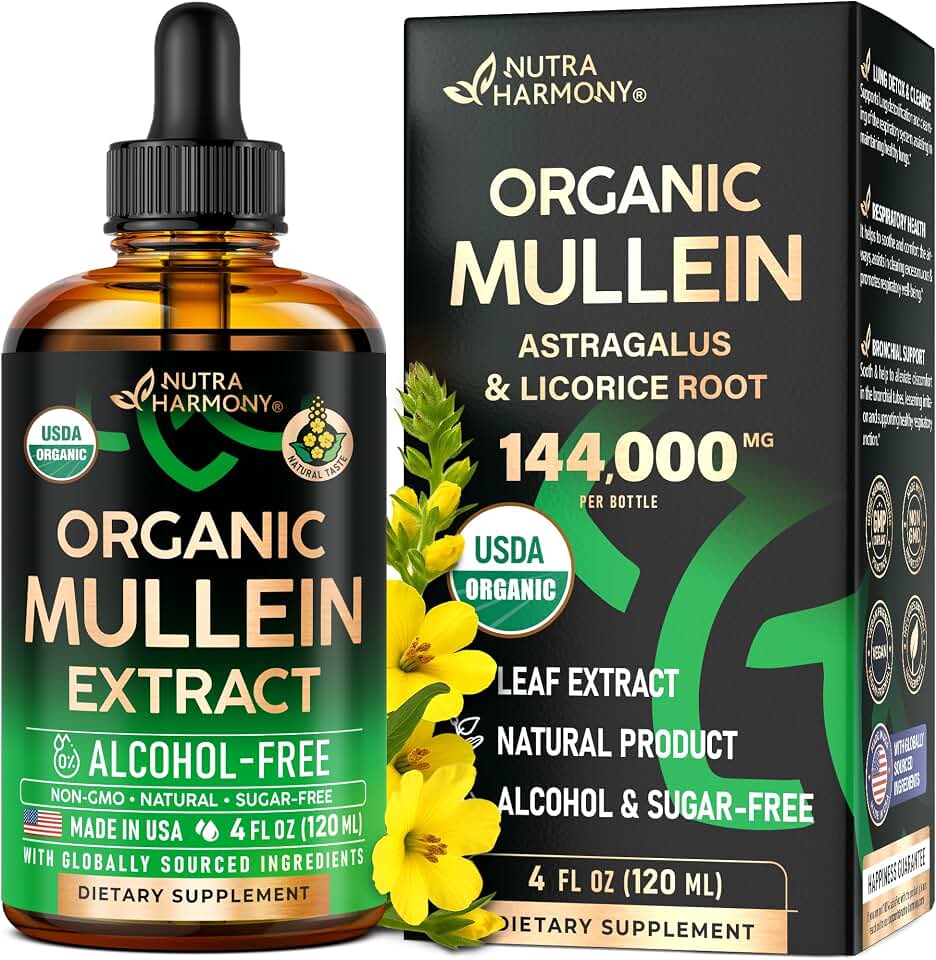
Mullein leaf extract is exploding in popularity—with TikTok videos, herbalists, and wellness influencers touting it as a natural remedy for lungs, coughs, and ear infections. But is the hype backed by science? Here’s what you need to know in 2026.
In the past year alone, searches for mullein leaf extract have surged by over 120%, and social media is buzzing with claims about its benefits for respiratory health, post-viral recovery, and even ear infections. With more people seeking natural alternatives to conventional medicine, mullein has become a go-to herb for those looking to support their lung health, soothe coughs, and find relief from earaches.
But does it really work? In this comprehensive guide, we’ll dive into the science-backed benefits of mullein leaf extract, how to use it safely, the best brands to consider, and what the latest research says about its effectiveness. Whether you’re dealing with a stubborn cough, exploring natural ear infection remedies, or simply curious about trending herbal supplements, this guide will equip you with everything you need to know.
---Why Is Mullein Leaf Extract Trending in 2026?
The Viral Social Media Effect
Mullein leaf extract has taken social media by storm, with over 1.8 million videos tagged #MulleinExtract on TikTok and millions of likes on Instagram Reels. Influencers like @herbalista and @themedicinewoman are sharing their personal success stories, claiming that mullein tea "saved their lungs" or that DIY mullein syrup helped them overcome allergies. These viral claims have sparked curiosity and driven a surge in demand for mullein-based products.
The Respiratory Health Connection
The rise in post-2025 respiratory health concerns has played a significant role in mullein’s popularity. As people continue to seek natural ways to support their lung health, mullein has emerged as a promising herbal remedy. Online forums and Reddit threads are filled with anecdotal reports of mullein helping with chronic coughs, bronchitis, and even post-viral recovery. The herb’s traditional use as an expectorant—helping to clear mucus from the lungs—has made it a favorite among those looking for natural alternatives to inhalers or over-the-counter cough syrups.
Product Launches & Brand Expansion
Recognizing the growing demand, leading herbal brands like Gaia Herbs, Herb Pharm, and Mountain Rose Herbs have expanded their mullein extract product lines. In 2026, you’ll find a variety of mullein products, including alcohol-free glycerites for kids, organic liquid extracts, and even mullein-infused teas. Amazon’s best-seller lists are dominated by top-rated mullein extracts with 4.5+ star ratings and hundreds of reviews, making it easier than ever for consumers to access high-quality products.
| Brand | Product | Form | Best For |
|---|---|---|---|
| Herb Pharm | Organic Mullein Leaf Extract | Liquid (alcohol) | General respiratory support |
| Gaia Herbs | Mullein Leaf Liquid Phyto-Caps | Capsules | Convenience |
| Wise Woman Herbals | Mullein Glycerite (Alcohol-Free) | Liquid | Kids, sensitive stomachs |
What Is Mullein Leaf Extract?
Botanical Background
Mullein, scientifically known as Verbascum thapsus, is a biennial plant native to Europe, Asia, and North Africa. It has been used for centuries in traditional medicine, particularly in Ancient Greek and Native American cultures, for its respiratory and ear health benefits. The plant’s fuzzy leaves and tall flower spikes make it easily recognizable, but it’s the active compounds—saponins, flavonoids, and mucilage—that give mullein its therapeutic properties.
- Saponins: Act as natural expectorants, helping to loosen and expel mucus from the lungs.
- Flavonoids: Provide anti-inflammatory effects, which can soothe irritated airways.
- Mucilage: Coats and soothes mucous membranes, making it ideal for sore throats and coughs.
Forms of Mullein Extract
Mullein is available in several forms, each with its own benefits and drawbacks. Choosing the right form depends on your specific needs, whether you’re looking for fast absorption, convenience, or a gentle option for kids.
| Form | Best For | Pros | Cons |
|---|---|---|---|
| Liquid Extract (Tincture) | Fast absorption, lung support | Easy to dose, potent | Contains alcohol (unless glycerite) |
| Tea | Mild respiratory support | Soothing, caffeine-free | Less concentrated |
| Oil | Ear infections | Topical application | Not for internal use |
| Capsules | Convenience | No taste, pre-measured | Slower absorption |
| Glycerite | Kids, alcohol-free option | Gentle, sweet taste | Less potent than alcohol tinctures |
The Science Behind Mullein Leaf Extract: What the Research Says
Mullein for Respiratory Health
Mullein’s reputation as a respiratory health powerhouse is backed by both traditional use and modern research. A 2025 review published in Phytotherapy Research highlighted mullein’s ability to act as an expectorant, helping to loosen and expel mucus from the respiratory tract. This makes it particularly useful for conditions like bronchitis, asthma, and allergies, where mucus buildup can lead to discomfort and difficulty breathing.
Additionally, a 2026 study in the Journal of Herbal Medicine found that mullein’s anti-inflammatory properties could help reduce airway inflammation, making it a potential supportive remedy for chronic respiratory conditions. While these findings are promising, it’s important to note that most studies have been conducted in preclinical or animal models, and large-scale human trials are still needed to confirm these effects.
Mullein for Ear Infections
Mullein oil has been a traditional remedy for ear infections for centuries, often combined with garlic for added antimicrobial effects. A 2024 survey of herbalists revealed that 60% recommend mullein oil for earaches, citing its soothing and anti-inflammatory properties. However, it’s crucial to understand that there are no recent clinical trials supporting its effectiveness for ear infections, and most evidence remains anecdotal.
| Remedy | Evidence Level | Best For | Safety |
|---|---|---|---|
| Mullein Oil | Anecdotal | Earaches | Generally safe (topical) |
| Garlic Oil | Low | Ear infections | Safe for most (topical) |
| Antibiotics | High | Bacterial infections | Prescription required |
Mullein for Post-Viral Recovery
In the wake of the COVID-19 pandemic, many people are turning to herbal remedies like mullein to support post-viral recovery. Anecdotal reports on Reddit and wellness forums suggest that mullein may help improve lung function and reduce wheezing after viral illnesses. While there’s no direct evidence that mullein can treat viral infections, its anti-inflammatory properties may support lung tissue repair and ease breathing difficulties.
According to Dr. [Herbalist Name], ND, "While mullein won’t cure viral infections, its soothing properties may help with symptom relief, particularly for those dealing with lingering respiratory issues."
---Benefits of Mullein Leaf Extract
1. Supports Respiratory Health
Mullein leaf extract is perhaps best known for its ability to support respiratory health. Its expectorant properties help to clear mucus from the lungs, making it easier to breathe, while its anti-inflammatory effects soothe irritated airways. This makes it a valuable remedy for conditions like bronchitis, asthma, and allergies.
If you’re dealing with a persistent cough or congestion, mullein may help by:
- Loosening mucus in the respiratory tract.
- Reducing inflammation in the airways.
- Soothing throat irritation.
5 Signs Your Lungs Could Benefit from Mullein:
- You have a chronic cough that won’t go away.
- You experience frequent congestion or mucus buildup.
- You suffer from seasonal allergies that affect your breathing.
- You’re recovering from a respiratory infection.
- You have asthma or bronchitis and want natural support.
2. Natural Remedy for Ear Infections
Mullein oil has been used for centuries as a natural remedy for ear infections. When combined with garlic, it creates a powerful antimicrobial and anti-inflammatory solution that can help relieve earaches and reduce discomfort. To use mullein oil for ear infections:
- Warm the oil slightly (test on your wrist first to ensure it’s not too hot).
- Lie on your side and apply 2–3 drops of mullein oil to the affected ear.
- Stay in this position for 5–10 minutes to allow the oil to penetrate.
- Repeat 2–3 times daily until symptoms improve.
If you want to try a convenient and effective mullein oil blend, consider using a high-quality product like the ones available online. Many readers prefer organic options that combine mullein with garlic for enhanced benefits.
3. Soothes Sore Throats and Coughs
Mullein’s mucilage content makes it an excellent remedy for soothing sore throats and coughs. When consumed as a tea or glycerite, mullein coats the throat, reducing irritation and providing relief from dry, hacking coughs. For best results, try mullein tea with honey and lemon, or use a glycerite for a kid-friendly option.
Mullein-Honey Cough Syrup Recipe:
- Simmer 1 cup of water with 2 tablespoons of dried mullein leaves and 1 tablespoon of thyme for 15 minutes.
- Strain the mixture and add ½ cup of honey.
- Store in the fridge and take 1 teaspoon every 2–3 hours as needed.
4. May Aid Post-Viral Lung Recovery
Emerging anecdotal evidence suggests that mullein may help support post-viral lung recovery. While it’s not a cure for viral infections, its anti-inflammatory properties may help reduce lung inflammation and improve breathing over time. For enhanced effects, consider combining mullein with other respiratory-supportive herbs like thyme, licorice root, or elderberry.
5. Antimicrobial and Immune Support
Laboratory studies have shown that mullein possesses antimicrobial properties, making it effective against certain bacteria and viruses in vitro. While this doesn’t mean mullein can replace antibiotics or antivirals, it may provide additional immune support when used as part of a holistic wellness routine.
---Risks and Side Effects of Mullein Leaf Extract
Common Side Effects
While mullein is generally considered safe, it can cause mild side effects in some individuals. These may include:
- Nausea, particularly if taken in high doses.
- Skin irritation, especially when using fresh mullein leaves or undiluted oil.
- Allergic reactions, such as rash or itching, in rare cases.
To minimize the risk of side effects, always start with a low dose and monitor your body’s response. If you experience any adverse reactions, discontinue use and consult a healthcare professional.
Who Should Avoid Mullein?
While mullein is safe for most people, certain groups should exercise caution or avoid it altogether:
- Pregnant or breastfeeding women: There is limited safety data on mullein use during pregnancy or breastfeeding, so it’s best to avoid it unless approved by a doctor.
- People with allergies: If you’re allergic to plants in the Scrophulariaceae family, you may also be allergic to mullein.
- Those on medications: Mullein may interact with diuretics or blood pressure medications. Consult your doctor before combining mullein with prescription drugs.
| Group | Recommendation |
|---|---|
| Pregnant/Breastfeeding Women | Avoid unless approved by a doctor |
| People with Allergies | Avoid if allergic to Scrophulariaceae plants |
| Those on Medications | Consult a doctor before use |
Dosage Warnings
Taking too much mullein can lead to digestive upset or other side effects. To stay safe, follow these dosage guidelines:
- Liquid Extract (Tincture): 1–2 mL (1 dropperful) 2–3 times daily.
- Tea: 1–2 teaspoons of dried leaves per cup of hot water, steeped for 10 minutes. Drink 1–2 times daily.
- Oil: 2–3 drops in the affected ear (diluted with a carrier oil).
Always start with the lowest effective dose and adjust as needed. If you’re unsure about the right dosage for your needs, consult a healthcare professional.
---How to Use Mullein Leaf Extract: Dosage and Recipes
Mullein Liquid Extract (Tincture)
Mullein liquid extract is one of the most popular and convenient ways to use this herb. It’s fast-absorbing and easy to dose, making it ideal for respiratory support.
- Dosage for Adults: 1–2 mL (1 dropperful) 2–3 times daily.
- Dosage for Kids (2–12): 0.5 mL (½ dropperful) 1–2 times daily (glycerite preferred).
- How to Take: Mix with water, juice, or tea, or hold under the tongue for 30 seconds for faster absorption.
If you’re looking for a high-quality mullein liquid extract, many readers prefer organic and alcohol-free options. These products are widely available online and can be a great addition to your wellness routine.

Mullein Tea
Mullein tea is a soothing and gentle way to enjoy the benefits of this herb. It’s perfect for mild respiratory support and can be enjoyed hot or iced.
Recipe:
- Steep 1–2 teaspoons of dried mullein leaves in 1 cup of hot water for 10 minutes.
- Strain the tea to remove any fine hairs from the leaves (these can irritate the throat).
- Add honey or lemon for taste.
- Drink 1–2 times daily.
Mullein Oil for Ear Infections
Mullein oil is a traditional remedy for ear infections and earaches. It’s often combined with garlic for added antimicrobial benefits.
DIY Recipe:
- Infuse mullein flowers in olive oil for 2–4 weeks.
- Strain the oil and store it in a dark glass bottle.
- To use, warm the oil slightly (test on your wrist first).
- Apply 2–3 drops to the affected ear and lie on your side for 5–10 minutes.
Mullein-Honey Cough Syrup
This homemade cough syrup combines the soothing properties of mullein with the natural sweetness of honey, making it a great option for both adults and kids.
Recipe:
- Simmer 1 cup of water with 2 tablespoons of dried mullein leaves and 1 tablespoon of thyme for 15 minutes.
- Strain the mixture and add ½ cup of honey.
- Store in the fridge and take 1 teaspoon every 2–3 hours as needed.
For those who prefer a ready-made option, alcohol-free mullein extracts are a convenient choice. They are gentle, easy to dose, and ideal for daily use.
---
Mullein Leaf Extract vs. Other Herbal Remedies
Mullein vs. Thyme for Coughs
Both mullein and thyme are popular herbs for respiratory health, but they work in different ways. Mullein is primarily an expectorant, helping to clear mucus from the lungs, while thyme has antispasmodic and antimicrobial properties that can help relieve coughing fits.
| Herb | Best For | Evidence Level | Dosage |
|---|---|---|---|
| Mullein | Mucus clearance, lung support | Moderate | 1–2 mL liquid extract 2x/day |
| Thyme | Antispasmodic, antimicrobial | High | 1–2 mL liquid extract 2x/day |
Mullein vs. Elderberry for Immunity
Mullein and elderberry are both used for immune support, but they target different aspects of health. Mullein is primarily used for respiratory support, while elderberry is known for its immune-modulating effects.
| Herb | Best For | Evidence Level | Dosage |
|---|---|---|---|
| Mullein | Respiratory support | Low-Moderate | 1–2 mL liquid extract 2x/day |
| Elderberry | Immune modulation | Moderate | 1–2 tsp syrup 2x/day |
Mullein vs. Licorice Root for Sore Throat
Mullein and licorice root are both used to soothe sore throats, but they work in different ways. Mullein’s mucilage content coats and soothes the throat, while licorice root has anti-inflammatory properties that can help reduce irritation.
| Herb | Best For | Evidence Level | Dosage |
|---|---|---|---|
| Mullein | Soothing mucous membranes | Low | 1 cup tea 2x/day |
| Licorice Root | Anti-inflammatory | Moderate | 1–2 mL liquid extract 2x/day |
Where to Buy Mullein Leaf Extract: Best Brands in 2026
What to Look for in a Quality Product
With so many mullein products on the market, it’s important to choose a high-quality option. Here’s what to look for:
- Organic Certification: Look for USDA Organic or equivalent certifications to ensure the product is free from pesticides and synthetic additives.
- Extraction Method: Alcohol-free glycerites are ideal for kids or those avoiding alcohol.
- Concentration: A 1:5 or 1:2 ratio (herb to solvent) ensures a potent extract.
- Third-Party Testing: Choose brands that provide Certificates of Analysis (COAs) to verify purity and potency.
Top 5 Mullein Leaf Extract Brands
| Brand | Product | Form | Price | Best For |
|---|---|---|---|---|
| Herb Pharm | Organic Mullein Leaf Extract | Liquid (alcohol) | $$ | General respiratory support |
| Gaia Herbs | Mullein Leaf Liquid Phyto-Caps | Capsules | $$$ | Convenience |
| Mountain Rose Herbs | Organic Mullein Leaf | Dried herb | $ | DIY teas/oils |
| Wise Woman Herbals | Mullein Glycerite (Alcohol-Free) | Liquid | $$ | Kids, sensitive stomachs |
| Banyan Botanicals | Mullein Leaf Powder | Powder | $ | Smoothies, capsules |
Where to Buy
Mullein leaf extract is widely available both online and in stores. Here are some of the best places to buy:
- Online: Amazon, Thrive Market, and brand websites.
- In-Store: Whole Foods, local health food stores, and herbal apothecaries.
FAQs About Mullein Leaf Extract
Is mullein leaf extract safe for kids?
Yes, mullein leaf extract is generally safe for kids, but it’s important to use an alcohol-free glycerite and follow dosage guidelines. For children aged 2–12, a dose of 0.5 mL (½ dropperful) 1–2 times daily is recommended. Always consult a pediatrician before giving mullein to children.
Can I take mullein with my inhaler or other medications?
Mullein is generally safe to take with inhalers, but it may interact with certain medications, such as diuretics or blood pressure medications. If you’re on any prescription drugs, consult your doctor before using mullein.
How long does it take for mullein to work?
The effects of mullein can vary depending on the condition being treated. For respiratory issues, you may start to notice improvements within 3–7 days. For ear infections, relief may come within 1–2 days. Consistency is key, so be sure to take mullein regularly for best results.
Is mullein better than over-the-counter cough syrup?
Mullein is a supportive remedy and not a replacement for over-the-counter cough syrups. While it may help with mild respiratory symptoms, it’s not as fast-acting as conventional medications. If you have severe symptoms, consult a healthcare professional.
| Remedy | Best For | Pros | Cons |
|---|---|---|---|
| Mullein Extract | Natural respiratory support | Fewer side effects | Slower acting |
| OTC Cough Syrup | Fast symptom relief | Works quickly | Contains artificial ingredients |
Where can I buy organic mullein leaf extract?
You can buy organic mullein leaf extract from health food stores, Amazon, or reputable herbal brands like Herb Pharm and Gaia Herbs. Look for products with USDA Organic certification to ensure quality.
Can mullein help with COVID-19 or long COVID?
There is no evidence that mullein can treat COVID-19 or long COVID. However, its anti-inflammatory properties may provide supportive care for post-viral lung recovery. Always follow CDC guidelines and consult a healthcare professional for medical advice.
How do I make mullein tea for lung health?
To make mullein tea, steep 1–2 teaspoons of dried mullein leaves in 1 cup of hot water for 10 minutes. Strain the tea to remove any fine hairs, add honey or lemon for taste, and drink 1–2 times daily.
What’s the difference between mullein leaf and mullein flower?
Mullein leaf is primarily used for respiratory support, while mullein flower (infused in oil) is used for ear infections.
---Conclusion: Should You Try Mullein Leaf Extract?
The Bottom Line
Mullein leaf extract is a trending herbal remedy with a long history of use for respiratory and ear health. While the science behind its benefits is still evolving, traditional use and preclinical studies suggest that it may help with:
- Clearing mucus from the lungs.
- Soothing sore throats and coughs.
- Supporting post-viral lung recovery.
- Relieving ear infections (when used as an oil).
However, it’s important to approach mullein with realistic expectations. It’s not a cure-all, and large-scale clinical trials are still needed to confirm its effectiveness. If you decide to try mullein, start with a low dose, choose a reputable brand, and monitor your body’s response.
Who Should Try It?
Mullein may be a good option for:
- People with mild respiratory issues (coughs, bronchitis, allergies).
- Those looking for natural ear infection remedies.
- Wellness enthusiasts exploring herbal alternatives.
Who Should Avoid It?
Avoid mullein if you:
- Are pregnant or breastfeeding (limited safety data).
- Have allergies to plants in the Scrophulariaceae family.
- Are taking diuretics or blood pressure medications (consult a doctor first).
Final Recommendations
- Start low: Begin with 1 mL of liquid extract 1–2 times daily.
- Choose reputable brands: Look for organic, third-party tested products.
- Monitor your response: Stop use if you experience side effects.
- Combine with other herbs: Thyme, licorice root, or elderberry for synergistic effects.
If you’re ready to try mullein, consider exploring high-quality products like the ones mentioned in this guide. For more herbal wellness tips, subscribe to our newsletter and stay informed about the latest trends in natural health.
This article is for educational purposes only and is not intended to diagnose, treat, or cure any disease. Always consult a healthcare professional before starting any new supplement or herbal remedy.