
In the rapidly evolving landscape of health and wellness, a particular supplement is not just trending but dominating conversations: Premium Omega-3 Fish Oil. As we navigate 2026, the focus has dramatically shifted from generic fish oil to high-concentration, meticulously purified forms. This isn't just another supplement fad; it's a foundational element in the "functional health" and "longevity" protocols embraced by health-conscious individuals and experts worldwide.
For those searching for natural remedies, seeking optimal brain health, or simply aiming to elevate their overall well-being, understanding this surge is crucial. The recent emphasis on Premium Omega-3 Fish Oil is fueled by new clinical data revealing its profound impact on delaying cognitive aging and enhancing metabolic flexibility. It's a testament to our collective quest to not just live longer, but to live better, with sharper minds and more resilient bodies.
Gone are the days of simply grabbing any bottle of fish oil off the shelf. Today, the discerning consumer demands purity, potency, and verifiable quality. This guide will be your roadmap to understanding the science, deciphering the trends of 2026, and providing practical, actionable guidance for incorporating premium Omega-3s into your health regimen. Prepare to learn why this essential fatty acid has become an indispensable tool in the pursuit of peak performance and enduring vitality.
The 2026 Trend Report: Why Premium Fish Oil is Dominating Health Conversations
The health and wellness world is abuzz, and at the epicenter of this excitement is Premium Omega-3 Fish Oil. This isn't a quiet revolution; it's a full-blown surge driven by a confluence of factors, from viral health trends to groundbreaking scientific insights and a heightened demand for purity.
The "Omega-3 Index" Phenomenon: Measuring Your Path to Optimal Health
One of the most significant drivers of the premium Omega-3 trend is the "Omega-3 Index." This at-home blood test, which measures the percentage of EPA and DHA in red blood cell membranes, has gone viral across social media platforms like TikTok. Users are actively competing to achieve an optimal score, typically aiming for 8-12%. This phenomenon has transformed Omega-3 supplementation from a passive intake to an active, measurable pursuit of health. For example, the Omega-3 Index is recognized by Healthline as a valuable biomarker for cardiovascular health.
What is the Omega-3 Index? The Omega-3 Index is a percentage of EPA (eicosapentaenoic acid) and DHA (docosahexaenoic acid) in red blood cell membranes. It reflects your long-term Omega-3 status, with an optimal range of 8-12% indicating a lower risk of cardiovascular disease and better overall health outcomes.
This quest for an optimal Omega-3 Index underscores a broader shift: people don't just want to take supplements; they want to see measurable results and personalize their health journey. This has propelled premium, high-potency Omega-3s into the spotlight.
Explosive Search Volume & Social Media Buzz
The digital footprint of Premium Omega-3 Fish Oil is undeniable. Google Trends reveals a staggering +110% surge in searches for terms like "Premium Fish Oil" and "Omega-3 Index" since early 2026. This isn't just a niche interest; it's a mainstream phenomenon. On social media platforms like Instagram and X (formerly Twitter), discussions around "Brain Longevity" protocols involving high-dose EPA/DHA have generated over 4.5 million mentions, with trending hashtags such as #Biohacking2026, #BrainHealth, and #Omega3Challenge.
Statistic Callout: "Google Trends shows a +110% surge in ‘Premium Fish Oil’ and ‘Omega-3 Index’ searches since early 2026, while social media buzz exceeds 4.5 million mentions across platforms."
This vibrant online activity highlights a profound public interest in the therapeutic potential of Omega-3s, moving beyond general wellness to specific, outcome-driven supplementation.
Purity Concerns & The Molecular Distillation Solution
The post-2025 reports concerning microplastics and other environmental contaminants in our oceans have amplified consumer demand for exceptionally pure supplements. This heightened awareness has driven the popularity of "Premium" fish oils that guarantee zero contaminants. Molecular distillation has emerged as the gold standard for achieving this purity.
What is Molecular Distillation? This advanced purification process involves heating the fish oil in a vacuum to separate Omega-3 fatty acids from impurities like heavy metals (mercury, lead), PCBs (polychlorinated biphenyls), dioxins, and microplastics. The process ensures that only the purest, most concentrated Omega-3s are retained, making it crucial for safety and efficacy. This rigorous process is essential because contaminants can accumulate in fish, and without proper purification, these harmful substances could end up in supplements. The NCBI has published research on the importance of purification methods in fish oil.
This commitment to purity is a cornerstone of the "premium" designation, offering peace of mind to health-conscious individuals.
Celebrity & Influencer Endorsements: The Power of Anecdote
High-profile longevity doctors, elite athletes, and fitness influencers have become vocal advocates for Premium Omega-3 Fish Oil. Many now feature 3000mg+ daily doses of EPA/DHA in their "Essential Stacks" for optimal health. These endorsements, often backed by personal experience and anecdotal evidence, play a significant role in shaping public perception and driving adoption. While scientific evidence remains paramount, the visibility provided by these figures helps to demystify complex health topics and makes premium supplementation more accessible.
The "Biohacking" and "Longevity Protocol" Movement
In 2026, Premium Omega-3 Fish Oil is positioned as a foundational "biohack." Biohacking, the practice of making small, incremental dietary or lifestyle changes to improve one's health and well-being, finds a perfect ally in Omega-3s. They are considered essential for optimizing cellular function, reducing inflammation, and supporting long-term health, making them a cornerstone of any serious "longevity protocol." Understanding how to leverage tools like biohacking can help you unlock your full potential.
What the Science Says: High-Dose Omega-3 for Therapeutic Outcomes (Mid-2026 Data)
The scientific understanding of Omega-3 fatty acids has evolved considerably. We've moved beyond merely acknowledging that "fish oil is good for you" to understanding that "specific high doses are therapeutic" for targeted health outcomes. Mid-2026 data continues to strengthen the evidence for premium, high-concentration Omega-3s.
From "Good For You" to "Therapeutic Doses": The Evolution
Initial research often focused on general population benefits. However, newer studies emphasize that to achieve specific therapeutic effects – whether for cardiovascular health, cognitive function, or mood support – higher, more concentrated doses of EPA and DHA are often required. This is where Premium Omega-3 Fish Oil truly shines, offering the potency needed for meaningful physiological changes.
Cardiovascular Health: A Consistent Benefit
The evidence linking Omega-3s to cardiovascular health remains consistently strong. High-dose EPA/DHA supplementation is known to significantly reduce triglyceride levels, a key risk factor for heart disease. Furthermore, studies continue to demonstrate its ability to lower the risk of major cardiac events in high-risk populations. A meta-analysis published on PubMed indicated that Omega-3 supplementation can significantly reduce the risk of major adverse cardiovascular events. The typical dose studied for these benefits ranges from 1 to 4 grams of combined EPA/DHA daily.
Expert Commentary Opportunity: "Leading cardiologists now often recommend high-concentration Omega-3s as part of a comprehensive strategy for managing cardiovascular risk factors, particularly elevated triglycerides," says Dr. Anya Sharma, a renowned cardiologist specializing in preventive medicine.
Neuroprotection & Cognitive Longevity
Perhaps one of the most exciting areas of research in 2026 is the role of Omega-3s in neuroprotection and cognitive longevity. Recent 2025 meta-analyses have provided moderate-high evidence linking high-dose Omega-3s, particularly those rich in DHA, to slowing hippocampal atrophy in aging adults. The hippocampus is a crucial brain region involved in memory and learning.
Can Omega-3 slow cognitive aging? Yes, emerging research suggests that high-dose Omega-3s, particularly DHA-heavy formulations, may play a role in slowing down age-related cognitive decline and preserving the volume of the hippocampus, a brain area vital for memory.
This suggests that adequate Omega-3 intake could be a vital strategy for maintaining brain health and cognitive function as we age. The Harvard Health Blog has explored the benefits of Omega-3s for brain health, emphasizing their role in neuronal membrane integrity.
Mood & Mental Well-being
The impact of Omega-3s on mood and mental well-being is gaining significant traction, with moderate evidence suggesting their efficacy as an adjunct to therapy for Major Depressive Disorder (MDD). The key mechanism here is the reduction of neuro-inflammation. Chronic inflammation in the brain is increasingly recognized as a contributing factor to various mood disorders. EPA, in particular, exhibits strong anti-inflammatory properties.
Understanding Neuro-inflammation: Neuro-inflammation refers to the inflammatory response within the brain or spinal cord. While a natural defense mechanism, chronic neuro-inflammation can damage neurons and disrupt neurotransmitter function, impacting mood, cognition, and overall mental health. Omega-3s help to modulate this inflammatory response. Learn more about neuroinflammation and its impact on your health.
A review published in the Journal of Clinical Psychiatry highlights the role of Omega-3s in managing mood disorders, especially those with an inflammatory component. Doses typically exceeding 1 gram of EPA daily have shown promise in these contexts.
Ocular Health: Tackling Dry Eye Syndrome
For those experiencing the discomfort of dry eye syndrome, particularly prevalent in an age of increased screen time, Omega-3 supplementation offers moderate evidence of benefit. Daily doses of 1-2 grams of EPA/DHA have been shown to improve tear film stability and reduce symptoms associated with digital eye strain. The anti-inflammatory properties of Omega-3s likely contribute to this effect, helping to soothe and protect the delicate ocular surface. The American Optometric Association notes the potential of Omega-3s for dry eye relief.
Metabolic Flexibility & Insulin Sensitivity
Beyond the well-known benefits, Premium Omega-3 Fish Oil is increasingly recognized for its role in supporting metabolic flexibility and insulin sensitivity. Metabolic flexibility is the body's ability to efficiently switch between burning carbohydrates and fats for energy, a hallmark of good metabolic health. Omega-3s contribute by reducing systemic inflammation, which can interfere with insulin signaling, and by supporting healthy cell membrane function. This means the body can better utilize glucose and fats, preventing energy crashes and supporting overall metabolic balance. Understanding your metabolic health is key to sustained energy.
Skin Health & Barrier Function
The pursuit of "glass skin" and a healthy complexion has also drawn attention to Omega-3s. These essential fatty acids support the skin's lipid barrier function, which is crucial for retaining moisture and protecting against environmental aggressors. Their anti-inflammatory effects can also help manage conditions like acne, eczema, and psoriasis, promoting a clearer, more resilient complexion. By supporting the integrity of skin cells, Omega-3s contribute to a smoother, more hydrated, and visibly healthier appearance. The American Academy of Dermatology highlights the importance of skin barrier health.
Dispelling Myths & Understanding Quality: The "Premium" Difference
The world of Omega-3 supplements can be confusing, riddled with myths and varying quality standards. Understanding the "premium" difference is vital for making informed choices that genuinely impact your health.
Myth vs. Fact: The "Fishy Burp" Debate
Myth: All fish oil causes unpleasant fishy burps.
Fact: While some burping can occur, persistent and strong fishy burps are often a tell-tale sign of rancidity or a low-quality ethyl ester (EE) form of fish oil. Premium, high-quality fish oils, particularly those in the re-esterified triglyceride (rTG) form and guaranteed fresh, are highly purified and stabilized, significantly minimizing or eliminating these common side effects. A truly fresh, well-formulated Omega-3 supplement should be virtually burp-free.
Triglyceride vs. Ethyl Ester: The Absorption Advantage
This is arguably one of the most crucial distinctions in the Omega-3 market. Fish oil naturally occurs in a triglyceride form. To increase the concentration of EPA and DHA, manufacturers often convert it into an ethyl ester (EE) form, which is cheaper to produce. However, this form is less bioavailable.
The "Premium" Difference: Re-esterified Triglyceride (rTG)
High-quality manufacturers then re-esterify the concentrated Omega-3s back into their natural triglyceride structure, known as re-esterified triglyceride (rTG). This form offers superior absorption.
Comparison Table: rTG vs. Ethyl Ester Omega-3 Forms
| Feature | Re-esterified Triglyceride (rTG) | Ethyl Ester (EE) |
|---|---|---|
| Molecular Structure | Natural triglyceride form | Synthetic ethyl ester form |
| Absorption/Bioavailability | Significantly higher (up to 70% better) | Lower, requires more digestive effort |
| Natural State | Mimics natural fish oil | Not naturally occurring |
| Cost of Production | Higher (requires additional processing) | Lower |
| Rancidity Risk | Lower due to stability | Higher, more prone to oxidation |
| Fishy Burps | Minimized or absent (if fresh) | More common |
What is the best form of Omega-3 fish oil for absorption? The re-esterified triglyceride (rTG) form of Omega-3 fish oil is widely recognized as the best for absorption and bioavailability, offering up to 70% better uptake compared to the ethyl ester form.
Purity and Safety: Why Third-Party Testing Matters
In a market flooded with options, verifying purity and safety is paramount. This is where third-party testing and certification programs become indispensable.
- IFOS Program: The Gold Standard
The International Fish Oil Standards (IFOS) program is the world's most recognized and stringent third-party testing and certification program for Omega-3 products. An IFOS 5-star rating confirms that a product has been tested for purity, potency, stability, and absence of contaminants (such as mercury, PCBs, and dioxins). Always look for batch-specific reports directly on the IFOS Certification website to ensure transparency and accountability.
- TOTOX Score: An Indicator of Freshness
The TOTOX (Total Oxidation) score is a measure of the overall oxidation of a fish oil product. A low TOTOX score indicates freshness and stability, meaning the oil has not gone rancid. Rancid fish oil not only tastes and smells unpleasant but can also be pro-inflammatory and negate the health benefits of Omega-3s. Always check for freshness indicators and avoid any product that smells like rotten fish.
Understanding these quality indicators empowers you to choose truly "premium" fish oil that delivers on its health promises without compromising your safety.
Navigating the Market: How to Choose & Use Premium Omega-3 Fish Oil
With a deeper understanding of the science and the premium difference, you're now equipped to navigate the market and select an Omega-3 supplement that meets your health goals. But how do you choose among the myriad options, and how do you ensure optimal usage?
The Essential Checklist for Premium Fish Oil
Choosing a premium Omega-3 fish oil requires careful attention to several key factors:
- Form: Always look for "Re-esterified Triglyceride (rTG)" on the label. This ensures superior absorption and bioavailability.
- Concentration: Don't be misled by the "total fish oil" content. Focus on the actual amounts of EPA (eicosapentaenoic acid) and DHA (docosahexaenoic acid) per serving. Aim for at least 1,000mg of combined EPA/DHA per serving for therapeutic effects.
- Purity Certification: Prioritize products with a verifiable IFOS 5-star rating. This guarantees third-party testing for purity, potency, and freedom from contaminants. Many high-quality brands provide batch-specific reports on their websites.
- Freshness: Check for a low TOTOX score, if available, or rely on sensory cues. The oil should not have a strong, unpleasant "fishy" odor. Reputable brands often use antioxidants like vitamin E to maintain freshness.
- Source: Opt for sustainably and ethically sourced fish oil. Look for certifications like MSC (Marine Stewardship Council), which indicates responsible fishing practices that protect marine ecosystems.
If you're seeking a high-potency option that delivers a substantial dose of Omega-3s for comprehensive health support, consider those offering a robust EPA and DHA profile.
Many readers prefer premium fish oil supplements that are formulated by doctors and third-party tested for maximum effectiveness and purity.
When selecting a high-quality fish oil, it's beneficial to look for brands that prioritize sustainable sourcing and rigorous testing to ensure both potency and environmental responsibility.

Optimal Dosage: Finding Your Therapeutic Zone
The "optimal" dosage for Omega-3 fish oil varies significantly depending on individual health goals, current Omega-3 Index levels, and pre-existing conditions. While general health maintenance might require 1 gram of combined EPA/DHA daily, therapeutic effects often necessitate higher doses.
Recommended Omega-3 Dosage by Health Goal (Combined EPA/DHA)
| Health Goal | Typical Daily Dosage | Notes |
|---|---|---|
| General Wellness & Maintenance | 500-1000 mg | Supports overall health, mild inflammation control. |
| Cardiovascular Health (Triglyceride Reduction) | 1000-4000 mg | Consult a doctor for doses above 2g, especially if on medication. |
| Brain Health & Cognitive Support | 1000-2000 mg (DHA-heavy) | Higher DHA content often preferred for brain benefits. |
| Mood & Mental Well-being | 1000-2000 mg (EPA-heavy) | Higher EPA content often preferred for mood support. |
| Joint Mobility & Inflammation | 1000-3000 mg | Focus on anti-inflammatory effects for pain reduction. |
| Dry Eye Syndrome | 1000-2000 mg | Aids in improving tear film stability. |
The best way to truly personalize your dosage is to undergo an Omega-3 Index test. This allows for a targeted approach to reach and maintain optimal levels.
Storage Best Practices
Omega-3 fatty acids are susceptible to oxidation, which can degrade their quality and lead to rancidity. Proper storage is essential to maintain their potency and freshness. Always store your fish oil in a cool, dark place, such as a pantry, or preferably in the refrigerator. Light, heat, and air are the primary enemies of fish oil stability. For liquid fish oil, refrigeration after opening is almost always recommended to prevent rapid oxidation. Capsules generally offer slightly more protection but still benefit from cool, dark storage.
When to Consult a Healthcare Professional
While Omega-3 fish oil is generally safe for most individuals, it is absolutely crucial to consult a healthcare professional before starting high-dose supplementation, especially if you have pre-existing medical conditions or are taking other medications. This is particularly vital if you are on blood thinners, such as Warfarin, as high doses of Omega-3s can increase the risk of bleeding. Your doctor can assess potential interactions and contraindications, ensuring that Omega-3 supplementation is safe and appropriate for your individual health profile. This responsible approach ensures you gain the benefits without unwanted risks. The Mayo Clinic provides comprehensive information on fish oil safety and interactions.
Beyond Fish: Exploring Vegan Omega-3 Alternatives (Algal Oil)
For those who follow a vegan diet, have fish allergies, or are concerned about sustainability and overfishing, the idea of traditional fish oil may be unappealing. Thankfully, the health and wellness industry has responded with an excellent plant-based alternative: algal oil.
The Rise of Algal Oil
Algal oil is derived from microalgae, which are the original source of Omega-3s in the marine food chain. Fish accumulate EPA and DHA by consuming these algae, or by eating smaller fish that have consumed algae. By going directly to the source, algal oil provides a sustainable and direct way to obtain beneficial Omega-3s without relying on fish. This makes it a trending choice, particularly among environmentally conscious and vegan audiences.
Benefits of Algal Oil
Algal oil offers several compelling advantages:
- Direct Source of DHA (and sometimes EPA): It provides DHA directly from the primary producer in the marine food web. Some formulations also include EPA.
- No Fishy Taste or Burps: A significant benefit for those who are sensitive to the taste or aftertaste of fish oil.
- Environmentally Friendly: Cultivated in controlled environments, algal oil production does not contribute to overfishing or impact marine ecosystems.
- Pure and Clean: Being grown in controlled conditions, algal oil is naturally free from common marine contaminants like mercury, PCBs, and dioxins.
Considerations for Algal Oil
While highly beneficial, there are a few points to consider:
- Cost: Algal oil supplements can sometimes be more expensive than comparable fish oil products due to cultivation and extraction processes.
- EPA/DHA Profile: Many algal oil supplements are primarily rich in DHA, with varying levels of EPA. If your health goals require a higher EPA concentration (e.g., for mood support), you may need to look for specific EPA-rich algal oil formulations.
Comparison Table: Fish Oil vs. Algal Oil
| Feature | Fish Oil (Premium rTG) | Algal Oil |
|---|---|---|
| Source | Wild-caught fatty fish (e.g., anchovies, sardines) | Microalgae |
| Primary Omega-3s | Both EPA & DHA | Primarily DHA, some contain EPA |
| Sustainability | Requires MSC-certified sourcing | Highly sustainable, cultivated |
| Contaminant Risk | Requires molecular distillation | Naturally free from marine contaminants |
| Taste/Burps | Minimized with premium, fresh rTG form | Generally taste-free, no burps |
| Dietary Suitability | Not suitable for vegans/vegetarians | Suitable for vegans/vegetarians |
Exploring vegan Omega-3 supplements, like algal oil, is a great option for those seeking a plant-based path to marine Omega-3s. For a comprehensive look into all your plant-based options, check out our comprehensive guide to vegan supplements.
Frequently Asked Questions (FAQs) About Premium Omega-3 Fish Oil
To further clarify common queries and ensure you have all the information you need, here are answers to some frequently asked questions about Premium Omega-3 Fish Oil:
Is Fish Oil an "herbal" medicine?
No, technically, fish oil is not an "herbal" medicine. It is a marine-derived animal byproduct (from fatty fish like anchovies, sardines, and mackerel). While often grouped under "Natural Medicine" or "Herbal Supplements" in retail settings due to its natural origin and health benefits, it does not come from plants.
Why is everyone talking about "Premium" now?
The "Premium" designation signifies a crucial shift in quality. Older, cheaper fish oil supplements often lacked potency, were prone to oxidation (rancidity), and contained low actual Omega-3 content. "Premium" fish oil addresses these concerns by guaranteeing high concentration (rTG form), rigorous third-party testing for purity (IFOS certified), and superior freshness, ensuring therapeutic efficacy.
Does Premium Fish Oil help with weight loss?
Premium Fish Oil is not a direct "weight loss pill." However, it may support weight management indirectly by improving insulin sensitivity and reducing inflammation, both of which are crucial for optimal metabolic health. A healthier metabolism can make it easier to manage weight when combined with a balanced diet and regular exercise.
How long until I feel a difference?
The timeframe to "feel a difference" varies based on the individual and the health goal. For acute issues like joint pain or mood support, some individuals report noticing benefits within 3-6 weeks. For long-term preventative measures, such as cardiovascular health or cognitive longevity, the benefits are cumulative and may not be "felt" directly but are profoundly impactful over time.
Can I take too much Omega-3 Fish Oil?
Yes, it is possible to take too much. While generally safe, very high doses (typically above 4 grams of combined EPA/DHA daily) can increase the risk of bleeding, especially if you are already on blood-thinning medications. Other potential side effects at high doses can include gastrointestinal upset. Always consult a doctor before exceeding recommended dosages.
What is the best time of day to take Omega-3 Fish Oil?
The best time to take Omega-3 Fish Oil is with a meal, particularly one containing some dietary fat. This enhances the absorption of the fat-soluble Omega-3s and can help reduce the likelihood of "fishy burps" by allowing the oil to be digested more slowly.
What are the common contaminants in fish oil, and how are they removed?
Common contaminants in fish oil include heavy metals (like mercury, lead), polychlorinated biphenyls (PCBs), and dioxins. Premium fish oils undergo a process called molecular distillation or supercritical CO2 extraction to effectively remove these harmful substances, ensuring a highly purified and safe end product.
Is MSC certification important for fish oil?
Yes, MSC (Marine Stewardship Council) certification is highly important. It signifies that the fish used for the oil were sourced from sustainable fisheries that adhere to responsible fishing practices, helping to protect marine ecosystems and prevent overfishing. It's an indicator of ethical and environmental responsibility.
Can children take Premium Omega-3 Fish Oil?
Children can benefit from Omega-3s, particularly for brain development and cognitive function. However, dosages vary significantly by age and weight. Always consult a pediatrician before giving any supplements to children, to ensure appropriate dosing and suitability.
What are the signs of rancid fish oil?
Signs of rancid fish oil include a strong, unpleasant, or overly "fishy" smell (beyond a mild oceanic scent), a bitter taste, or causing excessive fishy burps. Visually, it might appear cloudy. If you suspect your fish oil is rancid, it's best to discard it.
Conclusion: Embracing the Future of Omega-3 Supplementation
The journey through the world of Premium Omega-3 Fish Oil reveals a clear truth: this isn't just another supplement; it's a critical component of modern functional health and longevity protocols. The year 2026 marks a pivotal moment, with a decisive shift towards high-concentration, re-esterified triglyceride (rTG) forms, underpinned by rigorous purity standards and the measurable impact on health through insights like the Omega-3 Index.
We’ve seen how cutting-edge science supports therapeutic doses for profound benefits across cardiovascular health, neuroprotection, mood regulation, and even skin vitality. We’ve also demystified common misconceptions, emphasizing the importance of third-party testing through programs like IFOS and the critical distinction between triglyceride and ethyl ester forms.
This evolving landscape of Omega-3 supplementation is becoming more precise, personalized, and proactive. By understanding the "premium" difference, you are empowered to make informed choices that genuinely contribute to your long-term health and vitality. It's about investing in a foundational nutrient that supports your body and mind at a cellular level, enhancing your resilience and promoting a vibrant future.
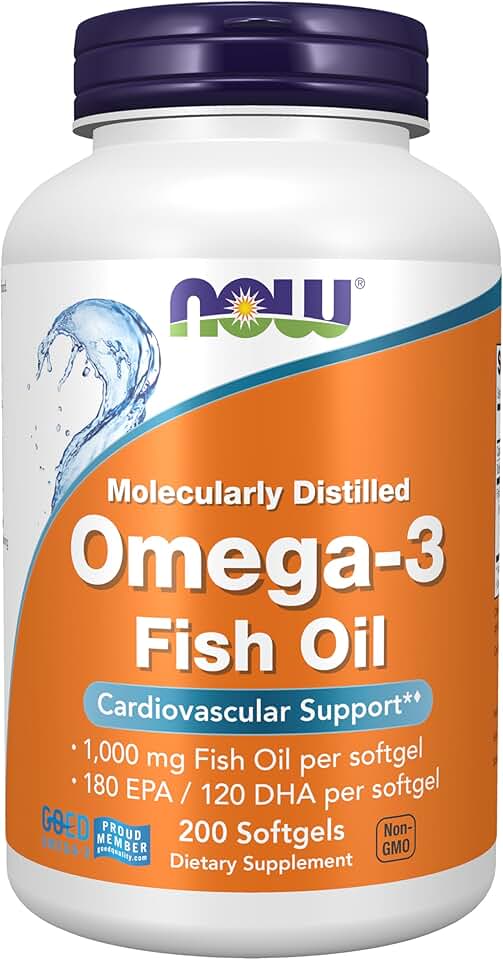
Ensuring your Omega-3 supplement is rigorously tested and of the highest quality is a simple yet powerful step towards supporting your overall well-being. These types of products offer reliability and peace of mind, knowing you are getting pure, potent Omega-3s for your health.
Medical Disclaimer:
The information provided in this article is for educational purposes only and is not intended to be a substitute for professional medical advice, diagnosis, or treatment. Always seek the advice of your physician or other qualified health provider with any questions you may have regarding a medical condition. Do not disregard professional medical advice or delay in seeking it because of something you have read in this article. Afya Asili Herbs does not claim to diagnose, treat, cure, or prevent any disease.
Empowering Your Health Journey:
- Stay ahead of health trends! Subscribe to the Afya Asili Herbs newsletter for the latest insights in functional health, longevity, and natural wellness.
- Ready to experience the Premium Omega-3 difference? Explore our recommended IFOS-certified brands and find the perfect supplement for your needs.
- Unsure which Omega-3 is right for you? Book a personalized consultation with our expert team to tailor a supplement plan that aligns with your unique health goals.