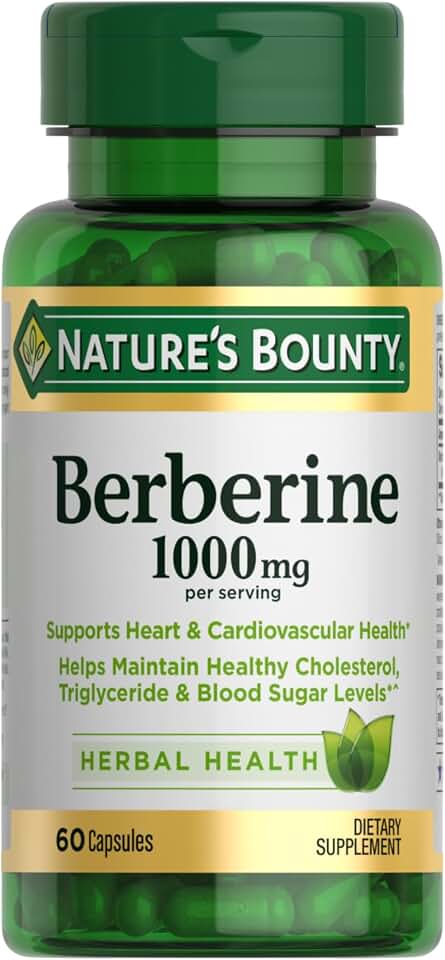
Imagine scrolling through TikTok or Instagram and seeing thousands of weight loss success stories attributed to a single yellow capsule. It’s called Berberine, and it has been dubbed "Nature’s Ozempic" by viral influencers. But as demand for this metabolic powerhouse skyrocketed, a dangerous shadow industry emerged. Today, the market is flooded with fake Berberine—fraudulent supplements that contain everything from harmless rice flour to potentially toxic contaminants. If you are one of the millions looking to improve your metabolic health, knowing how to distinguish a genuine extract from a counterfeit scam is no longer just about saving money; it’s about protecting your life.
The "Berberine trend" has reached a fever pitch, with the hashtag #Berberine surpassing 1.2 billion views. This massive surge in interest has outpaced the production capacity of reputable manufacturers, creating a vacuum that counterfeiters are more than happy to fill. In this comprehensive guide, we will dive deep into the science of Berberine, the mechanics of the "fake supplement" epidemic, and provide you with a 2024–2026 safety checklist to ensure your wellness journey stays on track.
The Science of Berberine: What Is It and Does It Actually Work?
Berberine is not a synthetic drug; it is a bioactive alkaloid found in several traditional medicinal plants, including Goldenseal, Barberry, Oregon Grape, and Chinese Goldthread. For thousands of years, it has been a staple in Traditional Chinese Medicine (TCM) and Ayurveda for its antimicrobial and anti-inflammatory properties.
Modern science has finally caught up with ancient wisdom. Research published on the National Center for Biotechnology Information (NCBI) suggests that Berberine’s primary mechanism is the activation of an enzyme called AMP-activated protein kinase (AMPK). Often referred to as a "metabolic master switch," AMPK plays a crucial role in regulating metabolism, energy levels, and cellular processes.
The GLP-1 Connection: Why Everyone Is Talking About It
The "Nature’s Ozempic" moniker stems from Berberine’s ability to influence the same pathways as GLP-1 receptor agonists (like semaglutide). According to Healthline, Berberine may help improve insulin sensitivity and decrease glucose production in the liver. While it is not a direct pharmaceutical replacement for prescription medications, its impact on blood sugar and lipid profiles makes it a compelling option for those with metabolic syndrome or Type 2 Diabetes.
What the Science Says: Clinical Efficacy
In a meta-analysis indexed by PubMed, researchers found that Berberine supplementation could lead to significant reductions in body mass index (BMI) and waist circumference. Furthermore, the Mayo Clinic notes that Berberine can be effective in lowering LDL (bad) cholesterol and triglycerides, often performing similarly to some oral diabetes medications.
If you're looking for a convenient way to try Berberine from a brand with a long-standing reputation in the supplement industry, there are reliable options available that prioritize quality control.
The "Fake Berberine" Epidemic: Trend Analysis (2024–2026)
The rise of fake Berberine is a classic case of supply chain vulnerability. When a product goes viral, the "gold standard" brands often sell out in days. Desperate consumers then turn to third-party marketplaces like Amazon, eBay, or TikTok Shop, where unverified sellers offer look-alike bottles at tempting prices.
Data from Google Trends shows a 120% year-over-year increase in searches for "fake Berberine side effects." This isn't just paranoia; it’s a reflection of a real-world crisis. Scammers have become incredibly sophisticated, using AI-generated labels and professional-grade bottling equipment to mimic high-end brands like Thorne or Life Extension.
The Amazon/Third-Party Marketplace Problem
One of the biggest risks involves "commingled inventory." In many fulfillment centers, Amazon mixes products from different sellers that share the same SKU. This means even if you buy from a reputable-looking storefront, you might receive a bottle sent in by a fraudulent "fly-by-night" vendor. This logistical loophole has made Amazon a primary battleground for the counterfeit supplement war.
"The supplement industry is loosely regulated by the FDA. Unlike drugs, supplements don't need 'approval' before hitting the market, which places the burden of safety verification squarely on the consumer." — Expert Commentary on Wellness Safety
The Ultimate Checklist: How to Spot Fake Berberine
Protecting yourself requires a keen eye and a bit of "supplement detective" work. Use this checklist to verify your bottle before you take your first dose.
1. Packaging and Label Red Flags
- Spelling Errors: Look for typos like "Suplement," "Berberin," or "Extracts." Professional brands have rigorous legal and design reviews; scammers often don't.
- The Lot Number: On genuine products, the Lot Number and Expiry Date are usually inkjet-printed (stamped) onto the bottle after the label is applied. If the Lot Number is part of the printed label design itself, it’s a major red flag.
- QR Codes: Scan the code. Does it lead to a specific Certificate of Analysis (COA)? If it leads to a generic homepage or a 404 error, proceed with caution.
2. The Physical Product Test (The "Bitterness Test")
This is the most reliable way to check for authenticity at home. Berberine is an alkaloid, and by nature, alkaloids are extremely bitter.
Step-by-step: Open one capsule and taste a tiny amount of the powder.
- Authentic: It will be a vibrant, neon yellow and taste intensely, almost unbearably bitter.
- Fake: If it’s white, beige, or tasteless (like flour or cornstarch), it is 100% counterfeit. If it tastes like Turmeric (earthy and mild), it is a cheap substitute.
3. Seller Vetting
Always look at the "Sold By" section. Ideally, it should say "Sold by [Brand Name]" or "Sold by Amazon.com." Avoid sellers with names like "TopHealthDeals-4U" or "GlobalBeautyLLC" that have no history of specializing in herbal medicine.
Many users prefer formulas that combine Berberine with other metabolic-supporting ingredients like Cinnamon or Turmeric. When selecting these blends, checking for third-party transparency is key.

Comparison Table: Authentic vs. Counterfeit Berberine
| Feature | Genuine Berberine | Counterfeit/Fake |
|---|---|---|
| Safety Seal | Heat-induction foil (requires effort to peel) | Glued cardboard or loose plastic (peels easily) |
| Inner Powder Color | Bright, vibrant "Highlighter" Yellow | Off-white, tan, or dull brownish-yellow |
| Taste Profile | Extremely Bitter (lingering taste) | Tasteless, chalky, or spicy (if Turmeric/Ginger) |
| Lab Testing | Third-party seals (NSF, USP) present | No seals or fake/blurry icons |
| Price Point | $25.00 – $60.00 | Under $15.00 or "Buy 1 Get 3 Free" deals |
Risks and Side Effects: Real vs. Contaminated Products
While authentic Berberine is generally safe for most people, it does have a specific side effect profile. However, the side effects of fake Berberine can be far more dangerous. According to the FDA, tainted supplements can contain undeclared pharmaceutical ingredients or heavy metals like lead and mercury.
Standard Side Effects of Real Berberine
Most side effects are gastrointestinal. Because Berberine has antimicrobial properties, it can shift your gut microbiome. Common reactions include:
- Temporary constipation or diarrhea
- Abdominal cramping
- Flatulence (gas)
Toxic Red Flags of Fake Products
If you experience any of the following, stop taking the supplement immediately and consult a doctor:
- Metallic Taste: Often indicative of heavy metal contamination.
- Hives or Severe Rashes: Could be an allergic reaction to filler ingredients like gluten or soy not listed on the label.
- Heart Palpitations: Some fakes are spiked with banned stimulants to mimic "weight loss" effects.
- Zero Effect: If your blood sugar levels (if monitoring) do not change at all after weeks of use, you may be taking "rice flour" capsules.
Trusted Brands: Where to Buy Authentic Berberine
To stay safe, the "Buy Direct" strategy is the only 100% foolproof method. Purchase directly from the manufacturer’s website or authorized healthcare practitioners. Look for these "Gold Standard" certifications:
- NSF Certified for Sport: Ensures the product contains exactly what is on the label and no banned substances.
- USP (U.S. Pharmacopeia): Sets the highest standards for purity and potency.
- Informed Choice: A global quality assurance program for sports nutrition.
For those prioritizing high bioavailability, some brands offer Berberine in softgel form combined with healthy fats to help the body absorb the alkaloids more efficiently.

Myth vs. Fact: Berberine for Weight Loss
Myth: Berberine works overnight just like Ozempic.
Fact: Prescription GLP-1s are significantly more potent. Berberine is a "biological cousin" that takes 8–12 weeks of consistent use to show measurable metabolic changes. It requires a foundation of healthy diet and exercise.
Myth: All supplements on Amazon are fake.
Fact: Many authentic brands sell on Amazon. However, due to "commingled inventory," the risk of receiving a counterfeit from a third-party warehouse is significantly higher than buying direct.
Myth: The "Bitterness Test" isn't scientific.
Fact: While it’s not a lab-grade HPLC test, it is a definitive physical characteristic of Berberine alkaloids. If a "Berberine" powder isn't bitter, it simply isn't Berberine.
FAQs: Common Questions About Fake Berberine
Can I get a refund if I bought fake Berberine?
Most major marketplaces like Amazon have a "A-to-z Guarantee." If you can prove the product is counterfeit (e.g., photos of the powder color or label typos), you can usually secure a refund. Be sure to report the seller to prevent others from being scammed.
What does real Berberine smell like?
Authentic Berberine has a very faint, slightly earthy, and medicinal scent. If it smells like chocolate, vanilla, or has no scent at all, it's likely a filler-heavy fake.
Is "Berberine Phytosome" better than HCL?
Berberine HCL is the standard form used in most studies. However, "Berberine Phytosome" (like the Thorne brand uses) is bonded to phospholipids, which research suggests may improve absorption rates significantly.
Why is my Berberine capsule orange instead of yellow?
Some variations in plant sourcing can lead to a darker, more golden-orange hue, but it should never be white, beige, or bright red. If it's orange, perform the bitterness test to confirm.
How can I tell if a supplement is counterfeit on Amazon?
Check the "Recent Reviews." Scammers often hijack old product listings with thousands of 5-star reviews for a different product (like a phone case) and change the name to "Berberine." If the reviews talk about "fast shipping for my charging cable," run away.
What happens if you take fake Berberine?
At best, you lose your money and see no health benefits. At worst, you ingest harmful contaminants that can damage your liver or kidneys. Always prioritize safety over a "good deal."
Is Thorne Berberine worth the money?
Thorne is one of the most trusted names because they handle their own manufacturing and testing. While more expensive, the peace of mind knowing the product is authentic and potent is often worth the premium.
Does Berberine interact with Metformin?
Yes. Because both Berberine and Metformin lower blood sugar, taking them together can cause hypoglycemia (dangerously low blood sugar). According to Cleveland Clinic, you must consult your doctor before combining them.
Conclusion: Consumer Vigilance in the Age of Viral Health Trends
Berberine is a remarkable natural compound with the potential to transform metabolic health, but the "Gold Rush" of social media trends has made the market a minefield. The "Nature's Ozempic" phenomenon is a double-edged sword: it has brought awareness to a powerful herb while simultaneously attracting bad actors looking to profit from your health goals.
To succeed with Berberine, you must be a vigilant consumer. Stick to the "Bitterness Test," look for third-party seals like NSF or USP, and avoid the lure of "too good to be true" prices. Your health is your most valuable asset—don't trade it for a $10 discount on an unverified bottle.
Key Takeaways:
- Authentic Berberine is neon yellow and incredibly bitter.
- Avoid third-party sellers with no reputable history.
- Look for Lot Numbers that are stamped, not printed as part of the label.
- Consult a healthcare professional before starting any new supplement regimen, especially if you take medication for diabetes or blood pressure.
Ready to take control of your wellness journey? Stay updated on the latest herbal safety alerts and natural health breakthroughs by signing up for the Afya Asili Herbs Newsletter today. Knowledge is your best defense against the counterfeit crisis.