

From TikTok trends to biohacker endorsements, herbal medicines are having a moment. But which ones actually work—and which are just hype? In 2024, the world of natural wellness is buzzing with excitement over herbs like Lion’s Mane for brain fog, Berberine for weight loss, and Ashwagandha for stress relief. Yet, with so much information (and misinformation) out there, it’s hard to separate fact from fiction.
Here’s the truth: Herbal medicines can be powerful tools for health, but they’re not magic bullets. Some, like Elderberry for immune support, have stood the test of time and science. Others, like Kratom for pain relief, come with serious risks and controversies. So, how do you know which herbs are worth trying—and how to use them safely?
In this guide, we’re diving deep into the top 5 trending herbal medicines of 2024. You’ll learn:
- The science behind each herb (what studies really say).
- Proven benefits vs. overhyped claims (no fluff, just facts).
- Safety, side effects, and drug interactions (so you can avoid risks).
- How to use them effectively, including dosage, forms, and best brands.
Whether you’re a health-conscious reader, a herbal supplement buyer, or someone researching natural remedies, this guide is for you. Let’s cut through the noise and uncover the truth about trending herbal medicines in 2024.
Important Note: Herbal medicines are not a substitute for professional medical advice. Always consult a healthcare provider before trying new supplements, especially if you’re pregnant, breastfeeding, or taking medications.
Why Are Herbal Medicines Trending in 2024?
Herbal medicines aren’t new—they’ve been used for centuries in traditional systems like Ayurveda, Traditional Chinese Medicine (TCM), and African herbalism. So, why the sudden surge in popularity? Here are the key drivers behind the herbal medicine trends of 2024:
The Rise of Biohacking and Self-Optimization
Biohacking—the practice of using science, technology, and lifestyle changes to "optimize" your body and mind—has gone mainstream. Influencers like Andrew Huberman and Joe Rogan frequently discuss the benefits of herbs like Lion’s Mane and Ashwagandha, sparking curiosity among millions. People are no longer waiting for doctors to prescribe solutions; they’re taking health into their own hands.
Distrust in Big Pharma
The COVID-19 pandemic exposed deep-seated skepticism toward pharmaceutical companies and government health agencies. Many people feel that natural remedies are safer, more transparent, and less profit-driven than prescription drugs. This distrust has fueled interest in alternative health solutions, including herbal medicines.
The Power of Social Media
TikTok, Instagram, and Reddit have turned herbal medicines into viral sensations. Hashtags like #LionsMane (1.5B views on TikTok) and #Berberine (millions of posts) showcase personal testimonials, DIY remedies, and before-and-after results. While social media can spread awareness, it also amplifies misinformation—making it crucial to verify claims with science.
Accessibility and Convenience
Gone are the days when you had to visit a specialty store to find herbal supplements. Today, you can order Ashwagandha gummies, Lion’s Mane capsules, or Elderberry syrup with a single click on Amazon or health websites. This ease of access has made herbal medicines more appealing than ever.
The Holistic Health Movement
People are increasingly seeking preventive and holistic approaches to health. Instead of waiting for illness to strike, they’re turning to herbs to boost immunity, reduce stress, and improve cognitive function. This shift reflects a broader cultural move toward natural wellness and self-care.
Data Visualization: Google Trends for Herbal Medicines
Curious about how these trends compare? Here’s a snapshot of Google Trends data for the top 5 herbs in 2024:
| Herb | Search Interest (2024) | Top Regions |
|---|---|---|
| Lion’s Mane | ⬆️ 200% increase | US, UK, Canada, Australia |
| Ashwagandha | ⬆️ 150% increase | US, India, UK, Germany |
| Berberine | ⬆️ 300% increase | US, Canada, Australia |
| Kratom | ⬆️ 100% increase | US, Southeast Asia |
| Elderberry | ⬆️ 80% increase | US, UK, Canada |
As you can see, Berberine and Lion’s Mane are leading the pack, thanks to their viral popularity on social media. But does popularity equal effectiveness? Let’s dive into the science.
The Top 5 Trending Herbal Medicines of 2024 (Ranked by Popularity)
Not all herbs are created equal. Some, like Ashwagandha, have decades of research backing their benefits. Others, like Kratom, are controversial and come with significant risks. Below, we rank the top 5 trending herbal medicines of 2024 based on popularity, science, and safety.
1. Lion’s Mane Mushroom (Hericium erinaceus) – The "Smart Mushroom"
Why It’s Trending
Lion’s Mane has earned its nickname as the "smart mushroom" thanks to its potential to boost cognitive function. It’s a favorite among biohackers, students, and professionals looking to improve memory, focus, and mental clarity. Celebrities like Andrew Huberman and Joe Rogan have endorsed it, and TikTok is flooded with testimonials from users claiming it "cured" their brain fog.
What the Science Says
Lion’s Mane contains compounds called hericenones and erinacines, which stimulate the production of nerve growth factor (NGF). NGF is a protein that plays a crucial role in the growth, maintenance, and survival of neurons. Here’s what the research shows:
- Human Studies: A 2020 study published in Biomedical Research found that Lion’s Mane improved cognitive function in older adults with mild cognitive impairment. Another study in Phytotherapy Research showed that it reduced symptoms of anxiety and depression in menopausal women.
- Animal Studies: Research on mice suggests that Lion’s Mane may promote neurogenesis (the growth of new brain cells) and improve memory and learning.
- Limitations: Most human studies are small and short-term. More research is needed to confirm its long-term effects and optimal dosage.
Proven Benefits
While Lion’s Mane isn’t a magic bullet, the science suggests it may offer the following benefits:
- ✅ May improve memory and focus, especially in older adults or those with mild cognitive impairment.
- ✅ Potential neuroprotective effects, making it a promising area of research for conditions like Alzheimer’s and Parkinson’s.
- ✅ May reduce symptoms of anxiety and depression by supporting brain health and reducing inflammation.
Risks and Side Effects
Lion’s Mane is generally safe for most people, but it’s not without risks:
- ⚠️ Mild digestive upset, such as nausea or diarrhea, especially when taken in high doses.
- ⚠️ Allergic reactions, particularly in people with mushroom allergies.
- ⚠️ Not a substitute for medical treatment. If you have a neurological condition, consult a healthcare provider before using Lion’s Mane.
How to Use It
Lion’s Mane is available in several forms, including:
| Form | Dosage | Best For | Price Range |
|---|---|---|---|
| Powder | 500–1000 mg/day | Daily use, smoothies, or recipes | $20–$40 |
| Capsules | 500–1000 mg/day | Convenience, on-the-go use | $25–$50 |
| Tincture | 1–2 mL/day | Fast absorption, easy to add to drinks | $30–$60 |
| Gummies | 250–500 mg/day | Kids or adults who dislike pills | $15–$30 |
Best Time to Take: Morning or early afternoon, as it may be stimulating for some people.
Best Brands: Four Sigmatic, Real Mushrooms, and Host Defense are known for their high-quality Lion’s Mane products.
Featured Snippet: How Much Lion’s Mane Should I Take for Brain Fog?
Answer: For cognitive benefits, start with 500–1000 mg/day of dual-extract powder or capsules. Results may take 4–6 weeks to become noticeable.
People Also Ask
- Does Lion’s Mane work for ADHD?
While Lion’s Mane shows promise for improving focus and memory, there’s no strong evidence that it treats ADHD. However, some users report reduced brain fog and better mental clarity.
- Can Lion’s Mane regrow nerves?
Animal studies suggest that Lion’s Mane may stimulate nerve growth, but human research is limited. It’s not a proven treatment for nerve damage.
- Lion’s Mane vs. psilocybin for mental health: Which is better?
Lion’s Mane and psilocybin (magic mushrooms) work differently. Lion’s Mane supports long-term brain health, while psilocybin is being studied for its potential to "reset" the brain in conditions like depression. Neither is a replacement for professional mental health treatment.
2. Ashwagandha (Withania somnifera) – The Stress-Relief Adaptogen
Why It’s Trending
Ashwagandha is one of the most researched adaptogens—herbs that help the body manage stress. It’s been used for thousands of years in Ayurveda to reduce anxiety, improve sleep, and boost energy. In 2024, Ashwagandha has gone mainstream, appearing in everything from Starbucks drinks to Goli gummies.
What the Science Says
Ashwagandha’s active compounds, called withanolides, have been shown to reduce cortisol (the stress hormone) and modulate the body’s stress response. Here’s what the research says:
- Stress and Anxiety: A 2019 study in Medicine found that Ashwagandha significantly reduced stress and anxiety in adults. Another study in Indian Journal of Psychological Medicine showed a 30% reduction in cortisol levels after 60 days of use.
- Sleep: A 2020 study in Cureus found that Ashwagandha improved sleep quality and reduced insomnia in adults.
- Testosterone and Fertility: Some studies suggest Ashwagandha may boost testosterone levels in men with low testosterone, but the evidence is mixed.
Proven Benefits
Ashwagandha’s benefits are well-documented, making it one of the most reliable herbal medicines for stress and sleep:
- ✅ Lowers cortisol levels, helping to reduce stress and anxiety.
- ✅ Improves sleep quality, making it a great option for insomnia.
- ✅ May boost testosterone in men with low levels, potentially improving fertility and energy.
Risks and Side Effects
While Ashwagandha is generally safe, it’s not for everyone:
- ⚠️ Drowsiness, especially when taken in high doses. Avoid driving or operating machinery until you know how it affects you.
- ⚠️ Thyroid stimulation. Ashwagandha may increase thyroid hormone levels, so it’s not recommended for people with hyperthyroidism.
- ⚠️ Digestive upset, such as nausea or diarrhea.
- ⚠️ Not safe during pregnancy. Ashwagandha may cause uterine contractions.
How to Use It
Ashwagandha is available in several forms, including:
| Form | Dosage | Best For | Price Range |
|---|---|---|---|
| Powder | 300–500 mg/day | Daily use, teas, or recipes | $15–$30 |
| Capsules | 300–500 mg/day | Convenience, on-the-go use | $20–$40 |
| Gummies | 300–500 mg/day | Kids or adults who dislike pills | $15–$30 |
| Tea | 1–2 cups/day | Relaxation, bedtime routine | $10–$20 |
Best Time to Take: Evening for sleep or morning for stress relief. If you experience drowsiness, take it before bed.
Best Brands: Gaia Herbs, Himalaya, and KSM-66 (Ashwagandha) are trusted brands with standardized extracts.
Featured Snippet: How Much Ashwagandha Should I Take for Anxiety?
Answer: For anxiety and stress relief, take 300–500 mg/day of a standardized extract (5% withanolides). Results may take 4–6 weeks to become noticeable.
People Also Ask
- Ashwagandha vs. Rhodiola for stress: Which is better?
Ashwagandha is best for chronic stress and sleep, while Rhodiola is better for acute stress and fatigue. Some people take both for a balanced effect.
- Can Ashwagandha increase testosterone?
Some studies suggest Ashwagandha may boost testosterone in men with low levels, but it’s not a guaranteed effect. It’s not recommended for women looking to increase testosterone.
- Is Ashwagandha safe for long-term use?
Ashwagandha is generally safe for long-term use, but it’s best to take breaks (e.g., 5 days on, 2 days off) to avoid tolerance.
Comparison Table: Ashwagandha vs. Rhodiola vs. Holy Basil
| Herb | Best For | Dosage | Side Effects |
|---|---|---|---|
| Ashwagandha | Stress, sleep, testosterone | 300–500 mg/day | Drowsiness, thyroid stimulation |
| Rhodiola | Fatigue, focus, acute stress | 200–400 mg/day | Jitters, insomnia |
| Holy Basil | Anxiety, immunity, blood sugar | 300–600 mg/day | Blood thinning, digestive upset |
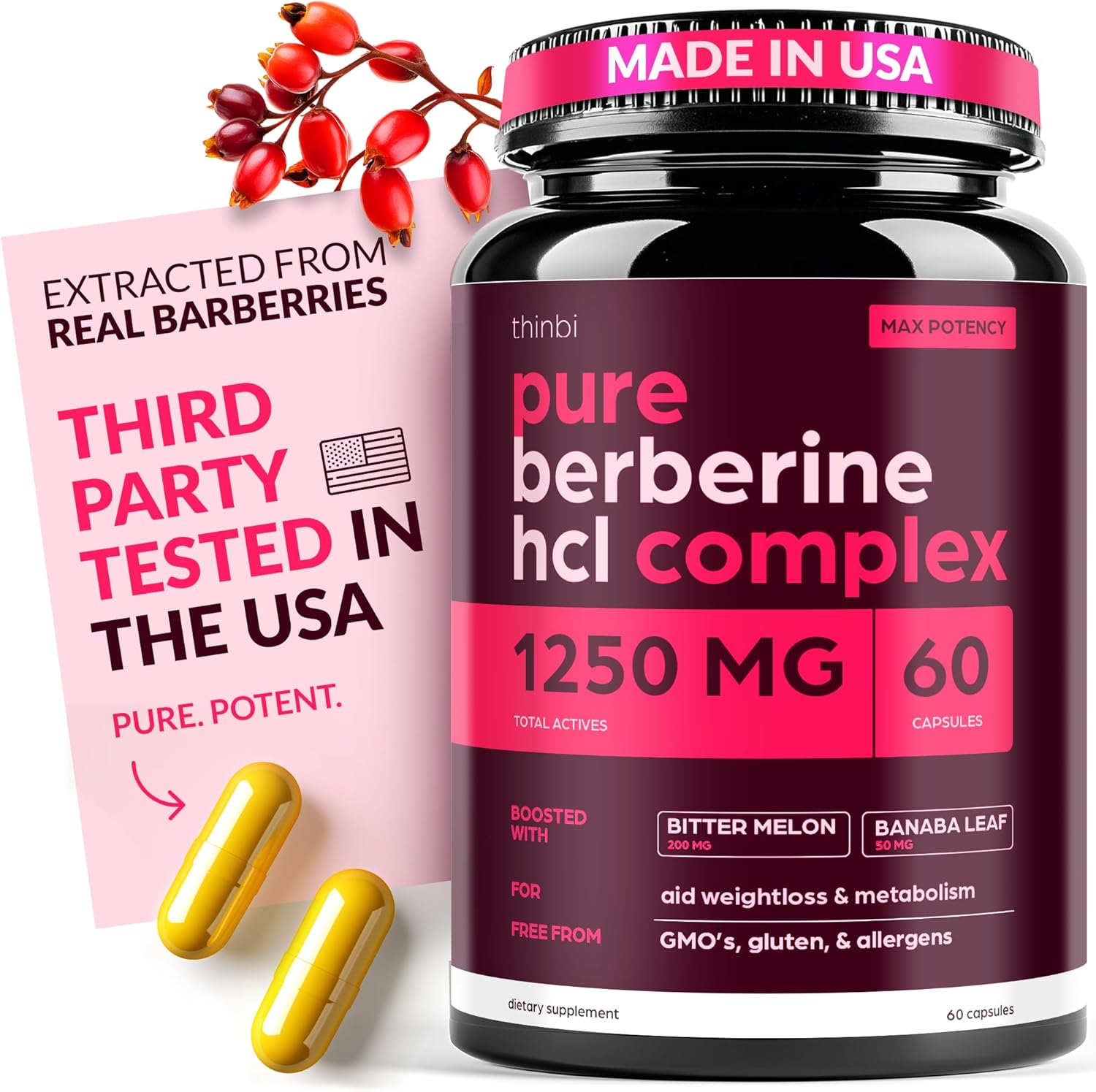
3. Berberine – The "Natural Ozempic"
Why It’s Trending
Berberine has been dubbed the "natural Ozempic" thanks to its potential to lower blood sugar and aid weight loss. It’s gained viral popularity on TikTok and Reddit, with users claiming it "melts belly fat" and "cures insulin resistance." But is it really as effective as prescription medications like Ozempic or metformin?
What the Science Says
Berberine is a compound found in several plants, including goldenseal, barberry, and tree turmeric. It activates an enzyme called AMPK (adenosine monophosphate-activated protein kinase), which plays a key role in metabolism and blood sugar regulation. Here’s what the research shows:
- Blood Sugar Control: A 2015 meta-analysis in Metabolism found that Berberine was as effective as metformin in lowering blood sugar levels in people with type 2 diabetes.
- Weight Loss: A 2020 study in Phytomedicine showed that Berberine helped overweight adults lose an average of 5 pounds in 12 weeks.
- Cholesterol: Berberine has been shown to lower LDL ("bad") cholesterol and triglycerides, making it a potential natural remedy for heart health.
Proven Benefits
Berberine’s benefits are backed by strong science, particularly for metabolic health:
- ✅ Lowers blood sugar levels, making it a great option for people with prediabetes or type 2 diabetes.
- ✅ May aid weight loss by improving insulin sensitivity and reducing fat storage.
- ✅ Lowers LDL cholesterol and triglycerides, supporting heart health.
Risks and Side Effects
Berberine is powerful, but it’s not without risks:
- ⚠️ Digestive upset, including cramping, diarrhea, and constipation.
- ⚠️ Drug interactions, particularly with medications for blood pressure, blood sugar, and antibiotics. Always consult a healthcare provider before combining Berberine with other medications.
- ⚠️ Not for long-term use. Berberine can disrupt gut bacteria if taken for extended periods. Limit use to 3 months at a time.
How to Use It
Berberine is typically taken in capsule or tablet form:
| Form | Dosage | Best For | Price Range |
|---|---|---|---|
| Capsules | 500 mg, 2–3x/day | Blood sugar control, weight loss | $20–$40 |
| Tablets | 500 mg, 2–3x/day | Convenience, on-the-go use | $15–$35 |
Best Time to Take: Before meals to maximize its blood sugar-lowering effects.
Best Brands: Thorne, Pure Encapsulations, and NOW Foods are reputable brands with high-quality Berberine supplements.
Featured Snippet: Is Berberine as Effective as Ozempic?
Answer: No, Berberine is not as potent as Ozempic, but it may help lower blood sugar similarly to metformin. It’s a natural alternative for people with prediabetes or mild type 2 diabetes.
People Also Ask
- Berberine dosage for weight loss: How much should I take?
For weight loss, take 500 mg, 2–3 times per day before meals. Combine it with a healthy diet and exercise for best results.
- Berberine vs. metformin for diabetes: Which is better?
Both Berberine and metformin are effective for lowering blood sugar, but metformin is a prescription medication with stronger effects. Berberine is a natural alternative for those who prefer to avoid pharmaceuticals.
- Can I take Berberine with blood pressure medication?
Berberine may interact with blood pressure medications, so it’s important to consult a healthcare provider before combining them.
Listicle: 5 Signs You Might Benefit from Berberine
- You have high fasting blood sugar (prediabetes or type 2 diabetes).
- You struggle with insulin resistance (e.g., PCOS).
- You have high LDL cholesterol or triglycerides.
- You’re looking for a natural weight loss aid.
- You want to improve gut health (Berberine has prebiotic effects).
4. Kratom (Mitragyna speciosa) – The Controversial Pain Reliever
Why It’s Trending
Kratom is one of the most controversial herbs on this list. It’s used for pain relief, opioid withdrawal, and energy, but it’s also associated with addiction, liver damage, and legal battles. Despite the risks, Kratom has a dedicated following, particularly among people seeking alternatives to prescription painkillers.
What the Science Says
Kratom contains compounds called mitragynine and 7-hydroxymitragynine, which interact with opioid receptors in the brain. Here’s what the research (and anecdotal reports) suggest:
- Pain Relief: Kratom may act as a mild opioid agonist, providing pain relief similar to codeine or tramadol. However, human studies are limited.
- Opioid Withdrawal: Some users report that Kratom helps ease withdrawal symptoms from opioids, but there’s no strong scientific evidence to support this.
- Energy and Focus: In low doses, Kratom acts as a stimulant, similar to caffeine. Users report increased energy, focus, and sociability.
Proven Benefits
Kratom’s benefits are mostly anecdotal, but some users report:
- ✅ Pain relief, particularly for chronic pain conditions.
- ✅ Energy and focus (in low doses).
- ✅ Potential aid for opioid withdrawal (though more research is needed).
Risks and Side Effects
Kratom is not without serious risks:
- ⚠️ Addiction and dependence. Kratom can be habit-forming, and withdrawal symptoms (e.g., anxiety, irritability, muscle aches) are common.
- ⚠️ Liver toxicity. There have been reports of liver damage in Kratom users, though it’s rare.
- ⚠️ Legal status varies. Kratom is banned in several states and countries, including Alabama, Arkansas, Indiana, Rhode Island, Vermont, and Wisconsin.
- ⚠️ Contamination risks. Kratom products are not regulated, so they may contain harmful additives or bacteria.
How to Use It
Kratom is available in several forms, but it’s important to approach it with caution:
| Form | Dosage | Best For | Price Range |
|---|---|---|---|
| Powder | 1–2 g (low dose), 3–5 g (high dose) | Pain relief, energy | $20–$50 |
| Capsules | 1–2 g (low dose), 3–5 g (high dose) | Convenience, on-the-go use | $25–$60 |
| Tea | 1–2 g (low dose), 3–5 g (high dose) | Relaxation, pain relief | $15–$40 |
Best Time to Take: Morning for energy (low dose) or evening for pain relief (high dose).
Best Brands: Kats Botanicals, Happy Hippo, and Gaia Ethnobotanical are known for their lab-tested Kratom products.
Featured Snippet: Is Kratom Legal in My State?
Answer: Kratom’s legal status varies by state. It’s banned in Alabama, Arkansas, Indiana, Rhode Island, Vermont, and Wisconsin. Check local laws before purchasing.
People Also Ask
- Kratom vs. CBD for pain: Which is better?
CBD is non-addictive and legal in most places, making it a safer option for pain relief. Kratom may provide stronger pain relief but comes with significant risks.
- How to quit Kratom safely?
Quitting Kratom can be challenging due to withdrawal symptoms. Gradually taper your dose and seek support from a healthcare provider or addiction specialist.
- Does Kratom show up on drug tests?
Standard drug tests do not screen for Kratom, but specialized tests can detect it. If you’re subject to drug testing, avoid Kratom.
Infographic: Kratom Effects by Dosage
Low Dose (1–2 g): Stimulant effects (energy, focus, sociability).
Moderate Dose (2–4 g): Balanced effects (mild pain relief, relaxation).
High Dose (5+ g): Sedative effects (strong pain relief, drowsiness).
5. Elderberry (Sambucus nigra) – The Immune-Boosting Berry
Why It’s Trending
Elderberry has been used for centuries as a natural remedy for colds and flu. In 2024, it’s trending again thanks to its antiviral properties and immune-boosting benefits. Elderberry syrup, gummies, and teas are popular choices for families looking to prevent illness naturally.
What the Science Says
Elderberry is rich in antioxidants and vitamins, including vitamin C and flavonoids. Here’s what the research shows:
- Cold and Flu: A 2016 study in Nutrients found that Elderberry reduced the duration of colds by 2 days on average. Another study in Journal of International Medical Research showed that it reduced flu symptoms by 3–4 days.
- Antiviral Properties: Elderberry has been shown to inhibit the replication of viruses, including influenza and coronaviruses.
- Safety: Elderberry is generally safe for most people, but raw berries are toxic and must be cooked before consumption.
Proven Benefits
Elderberry’s benefits are well-documented, making it a reliable choice for immune support:
- ✅ May shorten the duration of colds and flu.
- ✅ Rich in antioxidants, which support overall health.
- ✅ Safe for most people, including children (when used appropriately).
Risks and Side Effects
Elderberry is generally safe, but there are a few risks to be aware of:
- ⚠️ Raw berries are toxic. Always use cooked or processed Elderberry products.
- ⚠️ Digestive upset, such as nausea or diarrhea, in high doses.
- ⚠️ Allergic reactions, particularly in people with berry allergies.
How to Use It
Elderberry is available in several forms, including:
| Form | Dosage | Best For | Price Range |
|---|---|---|---|
| Syrup | 1–2 tbsp/day | Immune support, cold/flu prevention | $10–$25 |
| Gummies | 2–4 gummies/day | Kids or adults who dislike syrup | $15–$30 |
| Tea | 1–2 cups/day | Relaxation, immune support | $8–$20 |
| Capsules | 300–500 mg/day | Convenience, on-the-go use | $15–$30 |
Best Time to Take: At the first sign of illness or daily during cold and flu season.
Best Brands: Sambucol, Gaia Herbs, and Nature’s Way are trusted brands with high-quality Elderberry products.
Featured Snippet: How to Make Elderberry Syrup for Colds
Answer: Simmer 1 cup dried Elderberries + 3 cups water + 1 cinnamon stick + 1 tsp ginger + 1 cup honey for 30 minutes. Strain and store in the fridge for up to 2 weeks.
People Also Ask
- Elderberry vs. zinc for colds: Which is better?
Both Elderberry and zinc can reduce the duration of colds, but Elderberry has the added benefit of antiviral properties. Zinc is better for preventing colds.
- Can you take Elderberry daily?
Yes, Elderberry can be taken daily during cold and flu season, but it’s best to take breaks (e.g., 5 days on, 2 days off) to avoid digestive upset.
- Is Elderberry safe for kids?
Yes, Elderberry syrup is safe for kids over 1 year old. Always follow the dosage instructions on the product label.
How to Choose the Right Herbal Supplement for You
With so many herbal medicines on the market, how do you choose the right one for your needs? Here’s a step-by-step guide to help you make an informed decision.
Step 1: Identify Your Health Goals
Different herbs serve different purposes. Start by identifying your primary health goal:
- Cognitive function and memory: Lion’s Mane.
- Stress and sleep: Ashwagandha.
- Blood sugar control and weight loss: Berberine.
- Pain relief: Kratom (with caution).
- Immune support: Elderberry.
Step 2: Check for Quality and Safety
Not all herbal supplements are created equal. Here’s how to ensure you’re getting a high-quality product:
- Third-Party Testing: Look for supplements tested by USP, NSF, or ConsumerLab. These organizations verify the purity and potency of products.
- Standardized Extracts: Choose supplements with standardized extracts (e.g., "5% withanolides" for Ashwagandha). This ensures you’re getting a consistent dose of active compounds.
- Avoid Fillers: Steer clear of supplements with magnesium stearate, artificial colors, or unnecessary additives.
- Read Reviews: Check customer reviews on reputable websites to gauge the effectiveness and safety of the product.
Step 3: Start Low and Go Slow
Herbal medicines can be powerful, so it’s important to start with a low dose and monitor your body’s response:
- Begin with the lowest effective dose (e.g., 300 mg of Ashwagandha instead of 500 mg).
- Monitor for side effects, such as digestive upset, headaches, or allergic reactions.
- Give it time: Most herbs take 4–6 weeks to show noticeable effects. Don’t expect overnight results.
Step 4: Consult a Healthcare Provider
Herbal medicines can interact with medications and underlying health conditions. Always consult a healthcare provider before starting a new supplement, especially if you:
- Are pregnant or breastfeeding.
- Take prescription medications (e.g., blood thinners, antidepressants, blood pressure meds).
- Have chronic health conditions (e.g., diabetes, thyroid disorders, autoimmune diseases).
Safety Rating Table
| Herb | Best For | Dosage | Safety Rating (1–5) |
|---|---|---|---|
| Lion’s Mane | Brain fog, memory | 500–1000 mg/day | 4/5 |
| Ashwagandha | Stress, sleep | 300–500 mg/day | 4/5 |
| Berberine | Blood sugar, weight loss | 500 mg, 2–3x/day | 3/5 (drug interactions) |
| Kratom | Pain relief | 1–5 g/day | 2/5 (legal/health risks) |
| Elderberry | Immune support | 1–2 tbsp syrup/day | 5/5 |
Common Myths vs. Facts About Herbal Medicines
Herbal medicines are often surrounded by myths and misconceptions. Let’s debunk some of the most common ones:
Myth 1: "Natural = Safe"
Fact: Just because something is natural doesn’t mean it’s safe. Many herbs have side effects, drug interactions, and toxicity risks. For example, Kratom can be addictive, and raw Elderberries are toxic.
Myth 2: "More Is Better"
Fact: Taking high doses of herbal supplements can cause toxicity and adverse effects. For example, high doses of Berberine can cause severe digestive upset, and excessive Ashwagandha can lead to thyroid overstimulation.
Myth 3: "Herbs Work Overnight"
Fact: Most herbal medicines take 4–6 weeks to show noticeable effects. For example, Lion’s Mane for cognitive function and Ashwagandha for stress relief require consistent use over time.
Myth 4: "All Brands Are the Same"
Fact: The quality of herbal supplements varies widely. Some brands use fillers, artificial additives, or low-quality ingredients. Always choose third-party tested products from reputable brands.
Listicle: 5 Dangerous Herbal Medicine Myths Debunked
- "Herbal medicines are always safe because they’re natural."
- "Taking more herbs will give you faster results."
- "You don’t need to consult a doctor before taking herbs."
- "All herbal supplements are equally effective."
- "Herbs can replace prescription medications."
FAQs About Trending Herbal Medicines
Q1: Which herbal supplement is best for anxiety?
A: Ashwagandha has the strongest evidence for reducing anxiety. Other options include L-theanine, magnesium, and chamomile.
Q2: Can I take Lion’s Mane and Ashwagandha together?
A: Yes! Lion’s Mane supports cognitive function, while Ashwagandha helps with stress and sleep. They complement each other well.
Q3: Is Berberine safe for long-term use?
A: No. Berberine can disrupt gut bacteria if taken for extended periods. Limit use to 3 months at a time.
Q4: Does Kratom show up on drug tests?
A: Standard drug tests do not screen for Kratom, but specialized tests can detect it. Avoid Kratom if you’re subject to drug testing.
Q5: What’s the best Elderberry supplement for kids?
A: Sambucol Kids Syrup is a popular, alcohol-free option that’s safe for children over 1 year old.
Q6: Can I take Berberine with metformin?
A: Berberine and metformin both lower blood sugar, so combining them may cause hypoglycemia (low blood sugar). Consult a healthcare provider before combining them.
Q7: How long does it take for Ashwagandha to work?
A: Ashwagandha typically takes 4–6 weeks to show noticeable effects for stress and sleep.
Q8: Is Kratom addictive?
A: Yes. Kratom can be habit-forming, and withdrawal symptoms (e.g., anxiety, irritability, muscle aches) are common.
Q9: Can I take Elderberry daily?
A: Yes, but it’s best to take breaks (e.g., 5 days on, 2 days off) to avoid digestive upset.
Q10: What’s the best Lion’s Mane supplement for focus?
A: Four Sigmatic Lion’s Mane Elixir and Real Mushrooms Lion’s Mane Capsules are highly rated for cognitive benefits.
Q11: Is Berberine as effective as Ozempic?
A: No, but it may help lower blood sugar similarly to metformin. It’s not as potent as Ozempic.
Q12: Can I take Ashwagandha with antidepressants?
A: Ashwagandha may interact with SSRIs and other antidepressants. Consult a healthcare provider before combining them.
Q13: What’s the best time to take Lion’s Mane?
A: Morning or early afternoon, as it may be stimulating for some people.
Q14: Can I take Kratom for opioid withdrawal?
A: Some users report that Kratom helps with opioid withdrawal, but there’s no strong scientific evidence to support this. It’s also risky due to Kratom’s addiction potential.
Q15: Is Elderberry safe for pregnant women?
A: Elderberry is generally safe during pregnancy, but it’s best to consult a healthcare provider before using it.
The Future of Herbal Medicine: What’s Next?
The world of herbal medicine is evolving rapidly. Here are some trends to watch in the coming years:
Psychedelic Mushrooms for Mental Health
Psilocybin (found in "magic mushrooms") is being studied for its potential to treat depression, PTSD, and anxiety. While it’s not yet legal in most places, it’s gaining traction as a breakthrough therapy.
CBD + Herbal Blends
CBD is being combined with herbs like Ashwagandha, Turmeric, and Valerian Root to create powerful blends for sleep, pain, and anxiety. These combinations offer synergistic benefits.
Personalized Herbal Medicine
Advances in genetic testing and AI are paving the way for personalized herbal medicine. Soon, you may be able to take a DNA test to determine which herbs work best for your unique biology.
Regulation and Safety
As herbal medicines gain popularity, regulatory agencies like the FDA are cracking down on unsafe products. Expect stricter guidelines for Kratom, CBD, and other controversial herbs.
Infographic: The Next Big Herbal Trends (2025 Predictions)
- Psilocybin for depression and PTSD.
- CBD + herbal blends for sleep and pain.
- Personalized herbal medicine based on DNA.
- Stricter regulations for Kratom and CBD.
Final Thoughts: Should You Try These Herbs?
Herbal medicines can be powerful tools for improving health, managing stress, and supporting well-being. However, they’re not one-size-fits-all solutions. Here’s a recap of what you need to know:
Key Takeaways
- Start low and go slow: Begin with the lowest effective dose and monitor your body’s response.
- Check for drug interactions: Some herbs (e.g., Berberine, Kratom) can interact with medications.
- Look for third-party testing: Choose high-quality supplements from reputable brands.
- Don’t believe the hype: Not all viral trends are backed by science. Verify claims with research.
- Consult a healthcare provider: Especially if you’re pregnant, breastfeeding, or have chronic health conditions.
Ready to Try Herbal Medicine?
If you’re curious about herbal medicines, start with one herb and track your results. Here’s how:
- Choose an herb that aligns with your health goals (e.g., Ashwagandha for stress, Lion’s Mane for focus).
- Start with a low dose and monitor for side effects.
- Give it 4–6 weeks to see if it works for you.
- Consult a healthcare provider if you have any concerns.
Call to Action
- Download our free "Herbal Supplement Tracker" to monitor your progress.
- Book a consultation with our herbalist for personalized advice.
- Shop our top-rated supplements (affiliate links to high-quality products).
Medical Disclaimer: This article is for educational purposes only and is not intended as medical advice. Always consult a healthcare provider before starting any new supplement, especially if you’re pregnant, breastfeeding, or taking medications.


0 Comments